


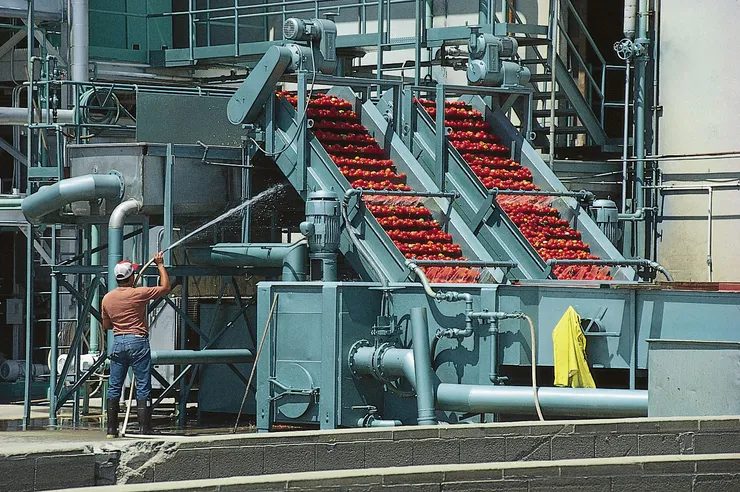
Food rots. That’s because of oxidation, bacteria, mold, and other microscopic organisms that love to turn grocery shopping into a science experiment if you’re not careful. Stopping this decay isn’t just about keeping things fresh; It’s all about safety and saving money. You can choose from methods used by our ancestors for centuries to high-tech industrial processes.
Old ways: salt, smoke and sun
Before electricity changed our lives, people had to be creative. The goal was always the same: to eliminate the conditions that microbes need to thrive.
Drying is one of the oldest tricks. By removing moisture, you starve the bacteria. Smoking does double duty. It dries the food and at the same time collects chemical compounds that act as natural antiseptics. Salting works in the same way by drawing water from the food through osmosis so that harmful organisms cannot survive.
Fermentation is another ancient technique. But it’s not just about conservation. It’s about controlled decay. Lactic acid bacteria take over and create an environment that harmful microbes hate. Pickling also falls into this category. You may have noticed that certain spices have long been used not only for their flavor but also because they naturally inhibit mold growth. Sugaring works on the same principle as salting – sugar binds water and makes it inaccessible to spoilage agents.
Modern tool set: cold, heat and chemistry
We have better tools now. The methods have become more scalable, more precise and heavily dependent on technology.
Cooling and freezing are most commonly used. Low temperatures slow down chemical reactions and bacterial growth. It doesn’t kill everything, but it puts the microbes to sleep.
Canning involves sealing and heating the food in an airtight container. This destroys the existing micro-organisms and prevents the entry of new micro-organisms. Pasteurization is a gentler heat treatment typically used on liquids such as milk and juice. It kills pathogens without changing the flavor profile as much as canning.
Then there are the more controversial modern methods. Irradiation uses ionizing radiation to kill bacteria and parasites. It is effective, although many consumers are still skeptical. Chemical preservatives are added to processed foods to extend their shelf life. These range from simple antioxidants that prevent rancidity to more complex compounds that inhibit the growth of yeast and mold.
Why it matters
The difference between traditional and modern methods is often in scope and practicality. You can dry an apple in your garden. You can’t easily pasteurize a can of milk at home without special equipment.
However, the basic principle has not changed. Whether you use salt or nitrogen flush, you’re fighting the same battle: keeping oxygen, moisture and microbes out of your food.
Which method works best depends on what you’re storing. Leafy greens? Cooling. Meat? Salt or smoke. Milk? Pasteurization. Making the right choice rarely comes down to preference alone. It’s about what the food needs to stay safe.
It is a mixture of art and science. Sometimes the simplest solution is the most effective. A jar of pickles sits on the shelf for months. A bag of frozen peas will sit in the freezer for a year. Both work. Both stop putrefaction.
It’s less about which method is better and more about what fits your lifestyle and resources