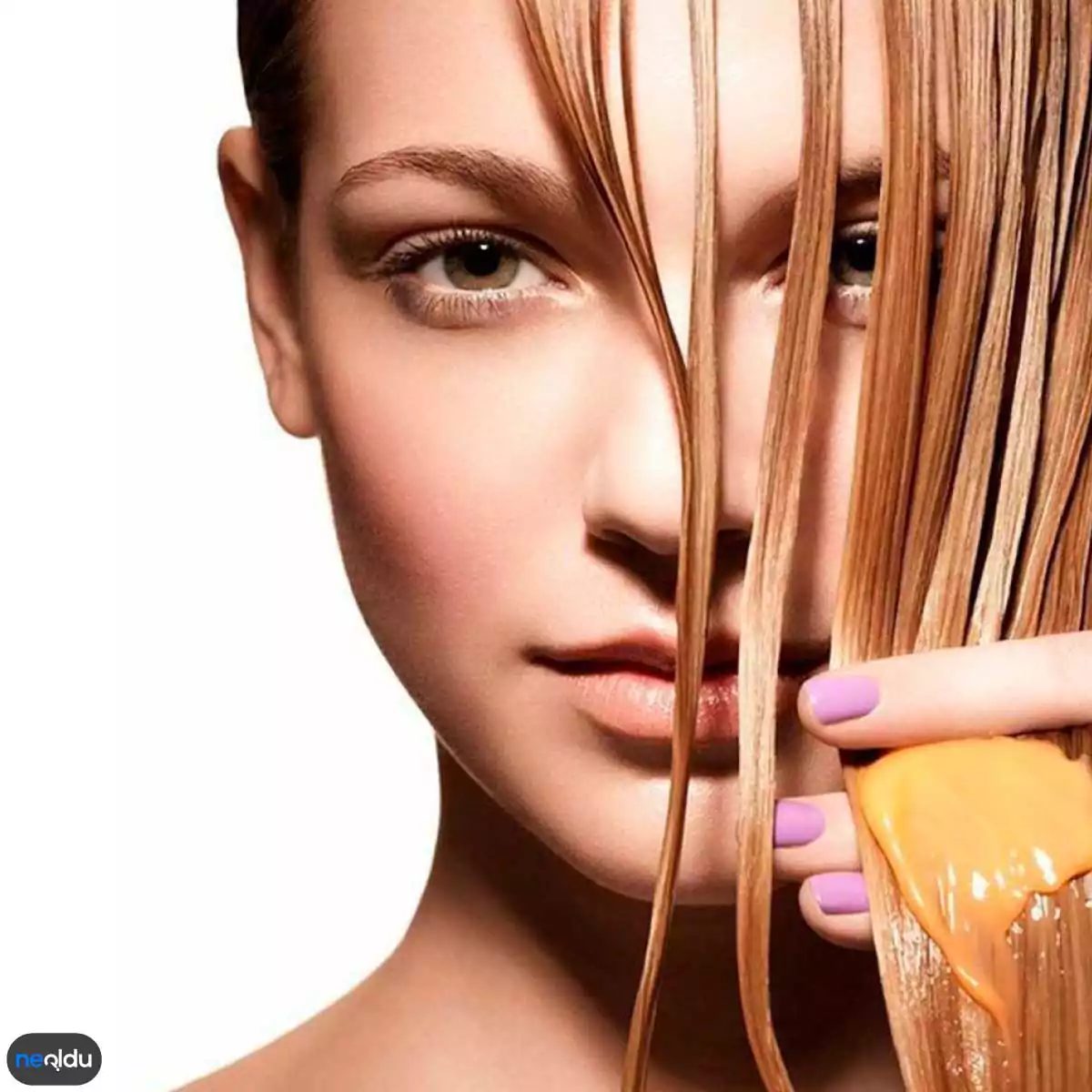
Just because the strands and sparse density doesn’t have to be a life sentence. If your hair lacks natural volume, you’re not alone. Many people with fine hair want their hair to look fuller, heavier, and more substantial. Good news? There are actual methods to help. We are talking about natural hair masks, mesotherapy and PRP treatments. These are not just buzzwords. These are practical steps. Let’s break down what actually works for thickening hair naturally.
Natural Hair Masks for Density
从你可以在家做的事情开始。 一个简单、富含营养的面膜就能发挥作用。 这是关于喂养卵泡。 想想迷迭香油、富含生物素的食物,甚至是不起眼的鸡蛋面膜等成分。 这些不是魔杖。 但它们提供了让头发变得更强壮所需的基石。 经常使用可以随着时间的推移改善质地。 在这里,一致性比完美更重要。
How to Use Natural Oils for Thicker Hair
You don’t need a salon to start seeing changes in your hair density. Natural oils have been used for centuries to restore volume, and the science backs up their ability to nourish the scalp and strengthen strands. The goal here is simple: give your follicles the nutrients they need to grow back thicker.
Which oils work best? Castor oil, almond oil, jojoba oil, coconut oil, and thyme oil are top contenders. Each brings something different to the table. Castor oil is thick and rich, making it great for coating the hair shaft. Almond oil is lighter and absorbs quickly. Jojoba mimics your skin’s natural sebum, which can help balance an oily scalp. Coconut oil penetrates the hair shaft to prevent protein loss, while thyme oil is known to stimulate circulation.
“Natural oils don’t just sit on the surface; they work to improve the health of the scalp, which is the foundation of volume.”
Here is the straightforward routine:
- Take a small amount of your chosen oil.
- Apply it directly to the scalp using gentle, circular massage motions. This stimulates blood flow, which is key for growth.
- Let it sit for about 30 minutes. You don’t need to leave it on overnight unless you prefer it that way.
- Rinse thoroughly with warm water. Use a mild shampoo if you need to remove the grease.
For best results, consistency matters more than intensity. Using a blend of almond oil and aloe vera mask regularly can soothe the scalp while adding moisture. Aloe vera adds slip and shine, making the oil easier to wash out. Stick to this routine a few times a week, and you might start seeing less shedding and more body within a month.
2. Mezoterapi and PRP Treatment
If natural methods aren’t delivering the speed you want, clinical interventions like mesotherapy and PRP (Platelet-Rich Plasma) therapy are the next step up. These are not DIY projects. They involve professional treatments designed to target hair loss at a deeper level.
Mesotherapy involves injecting vitamins, minerals, and medications directly into the scalp. It’s like a vitamin shot for your hair follicles. PRP is slightly more complex. Your blood is drawn, spun in a centrifuge to separate the plasma, and then injected back into your scalp. The idea is to use your own growth factors to stimulate dormant follicles.
These treatments are often combined for maximum effect. Where natural oils provide surface nourishment, mesotherapy and PRP work on the cellular level. They are more expensive and require a series of sessions, but for many, the return on investment is visible density that shampoo alone cannot achieve.
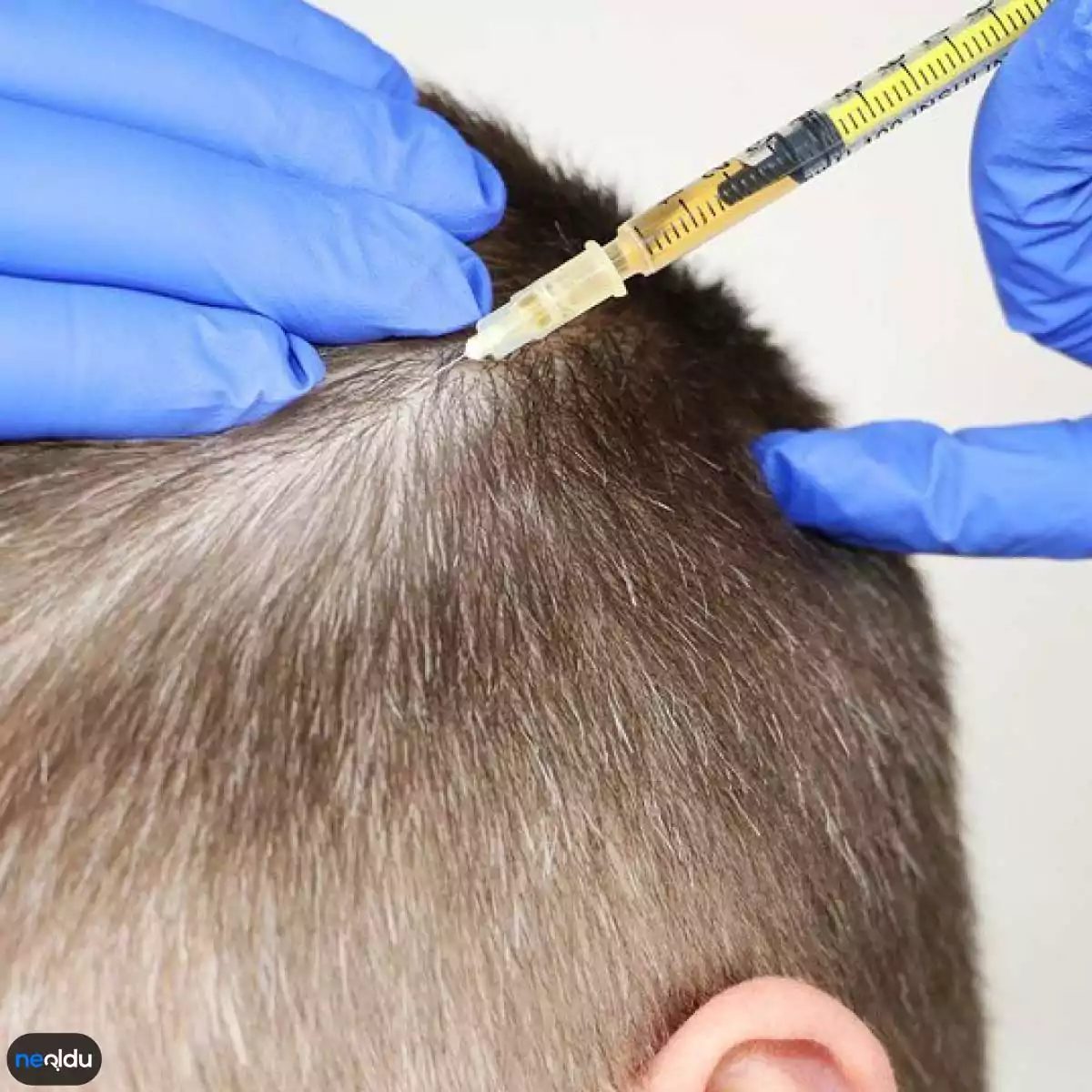
Technology has changed the situation for people who suffer from hair loss or thinning hair. It is no longer based on mere hope and a good shampoo. Mesotherapy and PRP (platelet-rich plasma) offer a reliable solution that offers a clinical precision that is often not achieved by home treatments. This is how it works in practice.
中胚层疗法:滋养毛囊
将中胚层疗法视为一种有针对性的营养输送系统。 目标很简单:将矿物质、维生素和蛋白质直接输送到发根急需的头皮中。
该过程使用细针注射。 这听起来很强烈,但大多数患者报告几乎无痛。 您坐下来,放松,让溶液渗入真皮。 结果呢? 更强韧的发干和更健康的发根。 它不是治疗秃头的灵丹妙药,但它是一种强大的强化工具。
“中胚层疗法通过将必需的营养物质直接输送到毛囊,从内到外强化头发。”
PRP therapy: Harnessing your own biology
PRP takes a different route. It does not add external chemicals but instead uses the body’s own healing mechanisms. A small amount of blood is taken and centrifuged in a centrifuge. What remains is plasma, which contains plenty of platelets and growth factors.
Concentrated plasma is injected into the scalp. The goal is to start blood circulation around the hair follicle. Better blood circulation allows oxygen and nutrients to reach the roots. Over time, your hair will look fuller and thicker. This is a natural way of using the body’s own repair systems to stimulate growth.
3. Apple cider vinegar
Although medical treatment is aimed at the root treatment, some people use pantry staples for maintenance. Apple cider vinegar (ACV) is a popular DIY scalp treatment. Its purpose is to balance the pH value of the scalp and remove product build-up that weighs on your hair.
Mix a small amount of raw, unfiltered apple cider vinegar with water. After shampooing, apply it all over the scalp and hair. Leave on for a few minutes and then rinse thoroughly. The acidity helps close the hair cuticles, making it smoother and shinier. It doesn’t stop genetic hair loss cannot be stopped, you can improve the overall health and appearance of your hair. For many people, this is an affordable and low-risk addition to their daily routine.
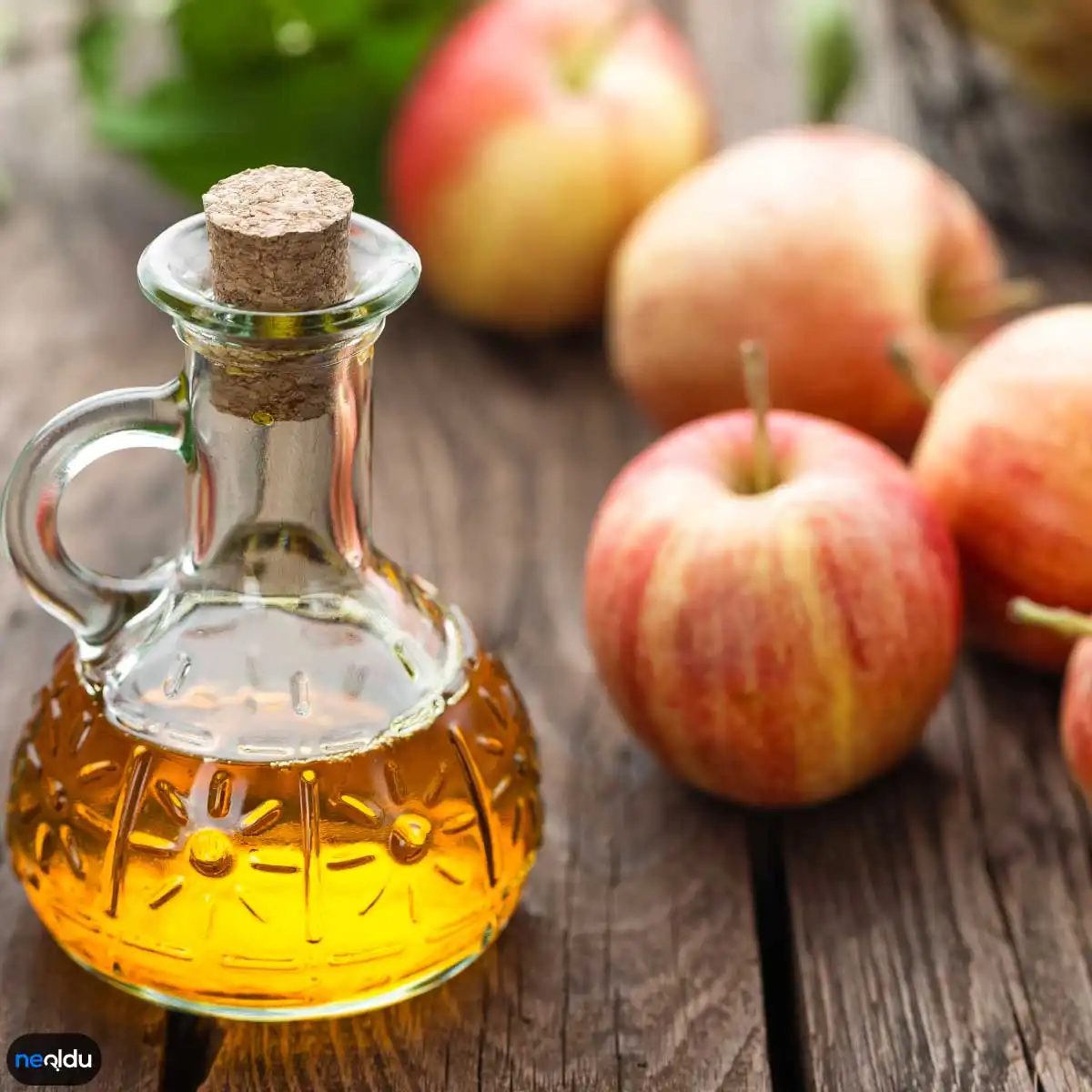
It sounds gross to pour something that smells like salad dressing on your scalp, but apple cider vinegar has a legitimate role in hair loss. The core mechanism is simple: it improves blood circulation in the hair follicles. Better flow means more nutrients reach the roots, which can help reduce shedding over time.
Why apple cider vinegar prevents hair loss
Most commercial shampoos leave a potent residue that can clog follicles. Apple cider vinegar works as a clarifying agent. It balances the pH of the scalp and creates an environment where hair can grow rather than break off. When you apply and massage the diluted solution, you physically stimulate blood circulation and clearing the path for growth at the same time.
Here’s a practical way to use it without ruining your hair’s texture:
- Dilute it first. Never use pure vinegar. Mix one part apple cider vinegar with three to four parts water. Higher concentrations can irritate sensitive skin.
- ** Rub it in.** Pour the mixture on your scalp and rub it in with your fingertips. This mechanical action further increases blood flow.
- Rinse thoroughly. Leave it on for a few minutes and then wash it off. You will immediately notice shine and more volume as the cuticles smooth out.
The result is fuller hair. Not because new hair sprouts right away, but because the current hair is cleaner, lighter and less prone to breakage. It’s a maintenance step, not a panacea, but it sets the stage for the what comes next.
4. Onion, lemon and garlic
If apple cider vinegar is a gentle cleanser, these three ingredients are powerful. They are old-fashioned remedies based on high concentrations of sulfur and antioxidants.
Sulfur is a building block for keratin, the protein that makes up your hair. Onions and garlic are sulfur bombs. Lemon adds vitamin C, which supports collagen production and helps the body absorb iron. Combined, they attack hair loss from multiple angles.
The Onion Approach
Onion juice is perhaps the most researched home remedy for patchy hair loss (alopecia areata). A small study showed that participants who applied raw onion juice twice a day experienced significant hair growth after six weeks. Sulfur increases collagen production, while antioxidants fight against oxidative stress in the follicles.
- Extract the juice of the chopped onion with a blender or grater.
- Apply the liquid directly to the affected areas.
- Leave it on for 15-30 minutes.
- Wash with a mild shampoo. The smell is pungent, so you usually need to shampoo twice.
Garlic and lemon synergy
Garlic contains allicin, which has antimicrobial properties. If your hair loss is related to scalp infections or dandruff, garlic can help eliminate the underlying problem. The acidity of the lemon helps to balance the pH of the scalp and prevent the greasiness that often attracts dirt and bacteria.
Mix crushed garlic paste with a few drops of lemon juice. Apply it on the scalp, wait 20 minutes and rinse. The combination is potent. It stings slightly if you have open scratches, so test a small patch first.
Why This Combo Works
These ingredients do
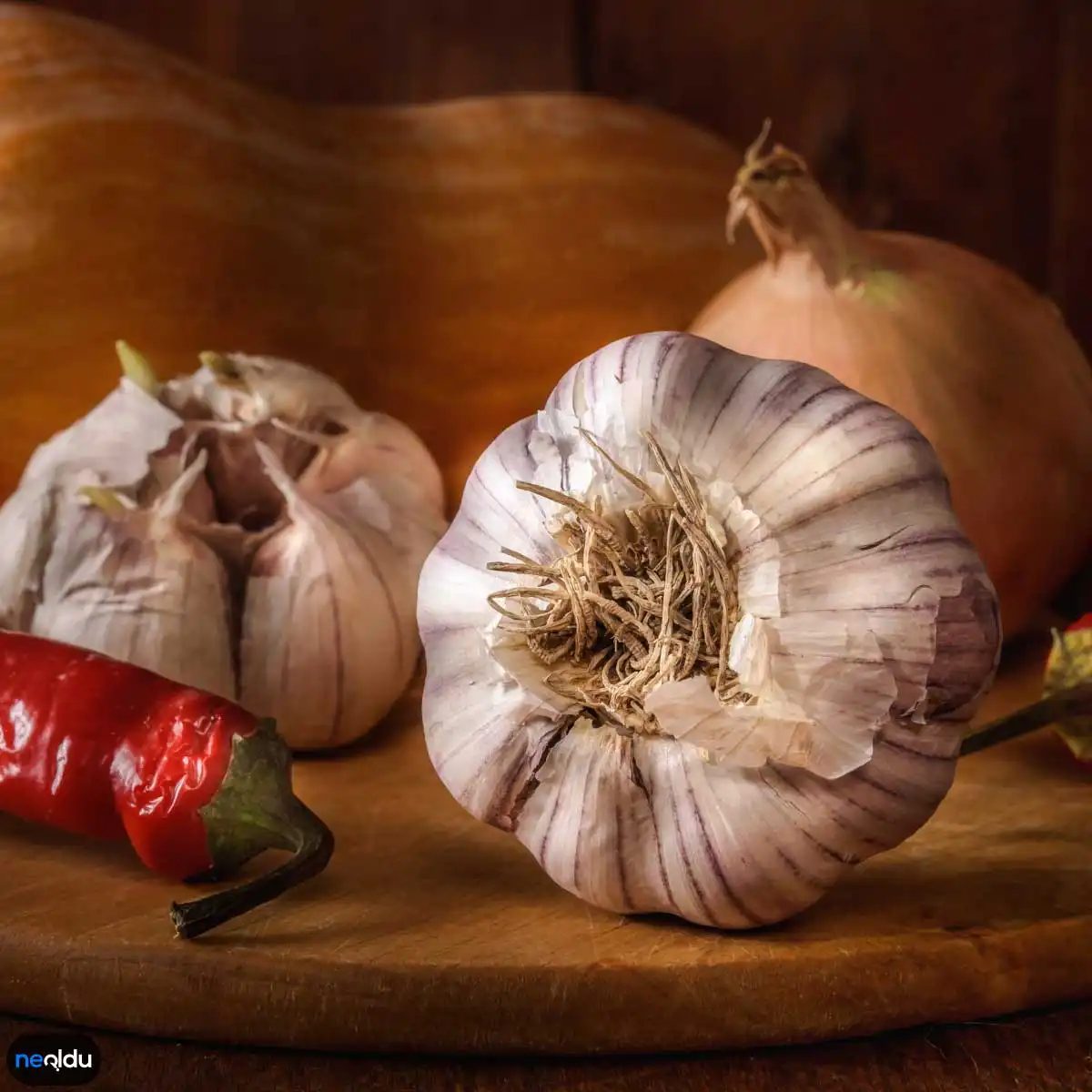
Why Onion and Garlic Work Wonders
Onion and garlic juice do more than just smell strong; they actively strengthen hair strands and add visible volume. The sulfur content helps boost collagen production, which is essential for healthy growth.
Here is the straightforward method:
- Take fresh onion or garlic juice.
- Massage it into your scalp for about 10 minutes.
- Wash your hair thoroughly with shampoo to remove the odor.
It’s not the most pleasant experience, but the results for thickness and strength are often worth the temporary scent.
Aloe Vera
How to Use Aloe Vera Gel for Hair
Aloe vera is a gentle hydrator that soothes the scalp without weighing hair down. It’s particularly useful if you deal with dryness or itchiness.
- Extract fresh gel from an aloe leaf or use pure store-bought gel.
- Apply it directly to your scalp and hair lengths.
- Leave it on for 20–30 minutes.
- Rinse with cool water.
The enzymes in aloe vera also help break down dead skin cells on the scalp, keeping follicles clear.
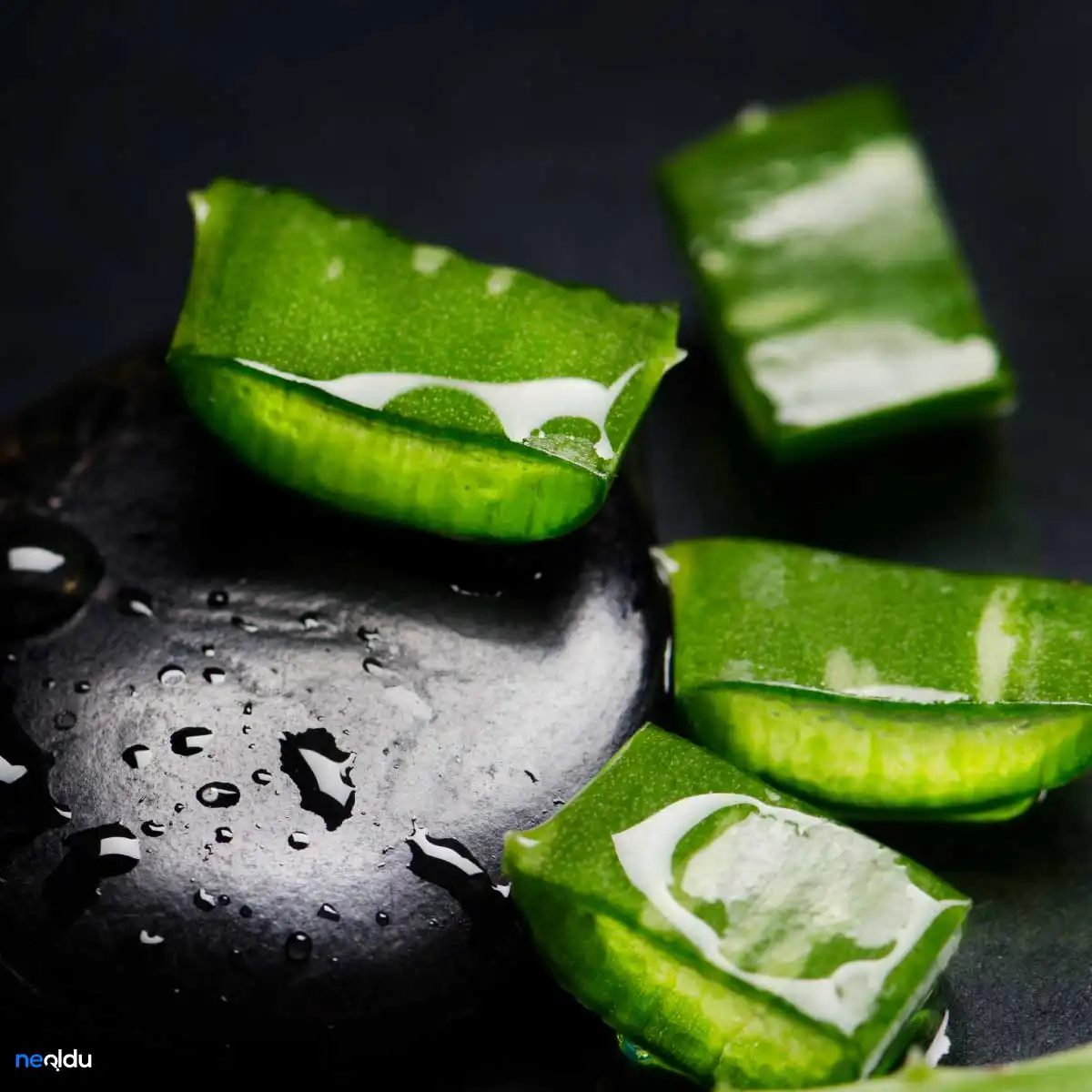
Aloe vera certainly has its place. It strengthens strands and adds shine. Massage the gel into the scalp. Wait thirty minutes. Rinse off with lukewarm water. Simple.
But what happens when your hair needs more than surface moisture?
6. coconut oil
Coconut oil is a different matter. It doesn’t just sit on top. It penetrates the hair shaft. This is why it often ranks higher in the discussion of natural hair treatments for dryness. Medium-chain fatty acids bind to hair proteins. They prevent protein loss. This is the “why” behind the shine.
Use virgin coconut oil. Solid at room temperature. Melt it in your hands. Apply from mid-lengths to ends. The roots can get greasy if you overdo it. If possible, leave overnight. Or at least an hour. Wash it thoroughly with shampoo. You may need to shampoo twice to remove the oil.
How does it compare to aloe vera? Aloe soothes the scalp. Coconut oil repairs the structure. Use them at different times. Or layer them if your hair is very damaged. But don’t expect miracles overnight. Consistency is more important than a specific ingredient.
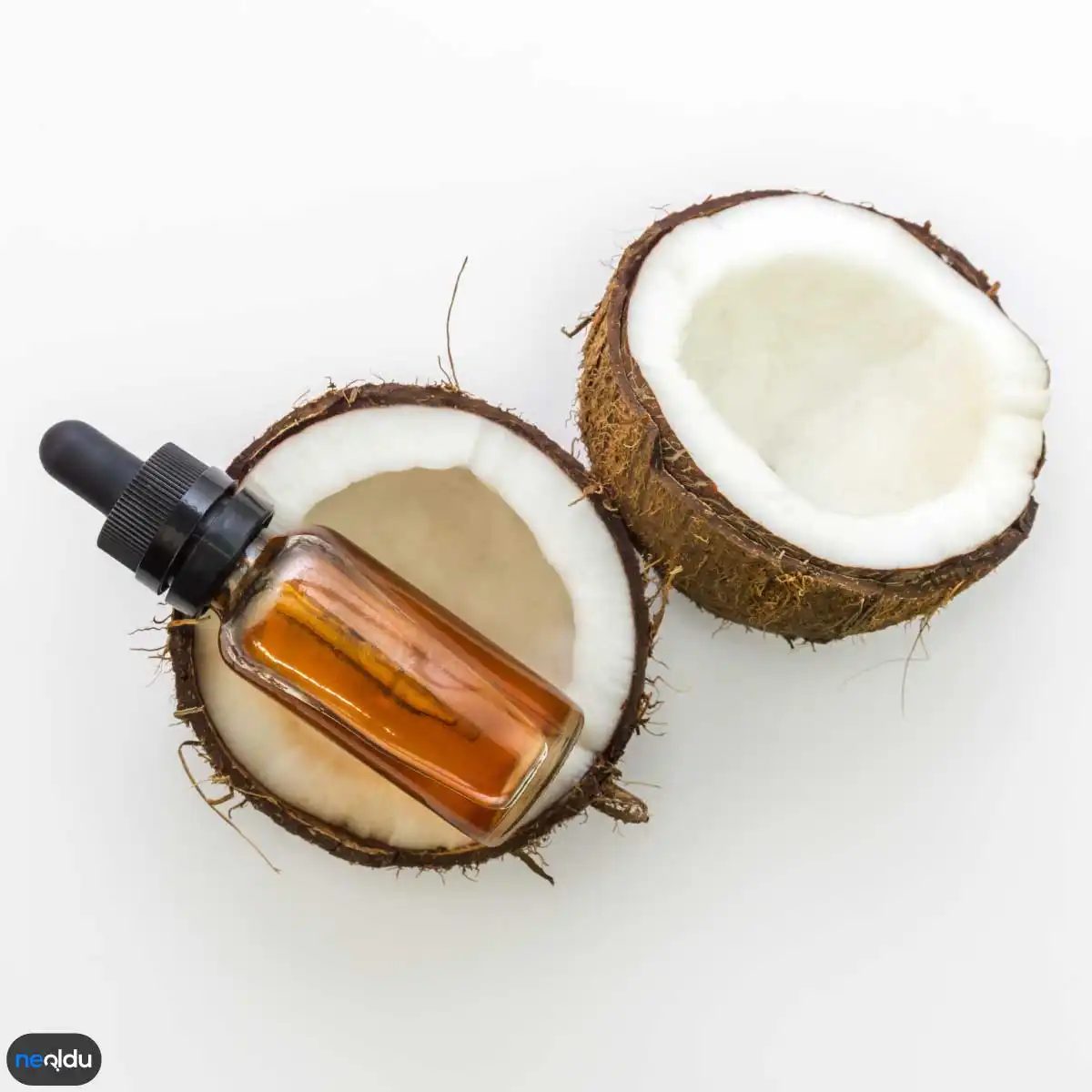
Coconut oil is often considered a miracle hair care product, and for good reason. It penetrates the hair shaft to prevent protein loss, effectively stop hair breakage and strengthen hair strands from the inside out. When used regularly, it adds noticeable body and volume and transforms limp locks into something with real substance.
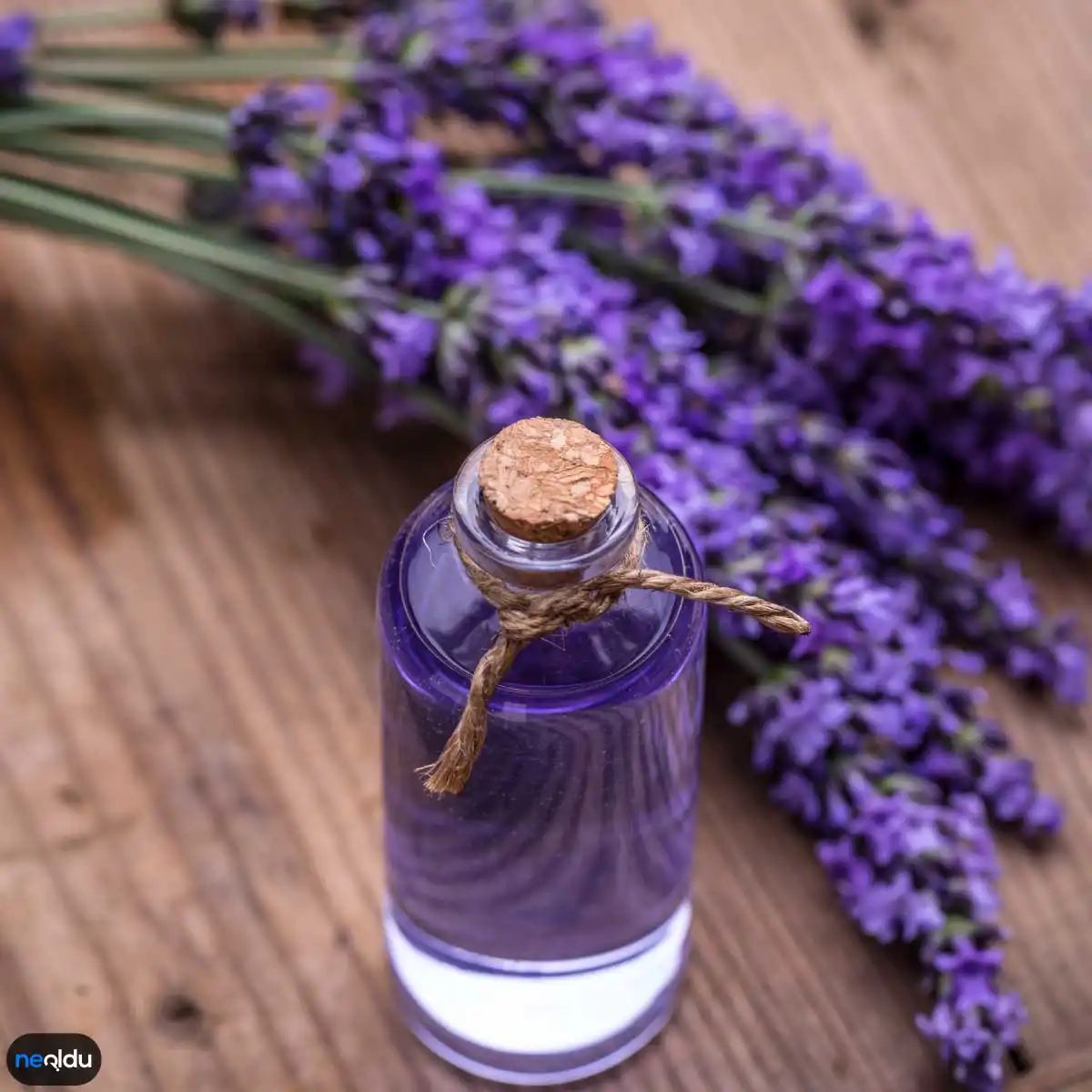
Why lavender oil deserves a place in your routine
If coconut oil is a moisturizer, lavender oil is a stimulator. Although it doesn’t moisturize as much as coconut, its role is distinctly different – and just as important for anyone struggling with thinning hair.
The main benefit of lavender oil is its ability to promote blood circulation. When you rub it into your scalp, you practically wake up dormant follicles. Increased circulation means more oxygen and nutrients reach the hair roots, creating a healthier growth environment.
Studies have even shown that lavender oil can be effective against alopecia areata, a condition that causes patchy hair loss. A 2016 study found that participants who used a mixture containing lavender oil experienced significantly more hair growth than participants who used a placebo carrier oil. It’s not just about the scent; it’s about cellular activity.
How to use it for maximum effect
You don’t apply lavender oil directly to your skin, and you shouldn’t apply it directly to your scalp either. It is too strong and can cause irritation or allergic reactions if not diluted.
- Dilution is key: Mix a few drops of lavender essential oil with a carrier oil such as jojoba, argan, or the aforementioned coconut oil. A safe ratio is usually about 3-5 drops of essential oil per tablespoon of carrier oil.
- ** Scalp massage:** Apply the mixture directly to the scalp. Massage with circular movements with your fingertips for at least five minutes. This mechanical effect further promotes blood circulation and works together with the properties of the oil.
- Frequency: Aim for once or twice a week. Leave it on for at least 30 minutes, or overnight if you can tolerate the smell, before washing it off with a mild shampoo.
The scent factor is not just about aesthetics
Let’s be honest. One of the biggest benefits of lavender oil is its scent. But this is not just luxury; It’s a functional advantage for many modern women who have to juggle stress.
Stress is a well-documented trigger for telogen effluvium, a temporary hair loss caused by excessive shedding. Lavender is widely known for its calming properties. By incorporating it into your self-care routine, you’re addressing both the physiological and psychological aspects of hair health. A relaxing scalp massage with lavender can lower cortisol levels, which may reduce stress-related hair loss.
Which oil is suitable for your hair type?
Choosing between coconut and lavender (or other oils) depends on your specific needs.
- Dry, coarse or damaged hair: Coconut oil is probably the best choice for deep conditioning and preventing hair breakage.
- Fine hair: Coconut oil can sometimes be too heavy and weigh down the hair. When lavender oil is applied to the scalp and washed off, it leaves less residue behind.
- Sensitive scalp: Always test essential oils first. Lavender is generally well tolerated, but individual reactions vary. If you have eczema
8. Beets
Lavender oil doesn’t just smell soothing. It actively fights hair loss. It also supports the growth of new hair follicles.
How is it used? Rub it into your scalp several times a week.
But let’s talk about beets.
You can think of them as a side dish. Or a juice cleansing ingredient. They are so much more.
Beets contain a lot of nitrates. These nitrates support blood circulation. Good blood circulation means more nutrients reach your hair roots.
Think about it.
Hair follicles need oxygen. They need iron. They need vitamins. When your blood circulation is slow, your hair suffers.
Beets improve circulation.
They also contain biotin. Little known fact: Biotin is key to keratin production. Keratin is the protein that makes up hair.
You can eat them. Roast them. Blend them into a smoothie. Or try a beetroot hair mask.
Mix beet juice with coconut oil. Apply it on the scalp. Leave it on for thirty minutes. Wash.
Your hair will thank you.
Not as loud as it should be. But it will.
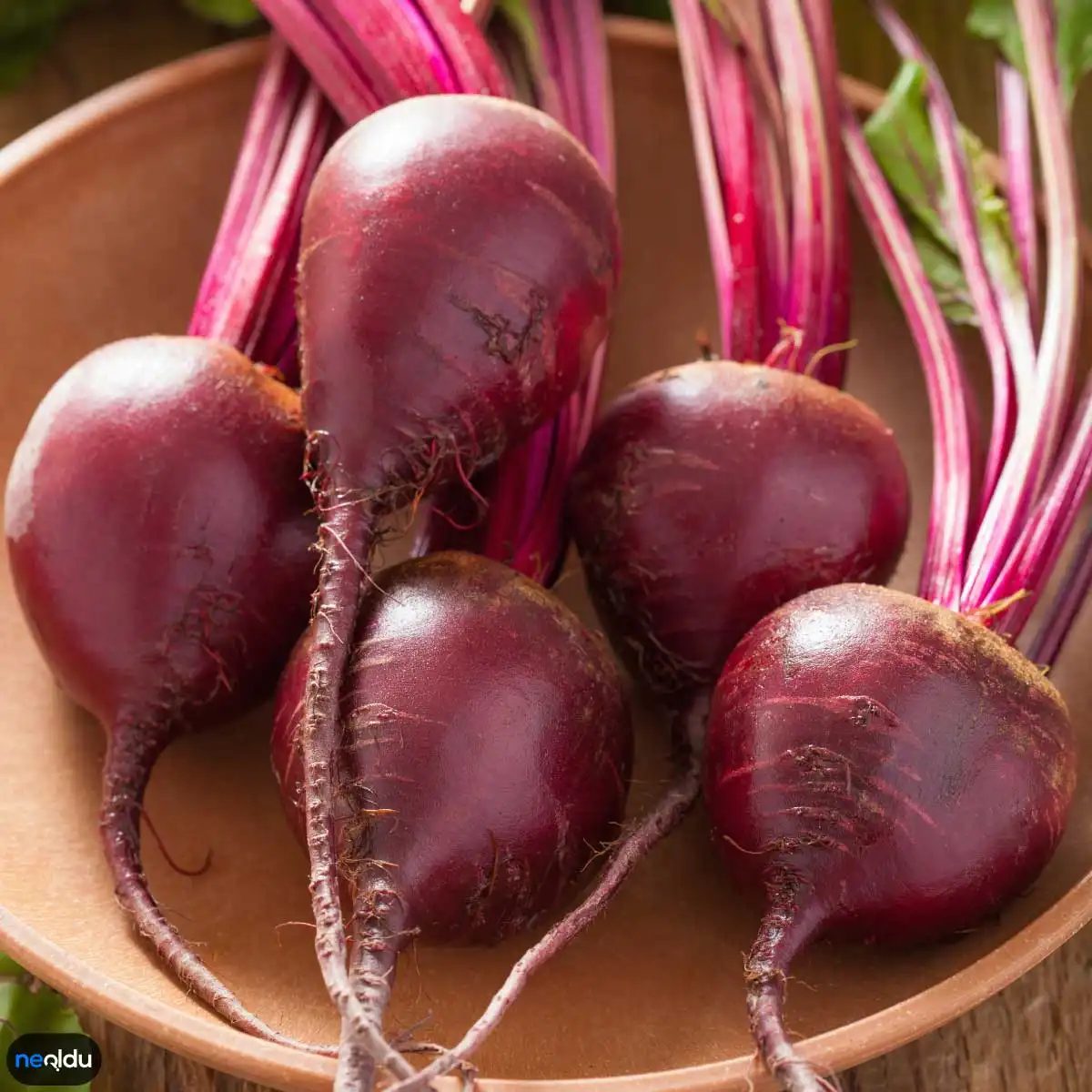

甜菜根汁:头发健康的天然促进剂
甜菜根汁不仅仅用于沙拉或冰沙。 它也是您头发的强大动力。 经常使用可以帮助减少头发脱落并增加头发光泽。 尝试每周使用两到三次。 您可能会看到强度和光泽上的差异。
Treatments to Try for Hair Loss
If you are suffering from hair loss or thinning, there are several options to consider. Natural remedies work for many people. Professional treatments such as mesotherapy and PRP (platelet-rich plasma) are also effective options. They target hair loss at a deeper level.
如何使头发浓密
从你能控制的开始。 饮食很重要。 吃足够的蛋白质、铁和维生素。 这些营养素从内到外促进头发生长。 与持续的护理相结合。 避免粗暴的造型。 梳理时动作要轻柔。
何时寻求专业帮助
如果自然方法还不够,请毫不犹豫地咨询专家。 皮肤科医生或毛发学家可以评估您的头皮并推荐有针对性的治疗方法。 有些人需要的不仅仅是家庭疗法。 没关系。 寻求帮助是该过程的一部分。
The Right Steps for Thicker Hair
- Assess your current routine – Are you using products that strip away natural oils?
- Consider professional treatments – Mesotherapy or PRP can stimulate growth.
- Support your hair from the inside – Focus on a balanced diet rich in essential nutrients.
- Be patient – Hair growth takes time. Consistency is key.
There is no single solution to hair loss. However, with proper care, nutrition and sometimes professional guidance, you can improve the health and volume of your hair. Start small. Stick with it. Results follow.