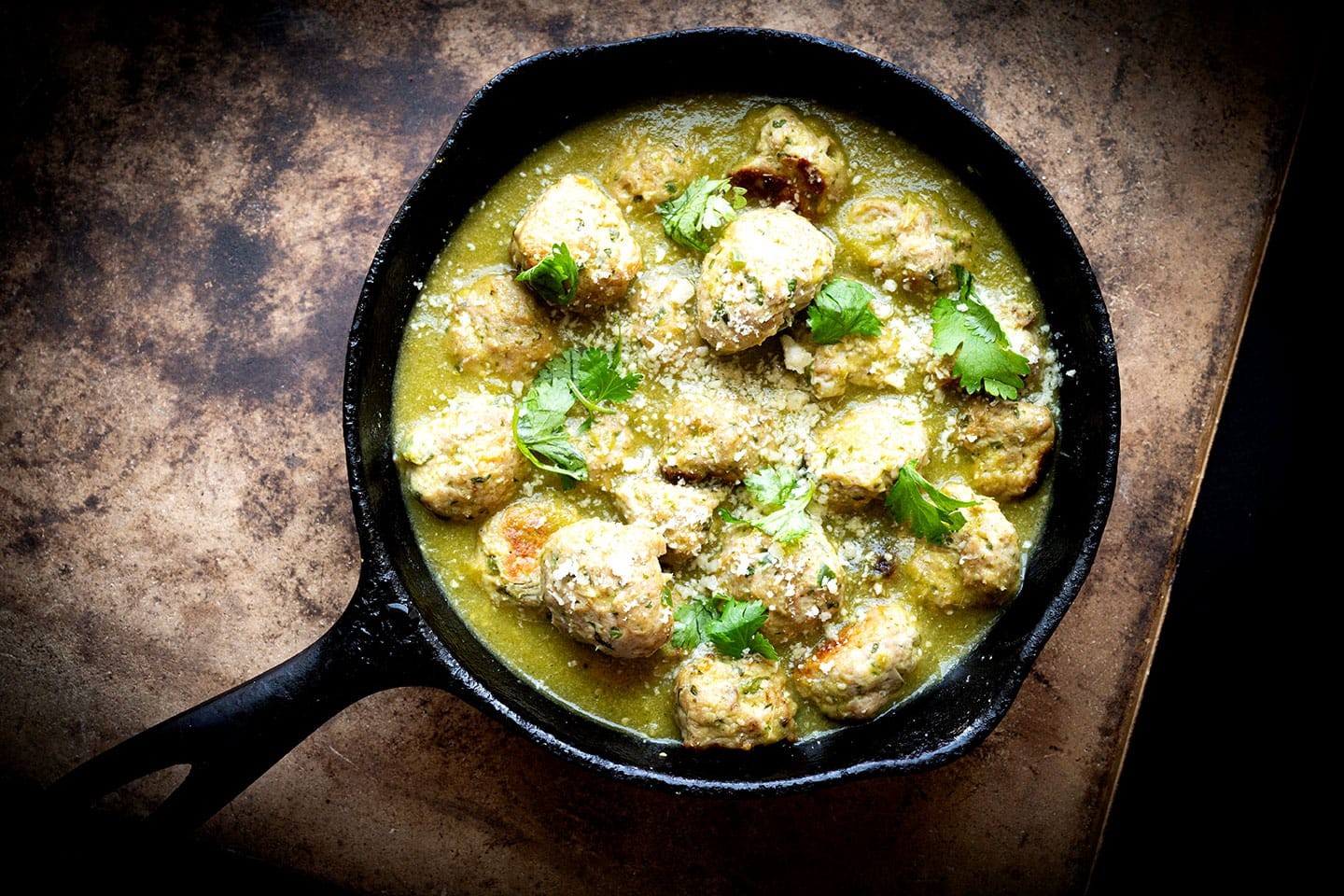
The question of how to adapt classic Italian meatballs to Texan flavors has lingered. The idea, sparked by a friend’s curiosity, highlights a broader trend: the fusion of global cuisines with regional American tastes. While specific recipes vary, the underlying principle is simple: take a familiar base and infuse it with local ingredients and techniques.
The Core of a Meatball
Traditionally, meatballs begin with ground meat—beef, pork, veal, or a blend—combined with seasonings, herbs, and aromatics. This base can be adapted to suit a range of palates. For a Texan twist, consider swapping beef for turkey and incorporating flavors like salsa verde, a staple in many Latin American and Tex-Mex kitchens.
Why This Matters
This isn’t just about cooking; it’s about cultural exchange. As global travel and immigration increase, so does the desire for hybrid cuisines. Texan food, known for its bold flavors and hearty portions, is naturally suited for this kind of fusion. The challenge lies in balancing authenticity with innovation.
The original article is behind a paywall, but this is a common model for content creators who want to sustain their work. Subscriptions allow for independent journalism and creative projects to flourish without relying on advertising revenue.
A Culinary Experiment
Adapting an Italian meatball recipe to Texan flavors isn’t about replacing tradition; it’s about adding a new layer. The goal is to create something that feels both familiar and exciting, honoring the roots of the dish while embracing regional ingredients.
Ultimately, the success of this fusion lies in finding the right balance. Too much adaptation, and the original character is lost. Too little, and the Texan twist feels forced.
The beauty of this approach is that there are no rules. Experimentation is key to unlocking new flavors and textures. Whether it’s a touch of chili powder, a drizzle of hot sauce, or a generous helping of salsa verde, the possibilities are endless.