Strength isn’t about maxing out. It’s about getting up in the morning without groaning.
We chase lifts, but the goal isn’t just to bench press a car. It is to build movement that actually supports you for a life that lasts. Functional exercise. It sounds boring. It’s not. It’s how you stay mobile, resilient, and strong when the calendar turns pages you can’t flip back.
Aimee Victoria Long gets it. She runs a training floor in London, sees everyone from the tired to the terrified. These moves? They hit multiple muscles, multiple planes of motion. “Full-body coordination,” she says, “balance and strength.” Not just for the mirror. For the long game. “Holistic readiness for long-term functional fitness.” You get it? You get it.
Here are four moves that actually matter.
1. Single‑Leg Standing Balance
30 seconds. Per side.
Simple. Hard. Long calls it essential for “preventing falls.” Big words, but think about it. Can you stand on one leg for a minute? If not, you’re at risk.
This isn’t just balance. It’s neuromuscular coordination. Core. Ankle. Hip. All firing together to keep you upright as the decades stack up.
- Feet hip-width. Hands on hips.
- Lift one leg. Bend the knee.
- Keep the standing leg soft, not locked.
- Stare at one point on the wall.
Easy? Try not shaking.
2. The Turkish Get-Up
4 reps. Per side.
Slow. Deliberate.
Joseph Webb has trained CEOs for 20 years. He sees people who think money buys time. It doesn’t. The get-up mimics real life. Getting out of bed. Reaching for a mug on the top shelf. Standing up from the kitchen floor when you dropped a phone.
Essential stuff.
“If you can still do it smoothly into our later years, you’re aging well.”
It hits the shoulder, the core, the legs, the coordination.
- Lie flat. Arm up. Knee bent, foot down.
- Press into elbow. Sit up.
- Hips lift. Leg sweeps under into a lunge.
- Stand. Arm still pointing at the sky.
- Come back down. Don’t flop.
Webb says doing both sides equally? That’s the real marker of functional strength.
3. The High Plank
60 seconds. The “magic minute.”
Looks easy. Feels like a torture device.
It works shoulders. Arms. Core. Glutes. Hips. Legs. Everything.
Webb calls it foundational for longevity. It tests total-body control. If your form breaks, your stabilizers failed. You want stable. You want to prevent injury. A plank tells you if your body actually has integrity or if it’s just flailing.
- Hands under shoulders. Straight line from head to heels.
- Tuck tailbone slightly.
- Engage core. Glutes. Legs.
- Breathe. Don’t hold your breath. Panic sets in if you hold.
Do you really have a straight line? Check yourself in the mirror. Probably not.
4. Single-Leg Romanian Deadlift
6–10 reps. With control.
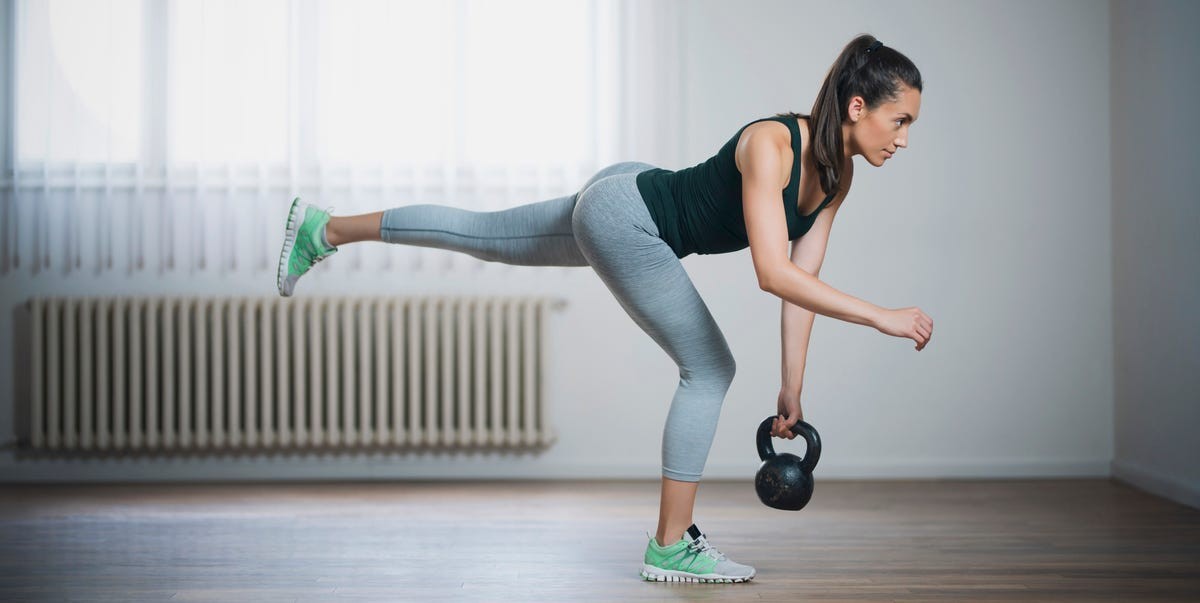
Most people squat. They don’t hinge. Long points to the posterior chain—glutes, hamstrings, calves, the muscles in your back that keep you upright. This builds symmetry. It fixes the left-right imbalances we all have because we favor one side in daily life.
Unilateral work. One leg only.
- Stand on one foot. Hold weight, or just balance.
- Hinge at hips. Keep back flat.
- Reach back with the free leg.
- Chest drops. Hamstrings pull.
- Return to standing.
It looks awkward. That’s because it targets what you ignore.
Why bother?
Because in ten years, you won’t care how heavy your deadlift is. You’ll care if you can pick up your grandkids without throwing your back out. Or if you can reach for keys on the counter. Or just get out of bed without feeling like the earth has shifted.
Strength fades if it isn’t functional. Mobility leaves if you don’t use it.
Pick one of these. Do it tomorrow.