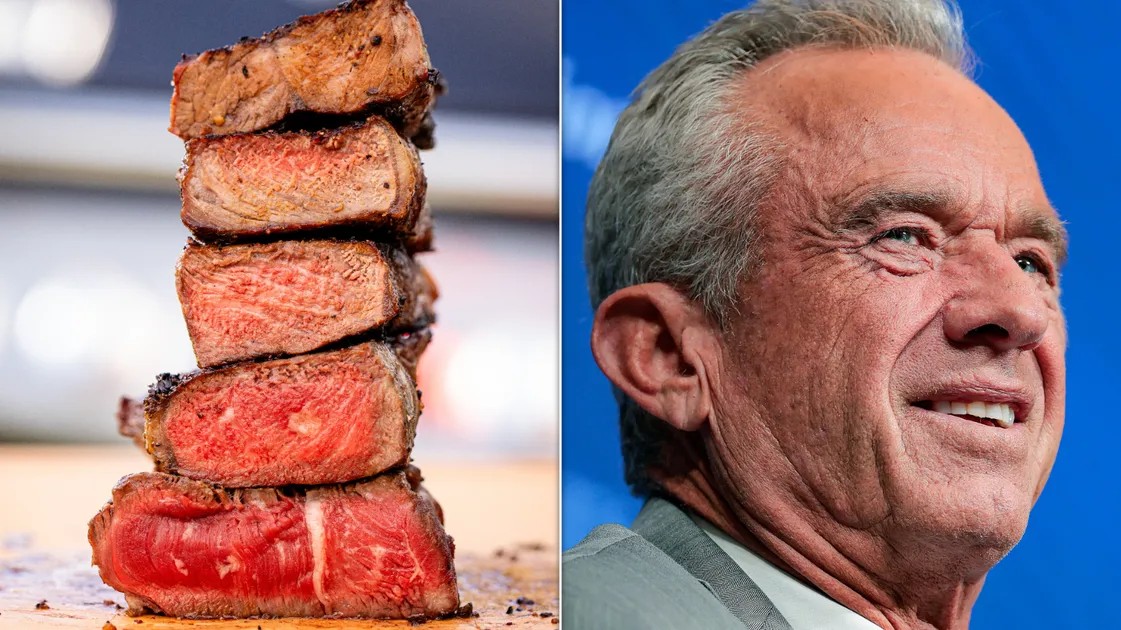
The recent stunt by Robert F. Kennedy Jr. – flaunting steak, shirtless workouts, and whole milk alongside musician Kid Rock – wasn’t just an odd internet moment. It highlighted a deeper trend: the aggressive promotion of meat consumption within certain corners of the internet, particularly those linked to the “manosphere.” This isn’t about health or taste; it’s about identity.
Why does this matter? Research consistently shows men are more resistant to suggestions that they reduce meat intake, whether for health, ethical, or environmental reasons. The issue isn’t just dietary; it’s tied to deeply ingrained notions of masculinity. The connection between men and meat isn’t accidental; it’s a carefully cultivated narrative.
The Evolutionary Narrative: Hunting and Dominance
Psychologists suggest this link stems from historical and evolutionary narratives. The idea that men are “hunters” and women “gatherers” reinforces a perceived natural order, where meat represents dominance over nature. This isn’t about actual hunter-gatherer lifestyles – modern science shows early humans primarily ate plants – but about a romanticized, often false, image of human history.
The paleo and carnivore diets exemplify this trend, pushing extreme meat-centric approaches despite scientific evidence. The Liver King, an influencer who promoted raw organ meat before being exposed for steroid use, is another example of this manufactured image of hyper-masculinity.
Meat as a Status Symbol
The defensiveness around meat consumption intensifies among men feeling socially or economically disempowered. Studies reveal that lower socioeconomic men consume the most meat, and gender differences in consumption are widest in the most egalitarian countries. As traditional male roles erode, clinging to meat becomes a way to reassert identity.
The problem is not the food itself, but what it represents: a desperate attempt to cling to outdated notions of power and provision. If traditional roles are no longer attainable, defending meat becomes a symbolic act of resistance.
Policy and Propaganda: The USDA’s Role
Even government policy reinforces this narrative. The USDA’s latest food pyramid, featuring a cartoon T-bone steak, exemplifies this. RFK Jr.’s declaration of ending the “war on protein” ignores scientific consensus on red meat’s health risks. The agency’s simultaneous efforts to “strengthen the American beef industry” suggest underlying motivations beyond public health.
Ultimately, the manosphere’s obsession with meat isn’t about nutrition; it’s about a story. The narrative that meat equals masculinity, that rejecting it means weakness, is a powerful tool for maintaining control and reinforcing outdated gender roles. This isn’t a matter of personal choice; it’s a cultural battle over identity in a rapidly changing world.