Most cooks overspend on these ingredients, and the truth is simple: cornmeal, polenta, and grits are all essentially the same thing. They’re all ground, dried field corn, but cultural tradition and marketing have muddied the waters. Culinary experts agree that you’re likely paying more for a label than for a fundamentally different product.
The Core Truth About Cornmeal, Polenta, and Grits
At their most basic, all three start with field corn – the kind you eat on the cob – dried and ground. Fine to medium cornmeal is ideal for cornbread, while coarser grinds make hearty grits or polenta. The real distinction comes down to how it’s prepared and the traditions behind it, not necessarily the product itself.
Why the Confusion?
The problem isn’t the corn; it’s the lack of clear labeling. Producers aren’t required to list corn origin or processing methods, leaving consumers to guess. Small artisanal mills proudly detail grind coarseness (stoneground vs. industrial), while grocery store labels often just say “polenta” or “grits,” hiding vital information.
The Expert Consensus
Chefs and grain authorities like Virginia Willis, Glenn Roberts (Anson Mills), and Sarena Shasteen (Bob’s Red Mill) all agree that using the recipe-specified product is optimal. But they also acknowledge interchangeability, with texture adjustments. As Willis jokes, “What’s the difference between a bag of grits and polenta? About $15.”
Understanding the Grind
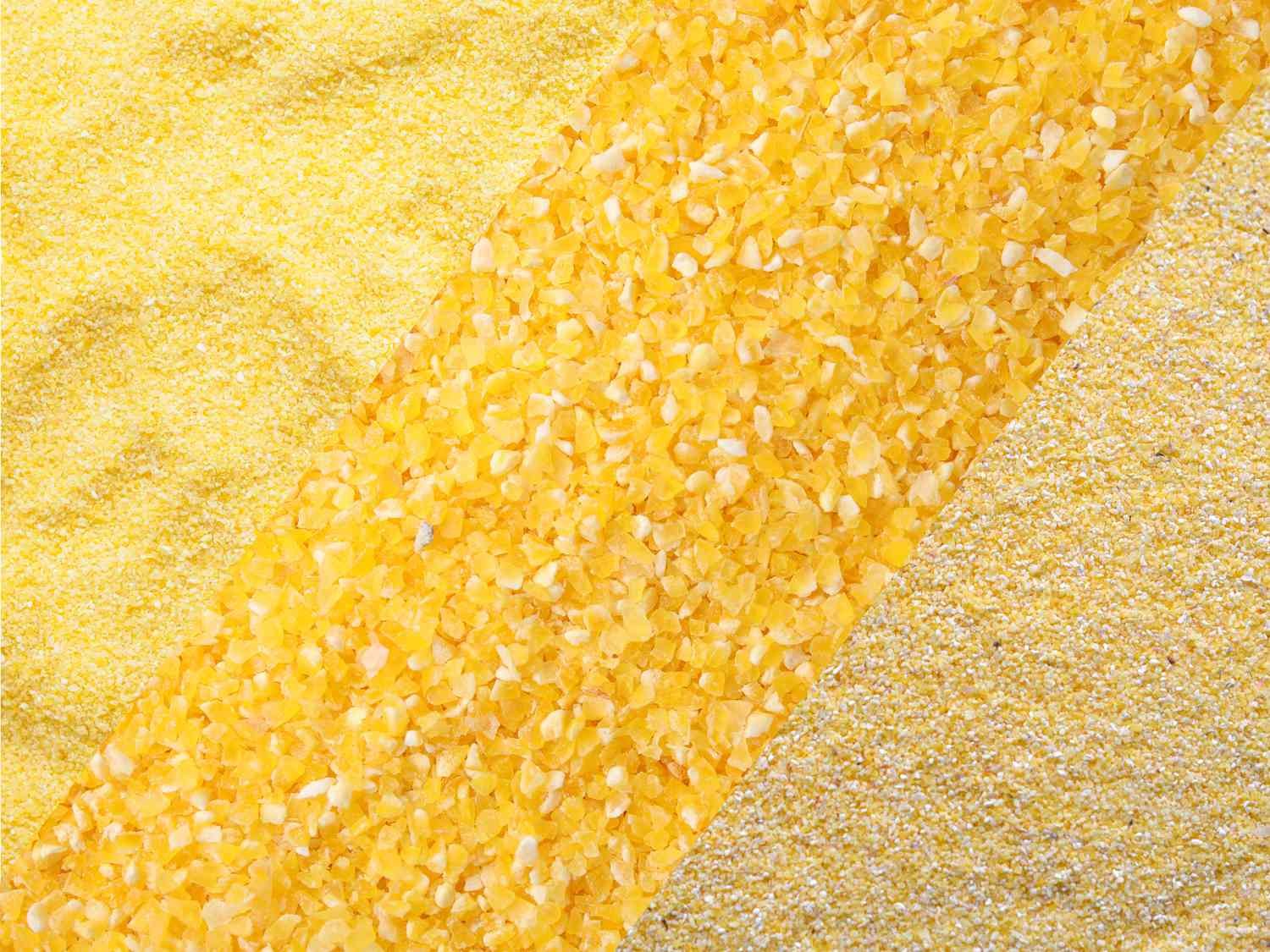
The grind is crucial. Industrial milling removes hull and germ for longer shelf life but sacrifices flavor. Stoneground retains more texture and depth, resulting in a varied particle size. The finer the grind, the faster it cooks, but flavor is often compromised.
Instant vs. Real: A Warning
Avoid instant polenta or grits at all costs. These are pre-cooked, dried, and re-ground, resulting in a flavorless “zombie” product, as Willis puts it. Opt for the longest-cooking version available – old-fashioned grits beat quick-cook, and quick-cook is better than instant. If stuck with only instant options, coarse cornmeal is preferable.
Breaking Down the Terms
- Cornmeal: The broadest category, encompassing all dried cornmeal grinds. Can be fine for baking or coarse for grits/polenta.
- Polenta: Historically Italian, now often just medium-to-coarse ground corn. Traditionally made from flint corn (harder, more flavorful), but many brands use US-grown dent corn instead.
- Grits: Coarsely ground corn specifically for the Southern dish of the same name. Slow cooking is key for creamy texture.
The Hominy Question
“Hominy” grits are made from corn treated with an alkaline solution (nixtamalization) to improve nutrient absorption. However, labels are unreliable; some products labeled “hominy” aren’t actually nixtamalized. Check the ingredient list for calcium hydroxide or potassium hydroxide to confirm.
The Bottom Line
Don’t fall for marketing hype. All three products are often interchangeable, but grind and cooking time matter. Prioritize quality over branding, and if you want the real deal, look for stoneground and slow-cooking options.
Ultimately, whether you call it polenta, grits, or cornmeal, the key is to understand how to cook it properly. The name on the bag matters less than the time you spend coaxing out its flavor and texture.