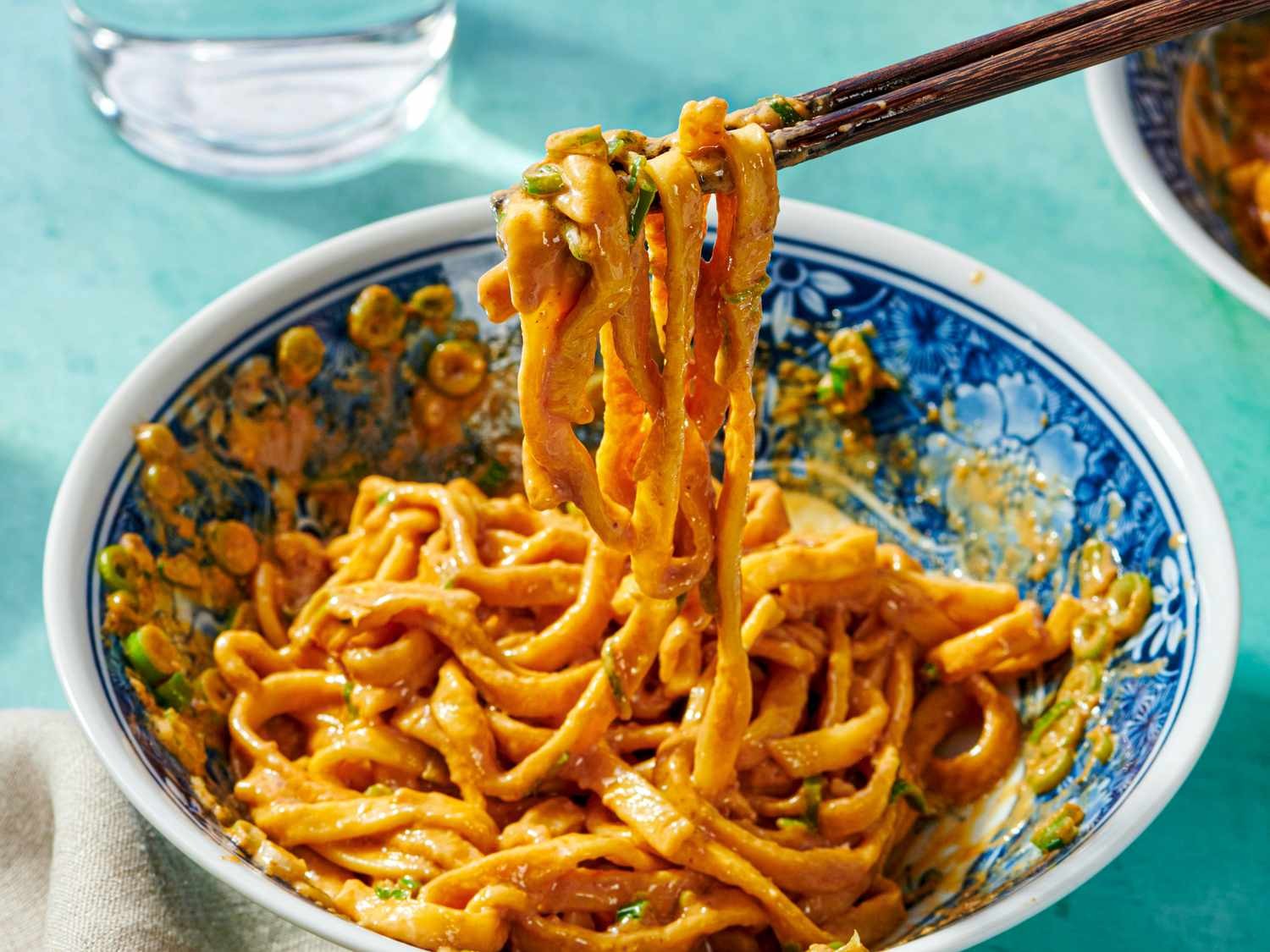
Peanut butter noodles, known as ban mian, are more than just a dish—they’re a cultural touchstone for Fujianese communities worldwide. What starts as a simple combination of noodles and peanut butter is, in reality, a complex and beloved food with deep roots in Chinese cuisine. This isn’t just about flavor; it’s about identity, community, and the search for authenticity in a globalized world.
The Origins of Ban Mian
The dish originates from Fuzhou, the capital of Fujian province in China. There, ban mian isn’t served in isolation but as part of a larger culinary experience alongside small plates like dumplings and soups. The sauce varies regionally, sometimes relying on sesame paste but almost always featuring peanut butter for its creamy texture.
The real story is the diaspora. As Fujianese immigrants settled in Chinatowns across the globe—particularly in New York City—they brought their food with them. This isn’t just culinary adaptation; it’s a way of preserving culture in a new country. The availability of ingredients, like American peanut butter brands, has shaped the dish’s evolution outside of China.
New York’s Ban Mian Scene
New York City’s Chinatowns are hubs for authentic ban mian. Shops like Shu Jiao Fu Zhou have become institutions, serving up generous portions to a loyal clientele. The line outside the door is a testament to the dish’s popularity; it’s not just food, it’s a social gathering point for the Fujianese community. The sheer volume of servings—often enough for two people—speaks to the hearty, filling nature of the dish, reflecting the working-class roots of the cuisine.
The Pilgrimage to Fuzhou
For some, like the author, the search for the perfect bowl led them back to the source. A trip to Fuzhou revealed that the best versions are still found in their place of origin. The noodles are consistently superior, a reminder that even globalized foods taste best when enjoyed in their cultural context. This isn’t just nostalgia; it’s a testament to the skill and tradition of local cooks.
Recreating Ban Mian at Home
The key to a great homemade ban mian lies in the sauce. While debates rage over peanut butter brands (Skippy versus Jif), the core ingredients are consistent: creamy peanut butter, lard, dark soy sauce, garlic oil, and sesame oil. The process is simple but crucial: melt the peanut butter, combine with the other ingredients, and vigorously mix until smooth. The addition of starchy noodle water helps the sauce cling to the noodles.
Noodle choice also matters. Thick, chewy wheat noodles are preferred, though variations exist. Ultimately, the dish is a matter of personal taste and preference.
The beauty of ban mian isn’t just in the recipe, but in the endless debate over what makes it perfect. Each cook, each diner, has their own opinion, and that’s part of what makes it so special.
In conclusion, ban mian is more than just a noodle dish. It’s a story of migration, adaptation, and the enduring power of food to connect people to their roots. Whether enjoyed in a bustling New York Chinatown or a small eatery in Fuzhou, this simple yet satisfying meal embodies the spirit of the Fujianese diaspora.