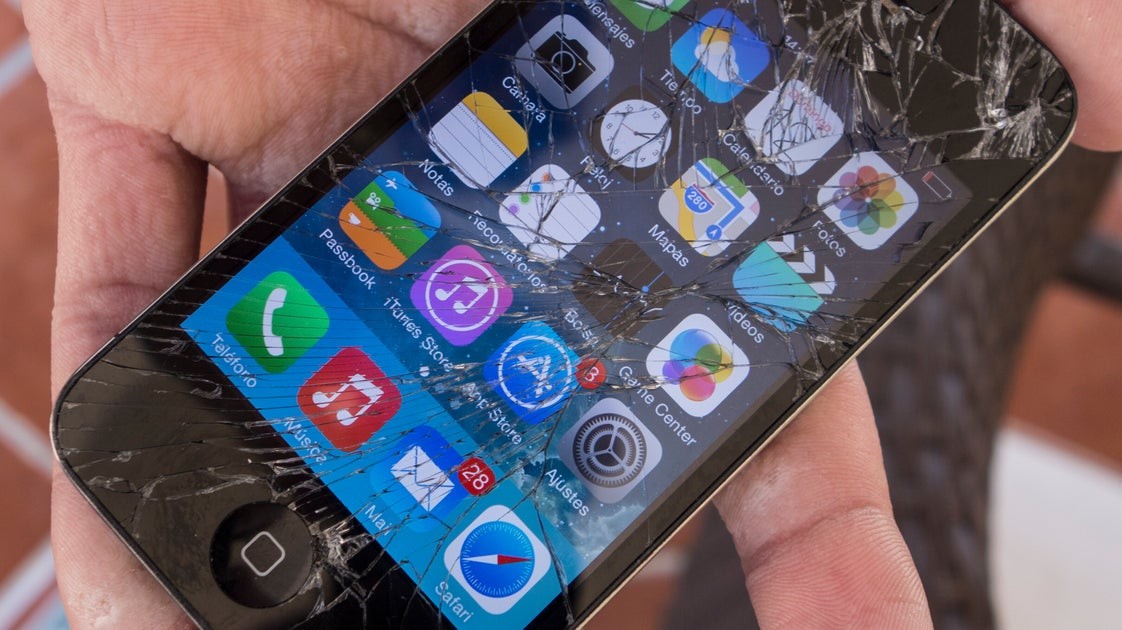
A cracked smartphone screen is more than just an eyesore; it can pose significant safety risks ranging from minor cuts to potential fire hazards. While many users delay repairs due to the high cost of replacement—often exceeding $300 without insurance—understanding the difference between cosmetic damage and structural failure is critical for device longevity and personal safety.
According to experts, not all cracks are created equal. The severity of the risk depends on the type of crack, its location, and how it affects the phone’s internal components.
The Danger of Heat: A Critical Warning Sign
The most urgent indicator that a cracked phone requires immediate attention is abnormal heat. If the area around the crack feels warm or hot to the touch, users should stop using the device immediately.
Arthur Shi, a senior technical writer for iFixit, explains that heat often signifies an electrical short circuit. This can lead to battery instability, which in extreme cases may cause the battery to ignite or catch fire.
“If you’re feeling the heat, there is something wrong,” says Dibakar Datta, an associate professor of mechanics at the New Jersey Institute of Technology. “This is a strong sign that moisture-related damage or battery instability may be present.”
Datta advises powering down the device immediately and seeking professional evaluation to prevent further risk.
Structural Integrity and Physical Safety
Even if the phone is not overheating, certain types of cracks present physical dangers. Spider-web cracks, which spread across the screen in multiple directions, indicate structural failure.
- Physical Injury: These cracks can produce minuscule glass shards that may embed in the skin, causing cuts or irritation. Shi suggests taping over the screen with packing tape as a temporary mitigation measure.
- Propagation: Datta notes that spider-web cracks are likely to propagate further, leading to additional structural damage over time.
In contrast, small, isolated cracks in the corner of the screen are generally considered low risk. If the screen responds accurately to touch and shows no signs of discoloration, flickering, or distortion, the damage is likely cosmetic and does not immediately threaten the device’s functionality.
The Hidden Threat: Moisture and Internal Damage
One of the most insidious risks of a cracked screen is moisture ingress. Modern smartphones feature laminated screens where the display, touch sensor (digitizer), and protective glass are bonded together. A crack compromises this seal, allowing sweat, humidity, or other liquids to seep inside.
Datta explains that moisture can gradually enter the digitizer layer, leading to:
* Touch Sensitivity Issues: The phone may become unresponsive or register phantom touches.
* Internal Corrosion: Moisture can oxidize metal connectors, degrade the circuit board, and weaken solder joints.
* Battery Degradation: Severe moisture exposure can damage the battery cell, increasing the risk of overheating.
“Even a very small crack can allow moisture to enter the phone gradually over time,” Datta warns. This slow degradation can turn a simple screen repair into a need for a complete phone replacement if ignored.
When to Seek Professional Repair
While delaying repairs is common due to cost, early intervention can save money and prevent safety hazards. Shi notes that screen replacement is relatively straightforward if addressed before internal components are damaged.
Key Takeaways for Users:
1. Check for Heat: Any abnormal warmth near a crack requires immediate shutdown and professional inspection.
2. Monitor Functionality: Flickering, discoloration, or touch issues indicate internal damage beyond the glass.
3. Assess Crack Type: Spider-web cracks pose physical injury risks and structural weakness; corner cracks are often cosmetic.
4. Prevent Moisture Entry: Cracks compromise the phone’s seal, risking long-term internal corrosion.
Conclusion
A cracked phone screen should not be ignored, particularly if it generates heat or exhibits spider-web patterns. While minor cosmetic cracks may be safe to use temporarily, any sign of heat, touch malfunction, or structural spreading warrants immediate professional repair to avoid safety hazards and costly internal damage.