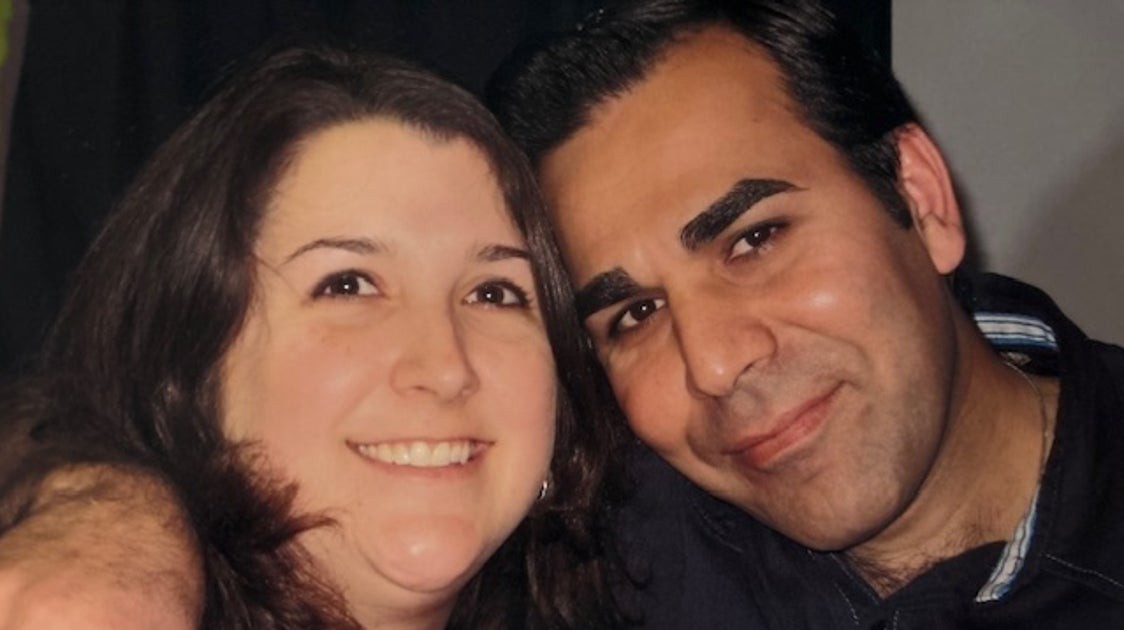
The life Shahrokh and Brandi Rahimi built together – a love story beginning at a San Antonio restaurant in 2007, culminating in marriage in 2009 and the birth of their daughter – was shattered on June 22, 2025, when ICE agents arrested Shahrokh in front of his family. This is not an isolated incident; it’s a stark illustration of how U.S. immigration enforcement tears families apart, leaving lasting trauma in its wake.
A Life Interrupted
Shahrokh and Brandi’s early days unfolded like a modern romance. Their meeting at Sarita’s Mexican Restaurant led to a proposal in 2009, followed by a small but meaningful wedding with family and friends. They later established a small taco shop, a testament to Shahrokh’s entrepreneurial spirit and their shared dream. Despite navigating the complexities of Shahrokh’s undocumented status (having entered the U.S. in 2003), they persevered, eventually securing “withholding of removal” status in 2010, protecting him from deportation to Iran due to credible fears of persecution.
For 15 years, Shahrokh diligently complied with all conditions of his release, attending check-ins and contributing to his community. Yet, on that fateful day in June, his record meant nothing. Agents handcuffed him in front of his 12-year-old daughter and neighbors, sending him into a cycle of detention across multiple immigration facilities.
The Ripple Effect of Trauma
The immediate aftermath was brutal. Brandi witnessed her husband’s arrest, and their daughter experienced a traumatic panic attack, forever altering her sense of security. The child now jumps at sudden noises, demands door cameras, and insists her mother sleep beside her – symptoms of profound anxiety. Brandi herself struggles with depression, sleeplessness, and the overwhelming burden of single parenthood.
The financial strain is crushing. Cello lessons and summer activities have been cut, and the family relies on an online fundraiser to stay afloat. Brandi juggles work, lawyer calls, and the constant emotional needs of her daughter, knowing that Shahrokh’s absence threatens her daughter’s academic and emotional future. Their daughter, a gifted student with aspirations for NASA, now faces an uncertain path clouded by grief and instability.
Beyond the Headlines
This case is not about statistics; it’s about the human cost of immigration policy. Shahrokh is not just a detainee, but a devoted husband, father, and community member who volunteered his time mowing neighbors’ lawns, feeding veterans, and mentoring children at his daughter’s school. His arrest has not only fractured his family but also robbed his community of a selfless contributor.
The Rahimis’ story underscores a critical truth: immigration enforcement is not abstract bureaucracy but a deeply personal tragedy. The fear of separation looms over millions, and the trauma inflicted by ICE extends far beyond detention walls. The couple’s commitment to love, faith, and resilience serves as a testament to the enduring strength of families caught in the crosshairs of a broken system.
The Rahimi family’s struggle is a painful reminder that immigration policies aren’t just political debates; they are life-altering realities that shatter dreams and leave scars that may never heal.