


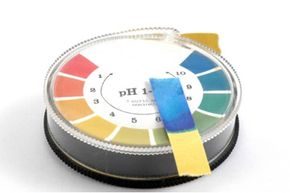
Remember chemistry in high school? You probably remember that pH stands for “potential hydrogen”. This is a scale from 0 to 14 that measures the acidity or alkalinity of a liquid. Anything below 7 is acidic. Anything above 7 is basic. Water is in the middle of 7. It is neutral. Acids and bases balance each other perfectly.
However, the scale is not linear. It is logarithmic. An increase or decrease in the number means that the acidity or alkalinity changes by a factor of ten.
Take milk. The pH is about 6. Since the pH of water is 7, milk is ten times more acidic than water. Vinegar? It’s about 3, so it’s 40 times more acidic than water. On the other hand, milk of magnesia is a base with a pH of 10. Therefore, it soothes an acidic stomach. Lye is 13. It can dissolve fat. Combine these extremes and you get salt water. They neutralize.
But does that chemistry class matter when you’re standing in the skincare aisle staring at a bottle of cleanser?
Does the phrase pH balanced cleanser really mean anything, or is it just another buzzword to make you spend more money?
The science of protecting your skin
Your skin tells a different story than vinegar or lye. The outermost layer of the skin is slightly acidic. Its pH value is about 5.5.
This acid mantle is no accident. It’s a shield. This acidity helps the skin retain moisture and keep bacteria and germs at bay. If you disturb this balance, you compromise your skin’s protective lipid layer.
This is where things get tricky.
Most skin cleansers have a value slightly above 5.5. Why? This is because dirt, oil and makeup often break down more easily in a slightly less acidic environment. The cleaner must cut through the dirt.
But a bar of soap? Bar soap is usually between 9 and 12. It is too alkaline. When you use soap with a high pH, you strip the skin of its natural acids. Result? Dryness. Irritation. A vulnerable barrier.
So logic suggests that you need a cleanser that matches your skin’s pH. You need a pH balanced cleanser to maintain an acidity of 5.5 and lock in your moisture.
Right?
Marketing reality check
Here’s an inconvenient truth: the term “pH balanced” is often a marketing gimmick.
Most of the soap-free cleaners on the market are already designed to be pH balanced. Manufacturers know that using high pH ingredients, such as harsh soaps, damages the skin’s protective layer. They have moved past that.
As industry standards change, claiming your product is “pH balanced” is like a restaurant claiming their water is wet. It is expected. That’s the starting point. It is not a unique selling point. It’s just a modern formulation.
If the cleanser is soap-free and gentle, its pH is probably already balanced. No need to look for a label. All you have to do is look at the ingredients.
How to actually check the pH of a product
Beauty products rarely have an exact pH value marked on the bottle. Even though they claim to be balanced, you won’t see the number.
If you are really interested in the acidity of your products, you can test it yourself. You have two options:
- Litmus paper: This tells if the liquid is acidic, neutral or alkaline. It’s binary. Good or bad? Yes or no?
- pH paper: Depending on the specific acid and base concentration, it takes on different colors. It will give you a number.
You can buy them online or in specialty stores. This is an inexpensive way to check the contents of the bottle.
Conclusion
You don’t have to be a chemist to take care of your skin. But understanding the basics will help you see through the hype.
Your skin is naturally acidic (approx. 5.5). Hard, alkaline soaps (9-12) destroy this protection. Modern, soap-free cleaning products are usually gentle and pH-friendly.
The term pH-balanced cleanser is less of a technical guarantee and more of an assurance that the manufacturer is not using outdated, aggressive ingredients.
You won’t make the mistake of ignoring the label. You’re just realizing that the skin care industry has finally caught up with basic chemistry.
It’s not a question of whether your cleanser has a balanced pH. The question is, is it gentle enough to leave your skin barrier intact?
Check the ingredients. Avoid using high pH soaps on your face. And stop worrying about marketing. Your skin will thank you.
Or maybe not. Maybe you’ll break out. Maybe you’ll get dry. But at least you don’t blame the pH.


