


We tend to think of our vision as a given. William Blake called eyes the windows of the soul, but honestly, they’re just the hardware we use to see the world. And we value them. High. Surveys consistently show that among all five senses, sight is the one people are most terrified of losing. It makes sense. We navigate life visually.
So why do we treat our eyes with such casual disregard?
We get busy. We forget the basics. And we make assumptions that can lead to real damage. Let’s break down what actually matters for keeping your vision sharp, starting with the biggest misconception out there.
The Truth About Eyeglasses vs. Safety Glasses
Here is a hard truth: your daily prescription glasses are not safety gear. If you are working with power tools, handling chemicals, or even mowing the lawn, assuming your everyday eyewear will protect you is a dangerous gamble.
Ordinary glasses fail for two main reasons. First, they don’t cover enough surface area. There are gaps. Dust, debris, or splashing fluids can easily slip around the frames and hit your eyes directly. Second, and more critically, standard lenses aren’t shatterproof. If an impact occurs, regular glass or basic plastic can shatter. You don’t want shards of your own lenses flying into your eyeballs. It’s a nightmare scenario that is entirely preventable.
You need actual safety glasses. These are designed to shield the entire eye area and are made of materials that resist breaking on impact.
The Foundation: Nutrition and Physical Protection
Protecting your eyes starts before any injury happens. It starts with what you eat.
Remember when your mom insisted carrots would improve your eyesight? It wasn’t just nagging. While they won’t cure blindness, a diet rich in certain nutrients does keep your eyes strong and healthy. It’s not a magic bullet, but it’s a solid foundation.
Beyond food, physical protection is key. Whether you’re playing sports or doing household chores, you need to be proactive. This means knowing when to put on safety glasses and which types work best for your specific activity. Don’t guess. Equip yourself properly.
Preventing Daily Eye Problems
Your daily habits might be slowly injuring your eyes. You won’t feel it happening in the moment. It’s a slow deterioration from abuse.
Consider ultraviolet (UV) light. The damage it causes is real. That’s why UV protection in sunglasses isn’t just a fashion statement or a comfort feature. It’s a necessity. Without it, your eyes are exposed to harmful rays that accumulate over time.
Then there is eyestrain. How much of it comes from sitting too close to the TV? The consensus is mixed, but the principle holds: screen time and poor posture strain the visual system. We need to be diligent about these small, daily stresses.
If you have diabetes, your eye care routine needs to be even more rigorous. Diabetes poses unique risks to eye health. Regular appointments with your eye doctor are not optional. They are essential.
Understanding Congenital and Genetic Conditions
Some eye issues are just part of how you were built. We are born with genetic predispositions.
These congenital disorders range from the manageable to the debilitating. Near-sightedness and far-sightedness are common. Glaucoma is serious. The symptoms vary. The treatments vary.
Understanding what you are born with allows you to manage it. You can seek out available treatments. You can also look into over-the-counter help for failing vision, but know the limits of what OTC solutions can actually do. They are aids, not cures for genetic defects.
Managing Temporary Eye Conditions
Even with perfect care, problems will crop up. They always do.
It might be a pesky infection. It might be blurriness from overuse. Conditions like pinkeye, dry eyes, red eyes, and sties are common. They can look frightening. Pinkeye, in particular, is highly contagious and especially tricky with babies.
Knowing how to handle these temporary issues is part of overall eye health. You need to know when to buy eyedrops and when to run to the doctor. Blindly buying random drops from the shelf is not a strategy. It’s a gamble.
This information is for educational purposes only. It is not medical advice. The editors, authors, and publishers of this content take no responsibility for consequences resulting from any treatment or action taken based on this reading. This does not replace the advice of your physician. Before starting any new treatment or making changes to your health routine, consult a healthcare provider.
We take our vision for granted until it’s gone. Or until something hits it. The truth is, keeping your eyes healthy isn’t just about annual check-ups. It’s about daily choices. You need to fortify them from the inside out and shield them from the outside world.
Let’s start with what you put on your plate.
Nutrition for Eye Health
Carrots won’t give you superhuman night vision. That’s a myth. But they are loaded with vitamin A, and your eyes absolutely need it.
Vitamin A deficiency causes xerophthalmia. This is a serious condition where the cornea dries out. If untreated? Blindness. It’s not just an old wives’ tale; it’s a medical reality affecting millions in developing countries. Even if you aren’t deficient, adequate vitamin A keeps the cornea clear and glistening.
Then there are antioxidants. You hear this term everywhere now. They fight oxidative stress. Think of it like a cut apple turning brown when left in the air. Cells in your body undergo similar damage over time. Antioxidants slow that process down.
The Age-Related Eye Disease Study (AREDS) by the National Institutes of Health found something important. High levels of antioxidant vitamins A (beta-carotene), C, and E can significantly reduce the risk of advanced age-related macular degeneration (AMD). This is crucial for women over 50 who are already at high risk.
But here’s the catch. Antioxidants did not show protective effects against cataracts. So don’t pop vitamins expecting to avoid surgery if you’re prone to them.
Zinc is the other heavy hitter. The AREDS study showed that combining high-dose zinc with antioxidants reduced the risk of advanced AMD by about 25 percent. It’s not a cure-all, but it’s a solid buffer against one of the leading causes of vision loss in aging.
Avoiding Eye Injuries
Ninety percent of eye injuries are preventable. That’s a staggering number. Most happen because we’re careless in familiar places.
At Play
Recreation is surprisingly dangerous. A recoiling bungee cord. A stray fishing line. Flying sparks from a campfire. It all happens fast.
Sports account for at least 200,000 eye injuries annually. Baseball, basketball, tennis, squash, hockey. The list goes on. When you’re on the field, wear protective eyewear. Not sunglasses. Actual protective glasses.
They need to wrap around. Polycarbonate lenses are the way to go. They’re impact-resistant. If you wear prescription glasses, get safety-rated ones. Don’t risk it for a game.
The Home Workshop
DIY is fun until a nail ricochets into your retina. Flying wood chips. Splashing paint thinner. It’s a hazard zone.
You need the right gear. Don’t just grab any old glasses.
- Safety Glasses : These cost a few dollars. Good for hammering or slow tools. Look for the safety test logo. Polycarbonate is best for impact resistance. Side shields are non-negotiable. They stop objects coming from the sides. If you need prescriptions, get prescription safety glasses.
- Safety Goggles : These seal around your eyes. Debris flies everywhere in a workshop. Goggles protect from all directions. Use them with chemicals or fast-moving tools.
- Full-Face Shields : Use these for lathes or routers. If you’re welding, the shield needs special shading for the bright light. But a shield alone isn’t enough. Heavy impacts can fly up or around it. Always wear safety glasses or goggles underneath.
Yardwork
Mowing the lawn is a classic eye-injury culprit. Stones and twigs get spit out by the mower. Thousands of wounds happen this way every year. Wear goggles.
Trimming hedges? Branches snap back. Fast. Wear protection. Chain saws? You need both a face shield and goggles.
Other Chores
Cleaning with chemicals? Splashes happen. Goggles protect you. Painting a ceiling? Drips fall. Goggles protect you. Working under your car? Grit falls. Goggles protect you.
It seems like a hassle. It isn’t. Your sight is worth the five minutes it takes to strap on a pair of glasses.
Why Prevention Matters More Than Cure
We live in a world that moves fast. We rush through chores, play hard, and ignore the small risks. But eyes don’t regenerate. Once that cornea is scarred or the optic nerve is damaged, it’s often permanent.
You don’t need a PhD in ophthalmology to protect your vision. You just need awareness.
Eat your greens and your colorful fruits. Load up on zinc and antioxidants if your doctor says your diet is lacking. And when you pick up a hammer, a lawnmower, or a tennis racket, put on your gear.
It’s simple. It’s practical. And it keeps you seeing clearly for longer.
What’s your go-to eye protection? Do you actually wear goggles when you mow, or do you just hope for the best?
You don’t need a baseball bat to your face to ruin your vision. The real culprits are often the tiny, invisible habits you repeat every single day. That slight squint? The late-night scrolling? The glare bouncing off your screen? These small actions add up. They wear down your eye muscles until you’re left with dryness, headaches, and blurred vision. It’s not about panic. It’s about awareness.
“Dim light won’t hurt your eyes but can tire them more quickly.”
Most people think eye strain is just about age or genetics. It’s not. It’s about how you interact with light and distance. If you’re constantly squinting or holding your phone inches from your face, you’re forcing your ciliary muscles to work overtime. Over time, that fatigue becomes chronic. The good news is that you can reverse the damage with minor tweaks to your environment. No expensive gadgets required. Just a little intention.
Lighting matters more than you think
Start with your reading habits. It’s a myth that reading in dim light causes permanent damage. It won’t cause blindness. But it will make your eyes tired. Fast. When the light is low, your pupils dilate. Your eye muscles have to contract harder to focus. Do that for an hour, and you’ll feel the burn behind your eyes.
If you watch TV in a dark room, stop. The contrast between the bright screen and the black walls is harsh. It forces your eyes to constantly adjust. Keep a soft lamp on. Not bright. Just enough to reduce the contrast. Your eyes will thank you by the next morning.
How to set up your workspace for eye safety
Your computer monitor is a major source of daily strain. Most people position their screens incorrectly. They look down, which dries out your eyes because your eyelids are partially closed. They also hold them too close.
- Angle your screen. Position it so the top of the monitor is at or just below eye level. You should look slightly down. This reduces exposure to air, keeping eyes moist.
- Increase distance. Hold your screen a little farther away than you would hold a book. About an arm’s length is a good rule of thumb.
- Kill the glare. Use an antiglare filter. Reflections force your eyes to work double-time to penetrate the shine. A simple matte screen protector can change everything.
The importance of corrective lenses and breaks
If you have glasses or contacts, wear them. Seriously. Straining to see clearly is one of the fastest ways to trigger a tension headache. Your eyes don’t “get stronger” by squinting. They just get exhausted. If you’re not sure what prescription you need, get an exam. Don’t guess.
Even with perfect lighting and posture, your eyes need a break. The blink rate drops significantly when you stare at screens. We go from blinking 15 times a minute to maybe 5. That leads to dryness. Irritation. Redness.
Set a timer. Every twenty minutes, look away. Look at something twenty feet away for twenty seconds. The 20-20-20 rule is old school for a reason. It works. It resets your focal length. It gives those overworked muscles a moment to breathe.
Why small changes prevent

Your eyes are tough. Really. But they aren’t invincible.
Over years of blinking, screen-gazing, and squinting against the sun, small abuses add up. You can’t just ignore the wear and tear. There are specific, preventable dangers lurking in your daily routine. Let’s look at how to stop them before they start.
Ultraviolet Exposure
Think of sunglasses as more than an accessory. They are a shield.
UV light from the sun causes serious damage. We’re talking cataracts and macular degeneration here. The American Academy of Ophthalmology says you need protection whenever you’re out long enough to get a tan or burn.
A brimmed hat cuts the sunlight hitting your eyes by about half. Sunglasses boost that protection. But don’t forget the reflections. Water, sand, and snow bounce those rays right back at you. If you’re at the beach or on a ski slope, you need both hat and glasses.
Here is the thing about buying sunglasses: you don’t need to spend a fortune.
“Price is not a good indicator of sunglasses’ protective quality.”
Some designer pairs offer zero protection. What matters is the UV blocking. You want no more than 30 percent of sunlight reaching your eyes. In bright places, like a snowy mountain, aim for a transmission factor of only 10 percent.
Watch out for dark lenses with no UV coating. They make your pupils dilate. More light gets in, including the harmful UV rays. You’re actually increasing your risk of damage.
When you’re shopping, keep these rules in mind:
- Lens color means nothing for UV protection.
- Polarized lenses cut glare but aren’t strictly necessary for UV safety.
- Gradient lenses (darker at top, clear at bottom) are bad for open sun. Use them only for driving.
- Check for distortion. Hold the glasses up, look at a window frame, and move them side to side. If the lines wiggle, throw them out.
- Comfort matters. If they pinch, you won’t wear them.
- Look for the label. It must say UVA and UVB protection.
Eyestrain
Reading or sewing doesn’t actually injure the eye tissue. It tires the muscles around it.
The cure is simple. Stop.
Close your eyes. Stare at something far away. Give those muscles a break. You also need light. Fine work needs more light. A gooseneck lamp helps because you can direct the beam exactly where you need it, rather than having it glare in your face.
Eyestrain causes headaches, dry eyes, and trouble focusing. It’s annoying, but usually not dangerous. However, persistent strain can signal something worse, like glaucoma. If you’re constantly bothered by tired eyes, see a professional.
Diabetic Eye Care
If you have diabetes, your eyes need extra attention.
High blood sugar creates threats. The biggest risk is diabetic retinopathy. Abnormal blood vessels grow over the retina. They damage it. Sometimes, they destroy vision permanently.
About one-third of people with diabetes get this. It usually happens after a decade of having the disease. Five percent of those people lose their sight to it. Diabetic retinopathy is the leading cause of blindness in people under 60 in the US and Canada.
Control is key. Diet. Medication. Exercise. High blood pressure makes retinopathy worse. Keeping blood sugar in check reduces the risk of progression.
Screenings are non-negotiable. If you’re at risk, get checked yearly. Even if you see nothing wrong. Early detection can stop the advancement with laser treatments.
If you were recently diagnosed with Type II diabetes, get an eye exam ASAP. You might have had it for years without knowing. Damage could already be there.
Regular Checkups
We wait until something hurts. That’s human nature.
But by the time you feel pain, you might have missed the window for easy treatment. Catching problems early saves vision.
Aim for a checkup every two to four years between ages 40 and 65. After 65, go every one or two years.
If you have diabetes, a family history of glaucoma or macular degeneration, or if you are Black or severely shortsighted, get checked every year.
You can’t wait for the blur. Get in the chair.
Choosing the Right Eye Care Professional
Navigating the healthcare system can be confusing, especially when it comes to vision. If you are wondering what sort of eye specialist you should visit, the answer depends entirely on what you need. Most people use the terms interchangeably, but the distinctions matter.
You will likely encounter two main types of licensed eye doctors: ophthalmologists and optometrists. Both are trained to evaluate eye problems and check your vision. However, their scope of practice differs significantly. In most regions, only ophthalmologists— who are fully qualified medical doctors (MDs)—have the legal authority to prescribe medications for treating eye diseases. They are also the only ones permitted to perform eye surgery.
Then there is the optician. This third category is often confused with doctors, but their role is strictly technical. An optician is trained only to make and fit prescription eyewear based on a doctor’s orders. They do not diagnose conditions or prescribe lenses.
If you have routine checkups, an optometrist is often sufficient. But if you suspect a serious eye defect or require surgical intervention, you need an ophthalmologist. For specific concerns about potential eye conditions, you should consult the detailed guides on serious eye disorders.
“Both ophthalmologists and optometrists are trained to evaluate eye problems, but only ophthalmologists can prescribe medications and perform surgery.”
Debunking Common Eyestrain Myths
We have all heard the warnings since childhood. The scoldings were relentless. Don’t read in dim light. Do not watch television in a dark room. Stop sitting too close to the screen. And for heaven’s sake, wear your glasses.
For decades, we believed these actions would permanently damage our eyesight. Eye specialists now say otherwise.
These activities may make your eyes tired. You might experience discomfort. Your vision might blur temporarily. But they will not cause actual damage to the structure of your eye. It is a myth that sitting close to the TV ruins your vision. It is also false that reading in low light leads to long-term defects.
So go ahead and watch that movie in the dark. Just know that your eyes might thank you for the rest, but they won’t thank you for the damage.
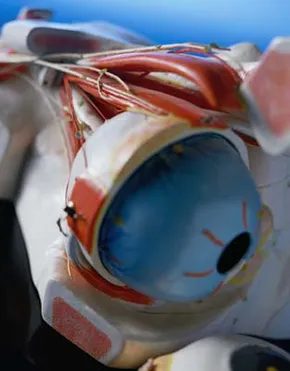

Astigmatism: The Curvature Problem You’re Born With
Some eye issues aren’t about what you do, but what you’re given at birth. Prevention doesn’t work here. You can’t outsmart genetics with kale.
Astigmatism is one of those congenital quirks. It’s not a disease so much as a shape problem. The cornea or the lens inside your eye isn’t perfectly round. It’s more like a football than a basketball.
Most people with astigmatism see straight ahead just fine. The trouble starts at the edges. Your peripheral vision gets warped. Things above, below, or to the side might look stretched or blurred.
It’s usually a simple fix with prescription glasses. Most of us were born with the tendency for it. Sometimes injury or disease changes the curvature later on, and that’s harder to fix. But the congenital kind? That’s standard.
Here’s the kicker for parents: don’t wait. If a child has astigmatism and doesn’t correct it early, they risk permanent vision deficits. The brain stops processing the blurry input as “normal.” Treat it young.
Cataracts: The Fogging Lens
Picture looking through a waterfall. That’s what cataracts feel like. The lens of the eye clouds over. Vision gets obscured.
It’s not just aging, though aging is a big player. About half of Americans between 65 and 74 have cataracts. By age 75, that number jumps to 70 percent. But it can hit newborns too, often if the mother had German measles during pregnancy.
Symptoms are distinct. You’ll notice:
– Sensitivity to light and glare
– Colors looking faded or yellowed
– Poor night vision
– Halos around lights
Why do they happen? Science isn’t 100% sure. Aging is the main suspect. But so are injury, prolonged corticosteroid use, high radiation doses, and UV exposure from the sun. Researchers are still looking into whether vitamins or minerals can slow the progression.
Cataracts lead to blindness if ignored. But surgery fixes 95 percent of cases. It’s usually outpatient. You only do it when daily life becomes a hazard.
The glasses are gone. Years ago, you’d get thick, heavy lenses post-op. Now, surgeons implant a tiny plastic intraocular lens. It’s lightweight. It gives a clear image.
There’s a trade-off. Natural lenses adjust for near and far. These implants don’t. You and your doctor pick your preference before the cut. You lose the auto-focus.
Glaucoma: The Sneak Thief of Sight
Glaucoma is pressure. Fluid builds up inside the eyeball because it can’t drain. The pressure spikes.
It’s the leading cause of blindness for people over 60. Most cases (90 percent) are chronic. Pressure creeps up. It’s undetected for years.
Then there’s acute glaucoma. Rare. Sudden. Severe pain. Abrupt blurring.
Chronic glaucoma is painless. It steals your peripheral vision while your central sight stays sharp. Later, you might get foggy vision, trouble adjusting to darkness, or halos around distant lights. But by then, the damage is often permanent.
Regular screening after 40 is non-negotiable. If you’re at higher risk, check every two years. Otherwise, every three to five years.
Risk factors include:
– Being Black
– Having diabetes
– Prior eye injury
– Family history of glaucoma
– Long-term corticosteroid use
If caught early, eyedrops usually work. They have side effects like drowsiness or headache. If drops fail, laser surgery is an option. A 1996 study showed laser therapy works as well as drops with fewer side effects initially. But the effect wears off. You may need more treatments down the line.
Myopia: The Long Eyeball
Myopia is nearsightedness. The eyeball is too long from front to back, or the cornea is too curved.
Close objects look sharp. Distance looks fuzzy. The image focuses short of the retina instead of on it.
It’s hereditary. Starts around age 12. Progresses until about 20. Rarely gets worse after 30. Sometimes it even improves.
Glasses or contacts fix it easily. If you want out of the hardware game, there’s radial keratotomy. It’s a surgery that cuts spokes into the cornea to reshape it.
The National Eye Institute funded a long-term study in 1994. Ten years post-surgery, 70 percent of those patients didn’t need corrective lenses.
It’s not a magic bullet. The eye is complex. But for some, it’s freedom from the frame.
Radial keratotomy is not a universal fix. The procedure carries real risks, like compromised reading vision or night vision issues. It works best for people with only mild nearsightedness. If you are thinking about it, you need to sit down with an ophthalmologist. Talk through every expected result. Discuss possible complications until you feel completely sure. There is another option too. Photorefractive keratotomy is available as a newer alternative.
Most eye problems are temporary. They clear up with the right treatment. That is good news. For details on those fleeting conditions, look at the next section.
This content is informational only. It does not provide medical advice. Consult your doctor before starting any treatment.
Low-Vision Aids for Better Sight
Glaucoma or another eye issue can lead to visual impairment. Devices exist to help you see better. You have options.
- Magnifying spectacles are easy to find. Pick them up over the counter at any pharmacy.
- Hand-held magnifiers offer flexibility.
- Telescopes can be mounted in spectacles. Some people use tiny lenses to spot street signs from a distance.
- Closed-circuit televisions project an enlarged image onto a TV monitor.
- Large-print books, magazines, and newspapers make reading less straining.
- Talking appliances include timers, clocks, and computers.
- Enlarged telephone dials help with communication.
Lighting matters more than you might think. An average 60-year-old needs twice as much illumination as a 20-year-old to read comfortably. Turn on more lamps. Adjust your environment. It makes a tangible difference in how clearly you perceive the world around you.

Even when you’re diligent about eye care, problems still happen. You can wear your sunglasses and blink through the day, but inflammation or infection can still creep in. Here is what to look for, how to handle it, and how to stop it from coming back.
What to Know About Blepharitis
Blepharitis is basically inflammation at the edge of your eyelids. Your lids get red and thick. You might see scales or crusts. In worse cases, shallow ulcers form. It is super common. Kids get it a lot. It usually hits both eyes, top and bottom lids.
There are two main types. Ulcerous blepharitis comes from an infection in the eyelash follicles or oil glands. The more common nonulcerous type? That often stems from allergies or seborrheic dermatitis. You know the flaky scalp, eyebrows, or ears? That same inflammation causes this. Sometimes head lice are the culprit there too.
Symptoms are annoying but recognizable:
- Itching and burning: Your eyes feel raw.
- Red rims: The edges of your lids look irritated.
- Swelling: Lids puff up.
- Lash loss: You might notice fewer lashes.
- Gritty feeling: Like there is sand underneath your lid.
Understanding Pinkeye (Conjunctivitis)
Conjunctivitis is the inflammation of the conjunctiva. That’s the thin membrane lining your eyelid and covering the white of your eye. Children catch it more often than adults.
Bacteria and viruses are the usual suspects. But it’s not always an infection. Allergies, chemicals, dust, smoke, or even chlorine from the pool can irritate it. Sometimes foreign objects get stuck. Rarely, a sexually transmitted disease causes pinkeye.
Watch for these signs:
- Redness: The eye looks bloodshot.
- Grating sensation: Something feels wrong in there.
- Burning and itching: Itchy eyes are a classic sign.
- Light sensitivity: Bright lights hurt.
The Serious Stuff: Detached Retina
Normally, your retina is stuck tight to the choroid. That’s the blood-vessel-rich layer underneath. If fluid or blood builds up between them, the retina peels away. Partially or totally.
The warning signs are specific. You might see floating dark spots or streaks of light. Blurring hits suddenly or gradually. Then, a curtain or veil seems to fall over your vision. Seek medical attention immediately if this happens.
Causes can range from cataract surgery to severe nearsightedness or direct injury. Other factors like eye inflammation, tumors, high blood pressure, or bleeding inside the eye heighten the risk.
Treatment involves laser fusion or surgery. If you ignore it, it gets worse. Blindness is a real outcome here.
Newborns and Pinkeye
Babies get antibiotic eye drops right after birth. This prevents conjunctivitis from damaging their eyes. Usually, pinkeye isn’t a big deal. It might need care, or it might not.
There is one big exception. If a newborn gets conjunctivitis, you must treat it immediately. Their vision is at risk.
More Temporary Eye Conditions

When Tears Aren’t Enough
Dry eyes are more than just a nuisance; they sting. They burn. They itch. If you are a woman past menopause, you already know this condition is common, but it’s not the only culprit. Antianxiety drugs, sleeping pills, antihistamines, decongestants, and even some meds for arthritis or high blood pressure can trigger it. Allergic reactions to eye drops or infections blocking your tear ducts do it too. In rare cases, Sjögren syndrome—a chronic connective tissue disorder—is to blame. It often shows up alongside blepharitis.
You need a doctor’s diagnosis to be sure. Artificial tears are your best friend here. Skip the over-the-counter drops with vasoconstrictors; they make the drying worse.
Here is what actually works:
- Stay away from tobacco and air irritants.
- Point hair dryers away from your face.
- Wear glasses against the wind.
- Use goggles when you swim.
- Keep your home and office humidity between 30 and 50 percent.
The Red Flag of Red Eyes
Red eyes signal a lot of trouble. It could be lack of sleep. It could be a minor issue. Or it could be vision-threatening illness. If you’ve had enough sleep, look closer.
It might be a tiny, self-healing rupture in the conjunctiva’s blood vessels. Hard coughing or sneezing can cause this. It might be an allergy. Or a bacterial or viral infection. Maybe the onset of a sty. Iritis—an inflammation of the uvea layer—could be the issue. That needs drug treatment. Trauma, like a foreign object in the eye, requires immediate attention.
You can use decongestant drops. Just don’t overdo it. Check with your doctor first to rule out something serious.
If you have red eyes plus pain, significant discharge, blurred vision, or severe light sensitivity, go to the doctor. These point to inflammation inside the eye. An ulcer. Glaucoma.
Never rub irritated eyes. You could cause serious damage, especially if something is stuck in there.
The Slow Fade of Vision
Macular degeneration deteriorates the macula. This is the small central part of the retina. Your central vision blurs. Peripheral vision stays intact. It is the leading cause of central-vision loss for people over 60.
It rarely causes total blindness. But it severely restricts reading and driving. Risk factors? Smoking. Age. Family history. Being a white woman.
There are two types. Dry macular degeneration is the most common (90 percent of cases). It progresses slowly. Wet macular degeneration is the most severe (10 percent of cases). It causes the most visual loss. Visual loss is progressive in both, but the rate varies by type and stage.
New treatments can slow progression. They cannot cure the disease. If you are diagnosed early, talk to your doctor about high doses of vitamins A, C, and E, and zinc. These help slow progression.
Smokers: avoid formulations with beta-carotene. It increases the risk of lung cancer.
Advanced stages? Laser therapy. Injections of drugs directly into the eye to interfere with the condition’s mechanism.
Shadows and Retinitis
Night blindness means you see fine in good light. But not in dim light. Or fading light.
Causes? Severe vitamin A deficiency. Or an inherited degenerative disorder of the retina called retinitis pigmentosa.
If it’s a vitamin A deficiency, treatment is administration of the vitamin. But a physician’s care is crucial. You need to be sure night blindness is the problem. And you need to ensure the doses are safe.
Retinitis is inflammation of the retina. Many causes range from hereditary conditions to infections. Various forms share symptoms:
- Night blindness
- Inflammation of the retina
- Tunnel vision
- Loss of sense of body movement
The Painful Pimple
A sty is about the size of a pimple. It is extremely annoying and painful. This inflamed or infected swelling comes from an infected follicle. Or a blocked gland in the eyelid. Sties are sometimes, but not always, related to blepharitis.
At first, it feels like a foreign object in the eye. Tearing follows. Redness. Swelling. Tenderness. Light and touch sensitivity. Pus may form inside the bump. It may burst.
The sty will go away on its own. You might have to live with it for a week. Warm, moist compresses several times a day help. They encourage the sty to burst and then heal.
DO NOT squeeze a sty. You risk making it much worse.
If it doesn’t improve, see your doctor. An antibiotic ointment might help. Rarely, surgical removal is in order.
Our eyes are intricate. Delicate. They are vital to how we interact with the world. Don’t they deserve the best care possible?
Why Your Redness Drops Are Backfiring
You might be reaching for those redness-relief drops because your eyes are tired. Maybe it’s the screen glare. Maybe it’s late nights. But here is the truth: drops designed to reduce redness are not the solution for eyestrain. They don’t treat the cause. They just mask the symptom.
When you use vasoconstrictor drops, they shrink the blood vessels on the surface of your eye. That clears up the redness instantly. It looks clean. It looks rested.
But that effect is temporary.
If you keep using them, your body reacts. The blood vessels dilate more than before once the medication wears off. This is called the rebound effect. You end up with eyes that are redder than they were to begin with. It becomes a cycle. You apply drops to fix the redness, which makes the redness worse, so you apply more drops.
Stop the cycle.
What Dry Eyes Actually Need
If your problem isn’t redness from overuse, but rather a gritty, burning sensation, you are likely dealing with dry eyes. In that case, skipping the redness relief is the right move.
Instead, look for over-the-counter eye lubricants. Commonly known as artificial tears, these drops mimic your natural tears. They don’t constrict blood vessels. They don’t cause rebound redness. They simply add moisture.
A drop or two can provide real relief when your eyes are feeling parched. It’s a simple swap. Trade the cosmetic fix for actual comfort.
The Bottom Line
Before you reach for the bottle that promises crystal-clear whites, check your symptoms. Are you just tired? Are you staring at a screen? That’s eyestrain. No drop will fix that except a break.
Are your eyes dry? Burning? Sensitive to light? That’s a lubrication issue. Artificial tears are your friend.
“Eyedrops that decrease redness are not meant to be used for eyestrain.”
This isn’t medical advice. It’s a warning label for your routine. If you have persistent issues, see a doctor. But for now, know that less is often more when it comes to what goes into your eyes.


