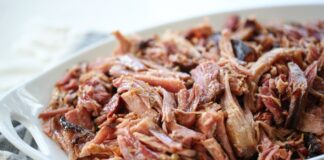
Let’s be honest. Traditional kunefe requires a special pan, a special heat source and patience that most of us don’t have on a Tuesday night. But craving? That’s real. And it doesn’t care about your schedule. The solution is simpler than you might think: a regular frying pan and a willingness to carefully regulate your heat. You can make a version that’s crispy on the outside, gooey in the middle, and drenched in syrup without ever leaving the kitchen counter.
The secret is not only in the ingredients. It’s in the technique. Specifically, how to handle the kadayıf (shredded phyllo-like dough) and when to apply the syrup. If you rush, you’ll end up with soggy noodles. If you can do that, you’ll be in dessert heaven.
Distribution of ingredients
You don’t need grocery haul from Istanbul for this. You need precision.
- 250g fresh dough : Do not use dried pastry strands unless you have hours to soak and chop them. Freshness is non-negotiable when it comes to texture.
- 2 tablespoons of butter : Mix into the dough.
- 1 tablespoon of molasses (pekmez) : This is a flavor anchor. It has a deep, caramel undertone.
- 2 tbsp butter : For greasing the pan.
- 125 g of Kunefe cheese : Traditionally, a salty, stretchy cheese such as Hatay Peyniri is used.
If you can’t find it, mozzarella will work. It’s not authentic, but it’s available. The main thing is that it melts.
For the syrup :
* 2 cups of water
* 1.5 cups sugar
First prepare the syrup
Stop. Don’t start making the dough yet.
Heat the water and sugar in a small saucepan. Bring it to a boil. Let it bubble for a minute or two. You want it thick enough to coat the back of a spoon, but not so thick that they become candy. Turn off the heat. Move it aside. Allow to cool completely.
Why cold syrup? Because Kunefe should be served hot and cold at the same time. Contrast is the point.
Form kunefe
Chop the kadayıf strands. You want them to be about the width of your pinky finger. It sounds rough, but it helps the dough bind better than perfectly long strands.
Melt 2 tablespoons of butter in a bowl. Pour it over the chopped kadayıf. Mix with your hands or a fork until each strand is coated. The dough should look like wet sand. If it’s dry, add a teaspoon of butter. If it’s soupy, add a pinch more dough.
In a separate small bowl, combine the molasses with the remaining 2 tablespoons of butter. This mixture will coat your pan.
Pan strategy
Grab a non-stick pan. Medium-low heat is your friend. High heat will burn the sugar in the molasses before the inside melts.
Spread the molasses-butter mixture liberally on the bottom and sides of the pan. It will caramelize. That’s good. That’s flavor.
Take half of