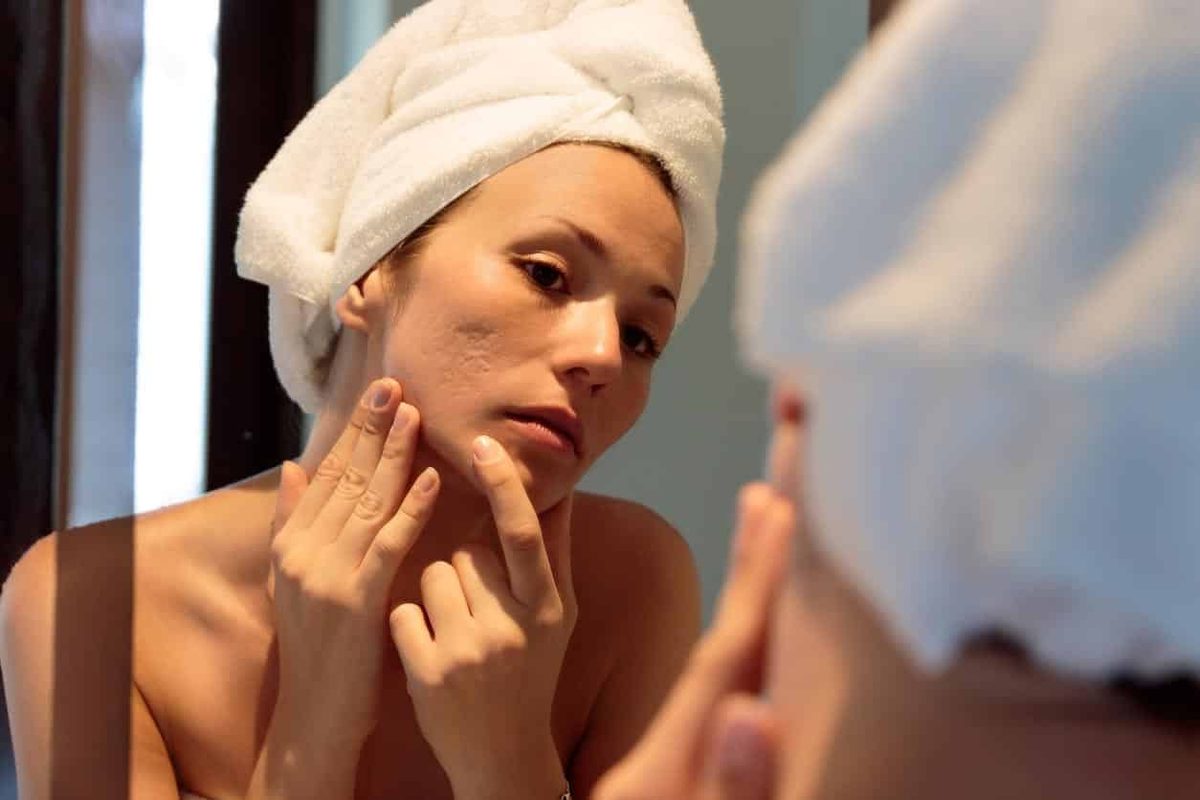
Acne is not just a superficial problem. This is a true skin disease that targets the hair follicles and sebaceous glands. What is the root cause? Excessive sebum secretion.
It’s everywhere. Especially among teenagers. For most people, it eventually wears off. You might treat it. You might not. Either way, your skin will be brighter in the end. But as a result, things get difficult.
Healing does not mean that the skin returns to its original state. Often visible evidence is left behind. Red marks. White spots caused by loss of pigment. Dark spots from hyperpigmentation. Scars that dig into the texture.
These marks will not go away without intervention. They can last for years. Or in stubborn cases for life. That’s a big price to pay for this common thing.
But there are ways to fight back. There are natural remedies. They don’t work overnight. Consistency is required. But they help remove the stigma that still remains.
Here are 10 natural methods worth considering. It’s not a panacea. Revitalize your skin from the inside out with practical and easy steps.
The reality of acne scars
Before we get into the details of treatments, it’s helpful to know what you’re actually being treated for. Not all scars are created equal.
- Hyperpigmentation: Dark spots still remain after the acne has healed. It is an overproduction of melanin caused by inflammation.
- Hypopigmentation: Lighter spots. The skin loses pigment during the healing process. These are harder to fade than dark spots.
- Erythema: Red or pink marks. Dilation of blood vessels near the surface. It is most commonly seen on fair skin tones.
- Atrophic scar: A sunken area. Ice picks, boxcars, rolling scars. These involve tissue loss.
Natural remedies are best for treating discoloration and surface redness. It can soften the appearance of shallow scars. The hole is not filled. This requires special methods.
Still, for the majority of post-acne scars, natural treatment can produce dramatic results.
1. Aloe Vera gel
Aloe Vera is more than just a sunburn soother. Contains compounds that promote healing and reduce inflammation.
Apply fresh gel from the leaf directly to the mark. Let it absorb. No need to rinse. Do this every day.
It’s gentle. It has moisturizing properties. And it doesn’t irritate sensitive skin.
2. Honey
Raw honey, especially Manuka honey, has antibacterial and anti-inflammatory properties. It helps calm redness and speed up tissue healing.
Apply a thin layer to the affected area. Let stand for 20 minutes. Rinse with lukewarm water.
Use several times a week. Watch the redness and fade go away.
3. Lemon juice
Citric acid acts as a natural bleaching agent. Over time, black spots can fade.
Dilute fresh lemon juice with an equal amount of water. Apply with a cotton pad. Let stand for 10 minutes. Rinse thoroughly.
Warning: Lemons are sensitive to light. Use only at night. Exposure to sunlight can reverse this effect and cause burns.
4. Apple cider vinegar
Aloe Vera is more than just a decorative succulent. This plant is native to Africa and plays an important role in skin health. Moisturizes and renews while soothing inflammation. The gel, rich in minerals and vitamins, is your natural ally in the fight against irritated skin. Many people use it to remove acne scars.
The method is very simple. Take a small amount of gel in your hand. Apply it on the affected area of the face. You can also apply it all over your face. Please rub gently. Leave it as it is. It does not need to be washed off immediately. This process can be repeated daily. Some people use it several times a day to see faster results.
The Tomato Exfoliant
Next is the tomato skin. Tomatoes contain plenty of natural acids that gently exfoliate the skin. Brightens the skin and reduces dark spots left by acne scars. This process involves blending fresh tomatoes into the pulp. Apply the mixture on your clean face. Leave it on for about 15-20 minutes. Rinse with lukewarm water. This natural treatment helps remove dead skin cells without the irritation of chemical peels.

You likely know tomatoes for your pasta sauce, but they are also a skin care powerhouse. They are loaded with vitamins A and E, which act as strong antioxidants. Beta-carotenes are also present, which has real benefits for skin health. Tomatoes are not only highly nutritious but also have natural exfoliating and cleansing properties. This makes it a viable option for treating acne scars.
How do you use them? First, wash your face with water or a mild soap. Wash thoroughly. Cut 1-2 tomatoes into thin slices. Press them directly onto your skin. Leave it on for about 20 minutes. You may feel a slight tingling sensation. That comes from the acids in the fruit working to exfoliate your skin.
Lemon for Brightening and Clarifying
Lemon juice has various benefits. It has whitening, antibacterial, and exfoliating properties. This combination makes it an effective natural treatment for acne scars and pigmentation. Applying lemon helps purify the skin. Thanks to the acidic ingredients, it cleans the skin and acts as a gentle chemical exfoliator at the same time. It sheds dead skin cells and can lighten existing scars.
To use, squeeze the juice of a fresh lemon or lime into a bowl. Soak a cotton ball in the juice. Apply lightly to the affected area. Leave it on for 15-20 minutes. Then rinse with lukewarm water.
The Surprising Power of Potato
Potatoes might seem odd for your face, but they work. They contain plenty of potassium, copper and vitamin C. Research and anecdotal evidence show that it’s surprisingly effective at smoothing out scars and minor blemishes.
Cut the potatoes into thin slices. Gently rub the slices across your facial skin. The mechanical action helps erase acne scars. But it isn’t just about friction. Potatoes also have anti-inflammatory properties. They nourish the skin simultaneously.
Honey Mask for Healing
Honey is another key ingredient in natural skin care products and is often used in face masks for soothing and healing purposes. Its antibacterial properties help control acne while moisturizing and repairing the skin’s protective layer.

When we think of honey, we tend to think of it as a addition to tea or toast. However, it has remained the best healer for thousands of years. Now doctors actually prescribe medical-grade honey to treat wounds. Why? It contains plenty of amino acids, enzymes, antioxidants and trace elements. Basically, it is the powerhouse for skin repair.
You can make a simple face mask at home. Mix 1 teaspoon of honey and 2 teaspoons of cinnamon. Add a drop of tea tree or lavender essential oil. Apply to clean skin. Leave on for a maximum of 15 minutes. Wash it off. This combination helps soothe inflammation while nourishing.
The abrasive power of baking soda
Baking soda can be found in almost every kitchen. Most people use it for cleaning and baking. Few people know that it is effective for treating scars. It is an exfoliating and mild abrasive. This effectively fades the acne marks left by acne.
Do not sprinkle the powder directly on your face. It’s too harsh. Instead, mix 1-2 teaspoons in a small amount of water. Mix until a smooth paste is formed. Apply to the affected area. Leave on for 15 minutes. Rinse thoroughly with tap water. It helps remove dead skin cells and reveal fresh skin underneath.
Tea tree oil promotes regeneration
Tea tree essential oil is an effective antibacterial agent. It also provides the nutrients needed for skin cell regeneration. This process helps reduce acne scars.
The application is very simple. Dip a cotton swab in two drops of oil. Apply directly to the scar. You can also make a balm. Mix aloe vera gel with a few drops of tea tree oil. Store the mixture in a clean, airtight jar in the refrigerator. It lasts for a few days. Apply twice a day until the marks disappear. The cooling effect of aloe vera together with essential oils soothes the skin.
Rose water and sandalwood
Rose water and sandalwood essential oil are also a classic combination. Rose water gently moisturizes. Sandalwood is known for its anti-inflammatory properties. Together, these can soothe irritated skin and even out skin tone. Mix a few drops of sandalwood oil with a little rose water. Use it as a toner after washing your face. It prepares the skin for other treatments and provides an extra layer of moisture.
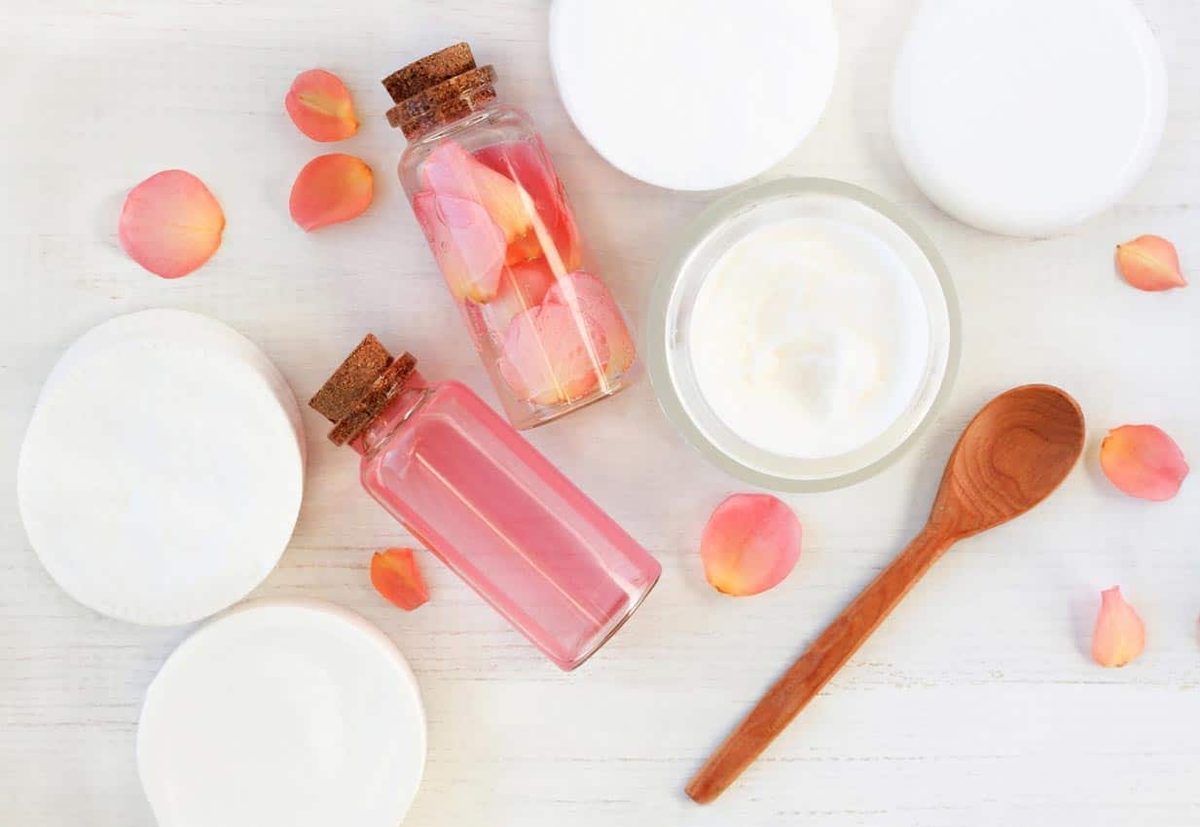
Rose water, sandalwood, plantain juice
Rose water, technically called rose hydrosol, is more than just a pretty scent. Because it contains active ingredients, it stimulates the skin. Combine with sandalwood essential oil. This combination has strong regenerative and disinfecting properties.
I will show you how to make a simple treatment mask. Prepare a very fine green clay. Mix 15 drops of sandalwood essential oil. Add the rose water little by little. Mix until a thick paste forms. Apply directly to specific areas of the face. Repeat this 2-3 times a week. Remember: Use only on closed scars and healed acne. Never apply it to open wounds.
Plantain leaf juice treats inflammation
Plantain leaf juice is another heavy hitter. Known for its wound healing and anti-inflammatory properties. You can find it in pharmacies and health food stores.
Apply the juice directly to the scar. Use a cotton swab to ensure accuracy. It helps fade marks while soothing irritated skin. Use this two to three times a week.
Cocoa butter promotes collagen
Cocoa butter just doesn’t smell good. Nourishes the skin. It also stimulates collagen production and new cell growth. This can significantly speed up the fading of acne scars.
Use organic cocoa butter if possible. Massage onto your face in circular motions. This allows the product to be absorbed into the skin better. You can use this method two or three times a week. Combine it with an exfoliant like tomato peel or baking soda for added benefits.
The goal here is not perfection. It’s consistency. Your skin changes slowly. These natural selections support this process. They don’t work overnight. But they work. For many, this is enough.