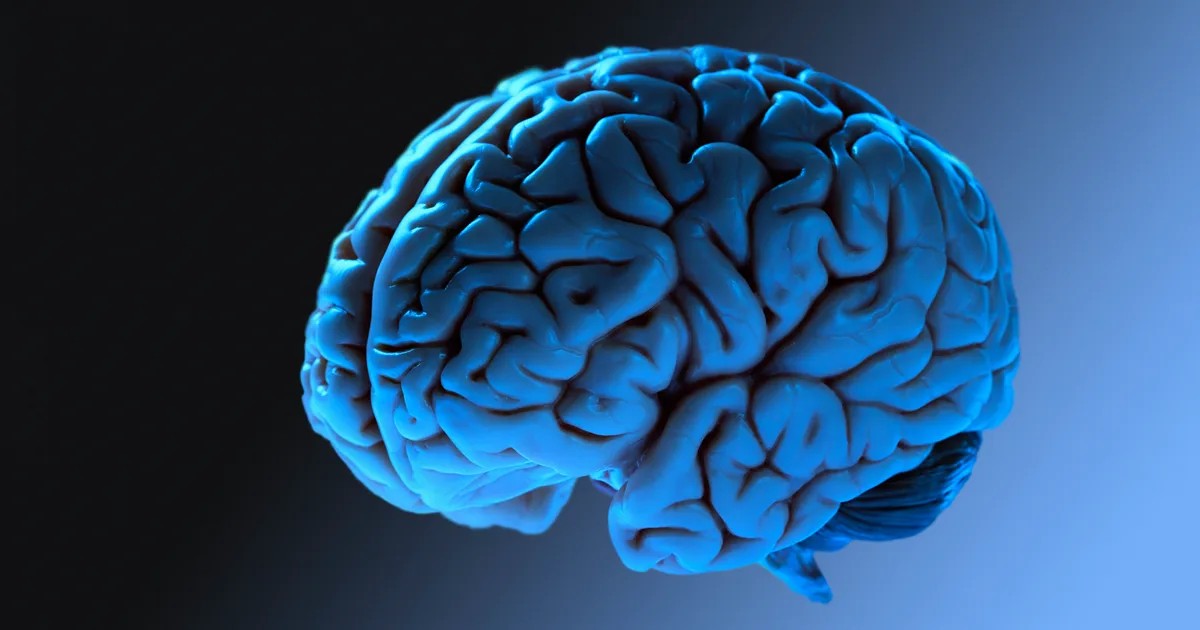
Recent findings published in Nature Communications reveal that the human brain doesn’t fully mature until around age 32—significantly later than previously understood. Researchers at the University of Cambridge have identified distinct “epochs” of brain development, challenging conventional timelines of adulthood. This matters because understanding these phases helps explain cognitive shifts, health risks, and the biological realities of aging.
Brain Development: A Lifelong Process
The study categorizes brain development into five phases, marked by turning points at ages 9, 32, 66, and 83. The childhood brain undergoes rapid growth until age nine, transitioning into an adolescent phase that continues for over two decades. This prolonged adolescence isn’t about behavioral immaturity; rather, the brain maintains high plasticity and efficiency during this period.
Dr. Alexa Mousley, the study leader, clarifies that this prolonged adolescent phase simply means that brain functionality remains in a growth state until age 32. The most dramatic shift occurs at this age, marking the beginning of the adult epoch.
The Adult Epoch and Beyond
From ages 32 to 66, the brain enters its longest phase—a period of relative stability in intelligence and personality. This doesn’t mean stagnation ; rather, cognitive function plateaus as the brain consolidates its growth. After 66, the brain enters an early aging phase with gradual connectivity decline. By age 83, the final late-aging phase is characterized by reduced brain connectivity and reliance on specific regions.
These changes align with increased health risks later in life. Hypertension, common in older adults, can accelerate cognitive decline. The study analyzed data from 3,802 neurotypical participants using MRI scans, revealing these age-related shifts in brain compartmentalization and nerve fiber integrity.
Maintaining Cognitive Health
While brain aging is inevitable, lifestyle choices can mitigate decline. The study emphasizes the importance of:
- Sufficient sleep: Seven to nine hours nightly.
- Managing chronic conditions: Controlling high blood pressure and blood sugar.
- Healthy diet: Prioritizing fruits and vegetables.
- Social engagement: Maintaining strong relationships.
- Mental stimulation: Engaging in learning, puzzles, or creative activities.
- Regular exercise: Promoting neurogenesis and cognitive speed.
Neurologist S. Ausim Azizi of Yale School of Medicine notes that exercise increases the formation of new brain cells, boosting memory and cognitive function.
Conclusion
The Cambridge study confirms that the human brain develops later than previously thought. Understanding these developmental epochs is critical for medical interventions and lifestyle adjustments. Though genetic factors play a role, prioritizing brain-healthy habits can optimize cognitive function throughout life.