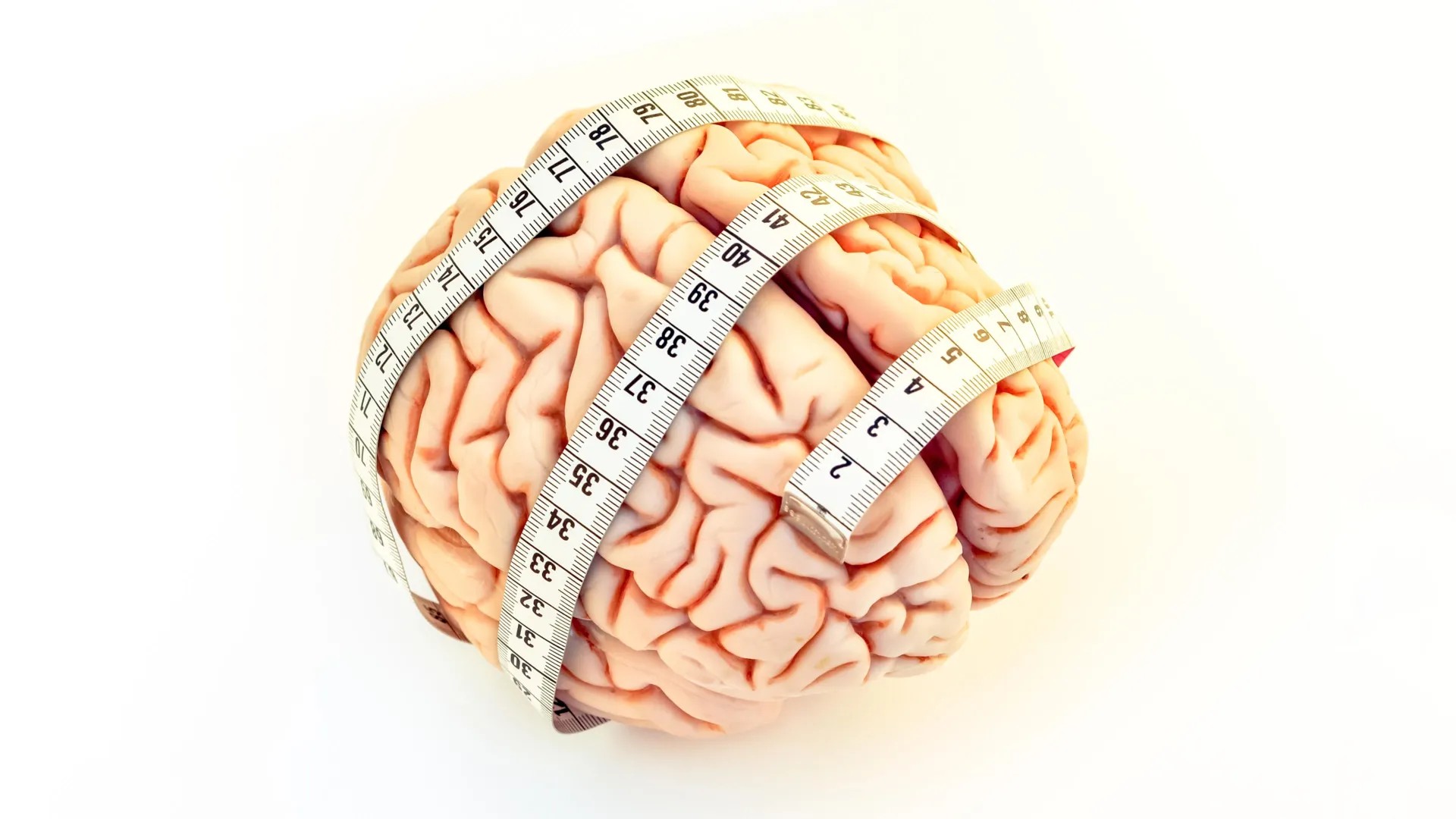
New research suggests a significant connection between prenatal estrogen levels and brain development in human males. A study led by Professor John Manning at Swansea University, in collaboration with Istanbul University, reveals that higher estrogen exposure in utero is associated with larger head circumference in newborn boys – a key indicator of brain size. This finding supports the evolutionary idea that increased brain capacity may have come at a biological cost for men.
The 2D:4D Ratio Explained
The study focuses on the 2D:4D ratio, a measurement comparing the length of the index (2D) to ring (4D) fingers. This ratio reflects the hormonal environment a fetus experiences during the first trimester, with higher ratios indicating greater estrogen exposure. Higher estrogen levels are now linked to bigger brain size in males. The team analyzed 225 newborns (100 boys, 125 girls) and observed a clear pattern: boys with higher 2D:4D ratios had larger heads at birth. This correlation was not found in girls.
Evolutionary Tradeoffs
The findings align with the “estrogenized ape hypothesis,” which proposes that brain size increases in human evolution coincided with feminizing skeletal changes. While larger brains may have been advantageous, they may also correlate with increased health risks for males. Professor Manning notes that high 2D:4D ratios in men have been previously associated with a higher incidence of heart problems, lower sperm counts, and a predisposition to schizophrenia. However, the evolutionary pressure for bigger brains might have outweighed these drawbacks.
“The drive for larger brains in humans may inevitably be linked to reductions in male viability, including cardiovascular problems, infertility, and schizophrenia rates.”
Beyond Brain Size: The Broader Significance
Professor Manning’s previous work demonstrates the 2D:4D ratio’s wide-ranging influence. Earlier studies have tied finger length to alcohol consumption, Covid-19 recovery, and even athletic performance. This suggests that a seemingly simple anatomical trait may reflect fundamental developmental forces.
The research underscores the complex interplay between hormonal exposure, brain development, and evolutionary trade-offs. While larger brains may have driven human progress, they may also carry inherent biological costs for men.