
You want smooth skin. The razor glides across your legs or bikini line. You rinse off, towel dry, and wait five minutes. Then the itching starts. Or worse, the red bumps rise up like tiny volcanoes. It is not inevitable. It is not just bad luck. It is usually a mismatch between your routine and your skin’s actual needs.
Most women treat shaving like a quick chore. They rush it. They use dull blades. They skip prep. The result is irritation. The result is razor burn. The result is that rash that looks like a breakout but is actually inflammation.
Here is the truth. Shaving removes the top layer of dead skin cells. It also exposes fresh nerve endings. If the blade drags or the skin is dry, the trauma sets off an immune response. Your body sends white blood cells to the area. Pustules form. Follicles get clogged. It is a cycle. But the cycle can be broken.
“Shaving isn’t just about removing hair. It’s about respecting the skin barrier.”
Stop treating your skin like a rugged floor. It is not. It is delicate tissue. You need a plan. A real plan. Not just “use lotion.”
Prep Is Non-Negotiable
You cannot shave dry skin. Ever. Friction is the enemy. Friction causes micro-tears. Micro-tears invite bacteria. Bacteria cause bumps.
Before the razor touches your skin, you must soften the hair. Warm water does this best. A hot shower helps. Let the steam work for three minutes. This expands the hair shaft. It makes cutting easier. No pulling. No tugging.
If you are in a rush? Use a warm washcloth. Hold it against the area. Wait. Then go.
Next. Exfoliation. But not harsh scrubbing. Scrubbing inflames already sensitive skin. Use a gentle chemical exfoliant if you can. Salicylic acid or glycolic acid. They clear out the follicle opening. They let the hair grow straight out instead of curling back into the skin. Ingrown hairs are a major cause of post-shave bumps. Clear the path before you cut.
The Right Tools Matter More Than You Think
Your blade is old. Admit it. You have used it three times. It is dull. A dull blade tugs. It drags. It tears.
Change your blade every five to seven shaves. That is a rule. Not a suggestion. If it feels rough. Stop. Replace it.
Which razor is best? A single-blade safety razor is often gentler than a multi-blade cartridge. Multi-blade razors lift the hair and cut it below the skin line. This increases the risk of ingrown hairs. The hair is trapped under the surface. It grows back into the skin. A single blade cuts at the surface. It reduces that risk significantly.
Use a lubricating shave gel. Not soap. Soap strips natural oils. Soap dries you out. Look for a gel with aloe or oat extract. Avoid fragrances. Fragrance is an irritant. It adds noise to a system that is already screaming for help.
The Technique: Less Pressure, More Flow
You do not need to press down. Pressing forces
The routine you’re skipping is causing your razor bumps
You shave every day. It’s automatic. Your hand moves without you thinking about it. That’s the problem. When you stop paying attention, bad habits creep in. You start ignoring the small things that prevent razor bumps. Here is how you actually get it right.
First, you have to prep. Cold water doesn’t cut it. Hot water opens the pores. It loosens dirt and relaxes the skin. Think of it as waking up your face for the work ahead. Clean skin is non-negotiable. Dirt and bacteria cause infection. Wash your face thoroughly before you even touch the razor.
Once clean, apply your shaving product. This isn’t just for luxury. It protects the skin. It gives the blade something to glide over. No product means friction. Friction means cuts. And cuts mean inflammation.
Which product you choose depends on your skin type. Soap is classic. It hydrates deeply. Gel is better for sensitive skin. It shields the epidermis from the blade’s heat. Some gels offer extra benefits like healing properties or deep softening. Pick what works for your specific needs.
Now for the shave itself. This is where most people mess up. Shave with the grain. Not against it. Not across it. With it. Your hair grows in different directions on your face and neck. Map it out. If you go against the grain, you aren’t just getting closer. You are digging into the skin. You are inviting ingrown hairs and bumps.
Use your free hand to stretch the skin tight. Flat skin is easier to shave safely. No loose folds. No missed patches.
Rinse off the excess foam immediately. Leaving it there can trigger a micro-infection. You don’t want bacteria sitting on freshly exposed skin. Finish with cold water. It closes the pores. It rebuilds the skin barrier. Pat dry with a towel. Do not rub. Rubbing irritates raw skin.
Choosing the right post-shave care
Good habits during the shave are only half the battle. What you do after matters just as much. You need to calm the burn. Soothe the skin. Heal tiny nicks. Refresh the complexion.
Don’t use the old-school alcohol-based lotions. You might have seen your father or grandfather slap on that burning liquid. It kills bacteria. But it also dries out your skin. Dry skin cracks. Cracked skin gets infected. It leads to those ugly bumps you are trying to avoid.
There are better options now. Look for alcohol-free formulas. Natural ingredients work wonders. They are gentler. They heal without stripping moisture.
Chamomile is a top pick. It soothes irritation. It takes the heat away. Aloe vera is another hero. It helps wounds heal faster. It hydrates deeply. It calms redness. Green tea is also effective. It softens the skin. It prevents irritation from coming back.
These ingredients don’t just sit on the surface. They work with your skin’s biology. They repair the damage the blade caused. You want a finish that feels balanced. Not tight. Not stinging. Just clean and calm.
The goal isn’t just to remove hair. It’s to maintain skin health. Ignoring the post-shave step negates all the preparation you did earlier.
If you skip the good post-shave routine, you’re setting yourself up for failure. The razor creates micro-trauma. You need to seal that gap. Hydrate. Protect. Soothe.
It sounds simple. It is. But simplicity requires consistency. One bad shave routine can undo weeks of good care. Don’t let autopilot ruin your results. Pay attention to what goes on your face. And what stays on it.
The skin on your neck and face is delicate. Treat it like it. Because it is.
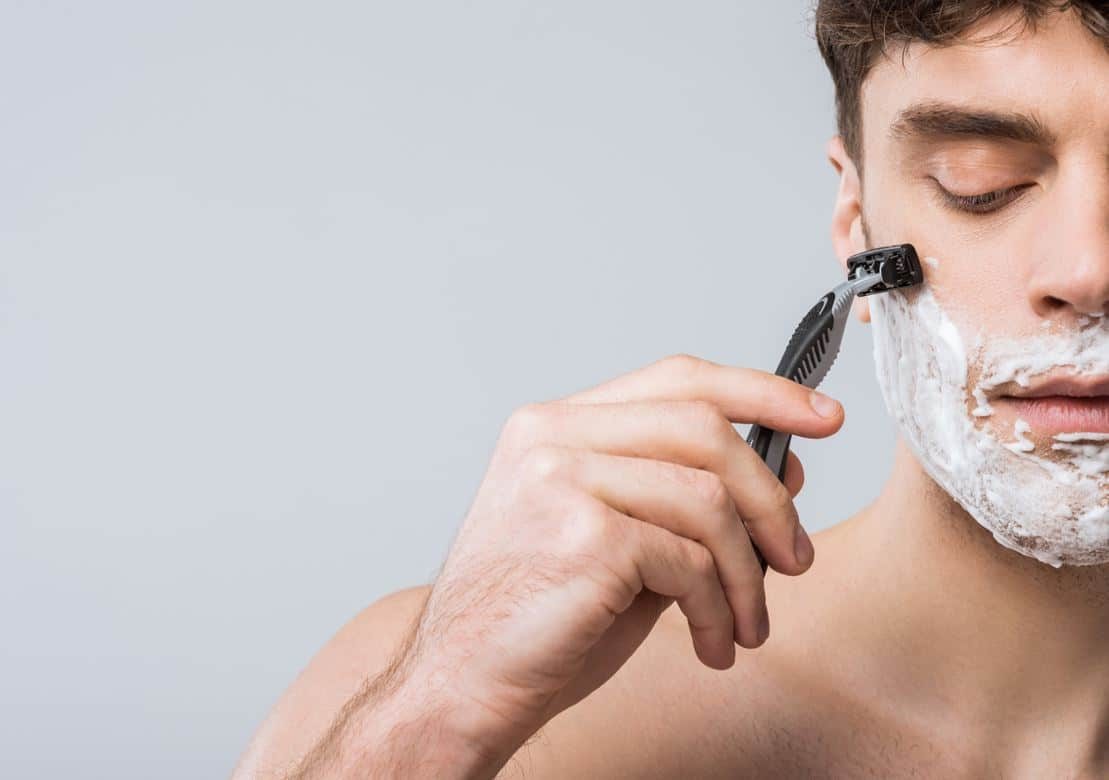

Why exfoliation is your best defense against post-shave bumps
Getting the pre- and post-shave routine right eliminates a lot of risk. But if you want to go further? Integrate exfoliation into your routine. It’s not just about scrubbing; it’s about removing dead cells and daily impurities. More importantly, it softens the skin and helps free up ingrown hairs before they cause trouble.
There are dozens of scrubs on the market. Pick a gentle formula. Your skin is already taking a beating from the razor blade. You don’t need to add chemical irritation to the mix.
If you prefer DIY, this mild recipe works for almost every skin type.
- Mix one teaspoon of table salt or baking soda in a bowl.
- Add a splash of water to create a paste.
- Apply to your face using small circular motions. Steer clear of the eye area.
- Let it sit for five to ten minutes.
- Rinse thoroughly.
The hidden cost of dull blades
Once your skin is prepped and exfoliated, look at your tools. Are they clean? Sharp?
Dull blades are a trap. They pull at the hair instead of cutting it cleanly. This leads to micro-infections. It also causes those dreaded bumps. Plus, the shave just isn’t as close.
Watch for signs of wear. The moment your razor feels resistant, swap it out. Whether it’s a disposable cartridge or a replacement blade for a safety razor, don’t wait. Fresh steel makes a tangible difference in how your skin looks the next day.