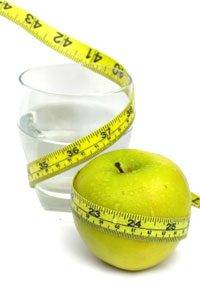
Dieting isn’t just a hobby here. It’s woven into the fabric of American culture. You wake up, check your phone, and half the country is already counting calories or swearing off carbs. Just look at the alphabet soup of fads that pop up every few years:
- The Atkins Diet
- The Cabbage Soup Diet
- The Grapefruit Diet
- The Hollywood Miracle Diet
- The Rice Diet
- The Scarsdale Diet
- The South Beach Diet
- The Zone Diet
You know these names. You’ve probably tried one or two. Or maybe you just scroll past them with a tired sigh.
We’re going to dig into why weight gain feels so inevitable. Then we’ll look at the actual mechanics of diet and exercise that keep you stable. Not the marketing fluff. The biology.
Your Body Is Too Efficient
Ever wonder why gaining weight feels like the default setting? Especially after 30? It’s not just willpower. It’s efficiency.
Your body is a miracle of energy conservation. It barely needs fuel to keep you alive.
At rest—sitting on the couch, scrolling, staring at the wall—your body burns roughly 12 calories per pound of body weight per day. That’s about 26 calories per kilogram.
Do the math. If you weigh 150 pounds (68 kg), your baseline usage is:
150 X 12 = 1,800 calories per day
That number isn’t magic. It’s an estimate. But it’s close.
Those 1,800 calories pay for everything vital:
- Your heart beating.
- Your lungs breathing.
- Your brain firing thoughts.
- Keeping your core temperature from dropping.
It doesn’t stop there.
Movement is also incredibly efficient. Run a marathon—26 miles or 42 km—and you’ll burn about 2,600 calories. That’s roughly 100 calories per mile. Or 62 calories per kilometer.
Compare that to a car.
A typical US car gets 15 to 30 miles per gallon. A gallon of gas holds about 31,000 calories. If you could drink gasoline instead of eating burgers, you could run 26 miles on just one-twelfth of a gallon (0.3 liters).
Do the conversion. You get over 300 miles per gallon (120 km/L).
Hop on a bike and that jumps to over 1,000 miles per gallon (more than 500 km/L).
Your body is a hybrid engine. It sips fuel. It doesn’t burn it.
That efficiency is why gaining weight is so easy. Adding calories is simple. Burning them off is hard work.
Taking Calories In
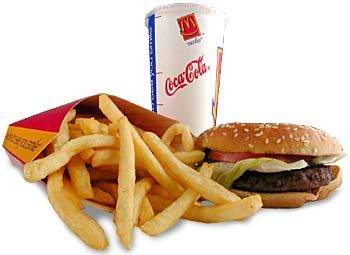
The number 1,800 calories often cited as a baseline for daily energy needs sounds manageable until you actually see what that looks like on a plate. It is not a lot of fuel. Yet, many people treat their daily intake as if it is an unlimited resource, especially when eating out. A single trip to a drive-thru can easily consume that entire allowance before noon.
Consider a typical run to McDonald’s. Order the Big Xtra meal. You get a sandwich, large fries, and a large Coke. The math is stark. The sandwich alone clocks in at 710 calories. The fries add 540 calories. The drink brings another 310 calories. Together, that one meal totals 1,560 calories. You have burned through most of your daily quota with just one sitting.
Eating out often feels like a treat, but the caloric density of fast food can silently derail your health goals.
Add a dessert, and the situation gets worse. A McDonald’s M&M McFlurry adds 630 calories. Now you are sitting at nearly 2,200 calories for a single meal. You have exceeded your entire daily requirement. This is not just about weight gain. It is about how your body handles that sudden surge of energy and sugar.
Pizza presents a similar trap. Go to Pizza Hut. Order a Meat Lover’s Pan Pizza. Each slice packs 360 calories. Eat three slices, and you are at 1,080 calories. Add a large drink, and you hit 1,390 calories. That leaves you with only 410 calories for the rest of the day. How do you feel when you try to fit the rest of your life into that small remainder?
It is easy to think of these calories as abstract numbers. They are not. They are physical fuel. When you consume them quickly, your body has to work hard to process them. The sugar in the soda spikes your blood glucose. The fat in the fries slows digestion. The protein in the pizza sits heavy in your stomach. You are not just eating food. You are managing a chemical load.
Why do we do this? Convenience. Speed. Taste. Fast food is designed to hit those pleasure centers in the brain. It is engineered to keep you coming back. But the cost is high. You end up feeling sluggish, bloated, and often guilty. The cycle repeats. You eat poorly because you are tired. You are tired because you ate poorly.
Breaking this pattern starts with awareness. Know what is in your food. Read the labels. Ask for the nutrition guide. It is not about restriction. It is about choice. You can still enjoy a burger. You can still have pizza. But do it with your eyes open.
The goal is not to eliminate fast food entirely. It is to make it intentional. If you know a meal will cost you 1,500 calories, plan the rest of your day around it. Maybe you skip breakfast. Maybe you take a longer walk. Maybe you just accept that today was a treat day.
But if you are trying to maintain weight, or lose a few pounds, those hidden calories add up fast. One meal a week might not matter. Three meals
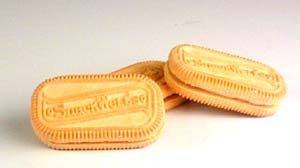
It takes zero effort to eat yourself into a surplus. Consider SnackWell’s Crème Sandwich Cookies. You might think they are a “diet food” because they are marketed as lower-fat or lower-calorie alternatives. But if you eat twelve of them, you have consumed 660 calories. That is more than a third of your entire daily caloric intake for the average person.
This isn’t about shaming specific brands or products. I have two kids. I go to McDonald’s at least once a week. I am not preaching moral superiority here. The point is simpler and more frustrating: in America and most developed nations, access to calories is terrifyingly easy. We are surrounded by it.
The Typical Day Calorie Trap
We are over-worked. We are over-booked. We are stretched thin. When you are exhausted, convenience wins. You do not have the mental bandwidth to weigh ingredients or plan balanced meals. So, you grab what is fast.
Here is what a typical day looks like for many of us:
- Breakfast: Two Pop-Tarts®.
- Lunch: A meal from Pizza Hut.
- Afternoon Snack: SnackWell’s cookies and a cola.
- Dinner: McDonald’s.
- Evening: A bag of potato chips while watching TV.
It sounds ridiculous until you tally it up. That menu can easily hit 3,000, 4,000, or even 5,000 calories. And you didn’t even try. You just lived your day.
Your body is an efficient storage machine. It does not care if those excess calories came from a salad or a double cheeseburger. It sees surplus energy. It converts that energy into fat. It saves it for a “rainy day” that may never come.
The math is brutal in its simplicity. It takes 3,500 excess calories to create one pound of new body fat. If you eat just 500 calories more than your body needs each day, you gain a pound a week. 500 calories is nothing. It is one large ice cream cone. It is a handful of cookies. Weight gain in our current environment is completely effortless. Food is everywhere. It is cheap. It is ready.
The Mechanics of Weight Loss
Let’s say you are overweight. You want to lose those extra pounds. How do you do it? You must burn off 3,500 calories. You have to consume 3,500 fewer calories than your body uses over a period of time.
Assume you weigh 150 pounds. At rest, your body needs about 1,800 calories a day to keep your heart beating and lungs breathing. Here are the ways you can create the necessary deficit.
- Starve in bed. You lie there all day. You burn 1,800 calories. You eat zero. You create an 1,800-calorie deficit daily. You lose a pound every two days. This is unhealthy, dangerous, and impossible to sustain.
- Eat less. You cut your intake to 1,500 calories a day. You create a 300-calorie deficit. You lose a pound every 12 days. This is realistic. It requires discipline, but it is doable.
- Exercise without changing diet. You eat your normal 1,800 calories. But you jog two miles (3.2 km) every day. You burn an extra 200 calories. It takes 18 days to burn a pound of fat.
- Eat more and run more. You eat 2,500 calories a day. You run 10 miles. You burn 1,800 at rest plus 1,000 running. Total burn: 2,800. Deficit: 300. You lose a pound every 12 days. You are eating more food, yet still losing weight.
The core truth is this: You must consume fewer calories per day than your body needs. Every 3,500-calorie deficit equals one pound of fat loss. You can achieve this by restricting food, increasing movement, or both.
Most diet plans, from Weight Watchers to the grapefruit diet, rely on this same principle. They are just tools to help you lower that daily intake. Nothing more.
Why Most Diets Fail
Diets fail because they are not sustainable. They create a temporary deficit. When you stop the diet, you return to your normal habits. The weight returns.
Let’s look at the math of slow weight gain.
You weigh 150 pounds. Your resting metabolism burns 1,800 calories. Your daily movement—walking upstairs, carrying groceries, fidgeting—burns another 200. Your total daily need is 2,000 calories.
Now, imagine you consume 2,050 calories. Just 50 extra calories a day.
Your body stores that surplus. It takes 70 days to accumulate 3,500 excess calories. (3,500 / 50 = 70). In two months, you gain one pound.
If that 50-calorie surplus continues for a year? You gain 5 pounds.
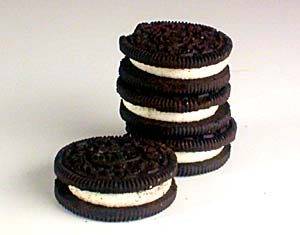
This is the pattern for a huge portion of the U.S. population. We do not binge every day. We just slightly over-consume. It adds up. And remember, just one Oreo-type cookie contains about 50 calories. It is incredibly easy to miss those calories. You don’t even notice. You just keep gaining.
The problem isn’t that you lack willpower. It’s that the system is rigged against maintaining a deficit. You are fighting biology and an environment designed to feed you constantly.
You start the “Get Slim Miracle Diet.” The rules are simple, brutal, and specific. Two cups of brown rice. One can of Vienna sausages. All the onions you want. That’s it. You are looking at roughly 1,000 calories a day. To make matters worse, you add two miles of jogging to the mix.
That creates a deficit of about 1,200 calories daily. Math is cold. 3,500 calories equals one pound of fat. Divide that by 1,200, and you lose a pound roughly every three days. Do this for two months. You drop 20 pounds. It feels like magic.
Then the diet ends.
What happens next? You are starving. You have been surviving on rice and canned meat for sixty days. Your brain screams for flavor, for volume, for anything but plain brown rice. You likely eat way more than usual in the immediate aftermath. Then you slide back into your old habits. The old normal. And the weight returns.
This is the trap. Most diets fail not because the math is wrong, but because the lifestyle is unsustainable. You lose weight, but you can’t keep it because you can’t keep the diet. The goal isn’t a quick drop. It is a sustainable approach to food and movement that fits into a real life.
Why Extreme Restrictions Backfire
The problem with the miracle diet isn’t just the lack of variety. It’s the psychological toll. When you restrict severely, your body and mind rebel. You aren’t building habits. You are just enduring a punishment until it’s over.
Once the punishment ends, the old behaviors return. And because you’ve lost muscle mass along with fat (a common side effect of severe restriction and low protein intake), your metabolism may slow down. You eat your “normal” amount of food now, but your body burns fewer calories than before. The weight creeps back on. Often, it comes back heavier than it left.
Building a Sustainable Diet
A sustainable diet isn’t about perfection. It’s about consistency. It’s about eating foods you enjoy in reasonable portions while maintaining a slight calorie deficit or maintenance level.
- Focus on Whole Foods: Fill half your plate with vegetables. Add lean protein to every meal. Include healthy fats. Brown rice is fine, but so is quinoa, sweet potatoes, or whole grain pasta. Vienna sausages? Maybe once a month as a treat, not a staple.
- Calculate Your Needs: Don’t guess. Use a TDEE (Total Daily Energy Expenditure) calculator. Subtract 300-500 calories for steady loss. This is less aggressive than 1,200, but it’s a deficit you can maintain for months, not days.
- Move in Ways You Enjoy: Two miles of jogging is great if you love jogging. If you hate it, you won’t stick with it. Try swimming. Dancing. Weight training. Strength training is particularly important for preserving muscle mass while losing fat.
- Plan for Relapses: You will have days where you eat too much. You will have weeks where you stop exercising. This is normal. It’s not failure
Stop Guessing, Start Counting
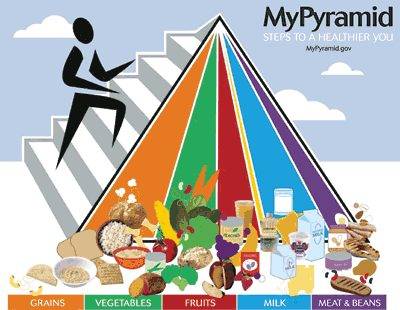
The new USDA Food Pyramid might look different on paper, but the math hasn’t changed. Building a sustainable diet and exercise plan is the only real way to keep weight off consistently. Let’s be honest—it’s hard. The landscape is literally covered with calories. Exercise takes time and energy you often don’t have.
If you want to fix this, you have to start counting. Not vaguely. Not “I think I had a small snack.” You need to count.
The first step is to become obsessed with the calories you consume in a single day. You need to wake up to two hard truths:
- You must understand exactly how many calories you are eating on a “normal” day.
- You need to build a mental calorie database. You should know instantly how much energy any given bite supplies.
In the United States, the FDA requires nutritional labels on packaged grocery items. Use them. Chain restaurants also provide this data on their websites or in-store. If you don’t have the info, look it up. You cannot manage what you do not measure.
The second step is determining your personal limit. You can use the rough “12 calories per pound” rule. Or, if you want precision, look at the formulas for how calories work. Pick your ideal weight —the number you actually want to maintain. Then calculate the daily limit that keeps you there.
The third step is the reality check. Compare your intake to your limit. You might be startled by the gap. That difference? That’s where the extra pounds live.
The fourth step is closing the gap. You will quickly realize that 1,600 or 1,800 or even 2,000 calories per day isn’t a lot. You have to watch everything. Every sip. Every crumb. Stick to the limit.
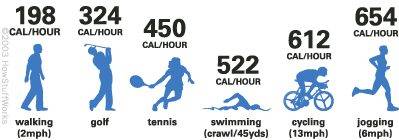
The fifth step? Add exercise. It raises your daily ceiling. Online calculators show you exactly how many calories different activities burn. Burning an extra 250 or 500 calories a day through movement changes the game entirely.
Cutting Calories Without Starving
Reducing intake doesn’t mean suffering. It means strategy. Here are concrete ways to drop the numbers without losing your mind:
Track everything. Keep a daily journal. Stick an index card in your pocket. Write down every single thing you eat and drink. If it goes in your mouth, it goes on the card. No exceptions.
Ditch the drink calories. Stop drinking your food. Cola, orange juice, beer—they are calorie bombs that do absolutely nothing for your appetite. Drink water.
Consider the orange vs. orange juice comparison. It’s telling. If you drink 10 ounces of orange juice, you swallow 140 calories. Your appetite doesn’t budge. If you eat the orange, three things happen:
- You consume fewer calories.
- You chew it, which triggers a psychological sense of satiety.
- The physical volume fills your stomach.
The juice gives you nothing but sugar. The fruit gives you fullness. This rule applies to all caloric beverages. The calories enter. The hunger remains.
Eliminate white sugar. This single move wipes out a huge category of high-calorie junk:
- cookies
- cake
- ice cream
- cola
- candy
- candy bars
Refuse foods loaded with sugar. You’ll naturally eliminate entire aisles of snack foods. It’s that simple.
Cut the fryer. Fried foods are calorie-dense nightmares. Eliminate them:
- potato chips
- cheese crisps
- french fries
- onion rings
- donuts
- fritters
- fried chicken
Deep-fried fat packs tons of calories into tiny spaces. Remove sugar and fried foods, and you’ve cleared out most high-calorie snacks.
Swap density for volume. Replace high-density foods with low-density ones. A cookie is high-density. It’s sugar and fat packed into a small space. One or two bites hits 50 or 100 calories. Gone. A banana is low-density. It takes more bites to eat, but you only get 100 calories. You’re eating more, chewing longer, and staying fuller for the same energy cost.
Does your snack bar really need to be a calorie bomb? Or can you find something that lets you stop when you’re full, not when you’re empty?

Volume Eating and the Density Trap
Think about the math of satiety. An apple is basically water and fiber wrapped in skin. It weighs a lot for very little energy. This is the concept of food density, and it is your secret weapon against hunger.
Try this mental experiment. Most people could easily knock down a dozen Oreo-style cookies in one sitting. Or a dozen SnackWells. That’s roughly 600 calories. Now, imagine trying to eat six bananas in one go. You would feel like you were going to burst. Yet, those six bananas are also about 600 calories.
The difference is volume. Bananas and apples are low-density foods. They fill your stomach physically without flooding your bloodstream with energy. You feel full. You stay full.
When you look for low-density options, you are looking for foods that take up space but not calories.
– Natural fruits and vegetables
– Unsweetened cereals like shredded wheat
– Plain rice cakes
– Popcorn without butter
– Whole-grain bread with high fiber content
– Brown rice
Conversely, high-density foods pack a lot of calories into a small bite. These are the ones high in sugar and fat. Nuts. Meat. Candy. Cookies. Crackers. Potato chips. Fried anything. Cola. Beer. You know the drill. These are the items to avoid if you want to manage your intake without feeling deprived.
There is also a psychological trick here. Ditch the baggy sweats. Wear form-fitting clothes. It sounds trivial, but tight fabric acts as a subliminal reminder. Every time you zip a zipper or pull on a pair of jeans that fit, you get a signal of what you are trying to accomplish. It keeps the goal present in your mind.
If you stick to low-density foods, keep calories consumed below calories burned, and move your body, the result is predictable. You lose fat. You maintain a consistent weight. No magic. Just physics.
Making Exercise a Habit
Exercise is the other side of the equation. It increases the number of calories you burn each day. Tools like online exercise calculators can show you exactly how many calories a specific activity burns, helping you plan better. But the real key is integration. You need to weave movement into the fabric of your life.
Don’t wait for a two-hour gym session. That is hard to sustain. Instead, look for ways to fit exercise into your existing routine.
-
Find something you can tolerate. Ideally, you enjoy it, but tolerance is a start. Walk. Ride an exercise bike while watching TV. Hit the gym during your lunch hour. Do it daily for 30 to 60 minutes.
-
Look for micro-exercises. These are the tiny movements that add up. Take the stairs instead of the elevator. Park at the far end of the parking lot when you go shopping. These small choices accumulate over time.
-
Keep weights at your desk. Use them three or four times a day while you are on the phone or thinking through a problem. Light resistance training keeps muscles engaged without requiring a dedicated workout block.
-
Find a partner. For many, exercise is a social activity. Having someone to talk to makes the time pass faster. A partner also creates accountability, turning exercise into a routine rather than a choice you make every morning.
-
Aim for daily movement. It is easier to remember something if it happens every day. Consistency beats intensity when you are building a long-term habit.
The goal isn’t to become an athlete. It’s to keep the engine running. If you combine low-density foods with daily movement, you create a sustainable path to weight management. It’s not about perfection. It’s about showing up for your body, again and again.
You can do this. The tools are there. The science is clear. The rest is just deciding to start.
You have probably seen the ads. The ones screaming that you can drop fifty pounds in six weeks without lifting a finger or changing your diet. You know the ones. They promise an enzyme-driven fat-burning cycle that works while you sleep.
It is tempting to believe it. Especially when you are tired of counting every bite or feeling like you are fighting a losing battle against your own metabolism.
But here is the hard truth. There is no magic switch. There is no passive device—acupressure rings, special bracelets, or detox soaps—that will melt fat off your body. If there were, the people inventing them would be billionaires, not selling $20 gadgets on infomercials.
The reality of weight loss is boring. It is simple. And it is often frustratingly difficult. But it is grounded in physics, not magic.
The “Calorie is a Calorie” Debate
Let’s start with the biggest myth: that the type of calorie matters more than the amount.
Science says a calorie is a unit of energy. If you eat 4,000 calories from white sugar, your body gets 4,000 calories. If you eat 4,000 calories from fat, your body gets 4,000 calories. The math doesn’t care about the source when it comes to raw energy balance.
Now, I’m not saying nutrition doesn’t matter. Quality food affects hunger hormones, inflammation, and how you feel. But when it comes to the fundamental equation of weight change—energy in versus energy out—the source is secondary to the total load.
This leads directly to the next trap: the low-fat trap.
The Low-Fat Illusion
For decades, we were told that fat made you fat. So we swapped fat for sugar. We bought the “fat-free” yogurt, the “light” dressings, the snack cakes that promised guilt-free indulgence.
Here is what happened. Manufacturers removed the fat. They also removed the satisfaction. And to make it taste good, they added sugar.
A product can have zero grams of fat and still be packed with calories. In many cases, the fat-free version has more calories than the regular version. You end up eating more, getting hungrier sooner, and gaining weight faster than if you had just eaten the real thing.
Fat keeps you full. It slows digestion. It is not the enemy. The enemy is excess calories, regardless of whether they come from a stick of butter or a bag of gummy vitamins.
The Physical Impossibility of Rapid Loss
Let’s talk numbers. Because the ads love to use them to sell lies.
One pound of body fat is roughly equivalent to 3,500 calories.
If you see an ad claiming someone lost 54 pounds in six weeks, do the math.
- 54 pounds x 3,500 calories = 189,000 calories to lose.
- 189,000 calories / 42 days = 4,500 calories burned per day.
To burn 4,500 calories a day, you would have to eat absolutely nothing and run a marathon every single day for 42 days.
You would not just lose weight. You would collapse. You would be hospitalized. You might die.
The only way to lose that kind of weight that fast is through severe dehydration or amputation. The ads are lying. They are selling hope to people who are desperate. And desperation is a powerful marketing tool.
Do not fall for the “lose 10 pounds this weekend” headline. It is physically impossible for fat loss. Any quick drop is water weight, muscle mass, or gut content. It comes back just as fast.
The “Enzyme-Driven” Scam
You will also see supplements claiming to trigger an enzyme-driven fat-burning cycle. Ingredients like nettle seeds or apple pectin are often marketed as secret weapons that burn calories 24 hours a day.
No.
There is no enzyme that turns off the laws of thermodynamics. Your body is efficient. It burns what it needs and stores what it doesn’t. Supplements might boost your heart rate slightly, or act as a diuretic, but they do not create a perpetual motion machine for fat loss.
The Mental Game
So, what actually works?
It comes down to one thing: you must eat fewer calories than you burn.
This is not complex. It is basic arithmetic. But arithmetic is hard when you are stressed, tired, or surrounded by cheap, hyper-palatable food designed to make you overeat.
Some people are naturally bigger. Some people burn more calories just by existing. Some people have slower metabolisms. That is biology. Just as some people are taller than others, some bodies require more energy to function.
You need to find your number. How many calories does your body burn in a day? It varies by age, weight, height, and activity level. Once you know that number, you consume less than it. Or you move more. Or both.
It is a mental game. You have to fight the psychology of hunger. You have to deal with the social pressure of eating. You have to accept that progress is slow.
There is no shortcut. There is no passive device. There is only the work.
If you want to dig deeper into the science, there are resources available. Look into how fat cells actually work. Read about how