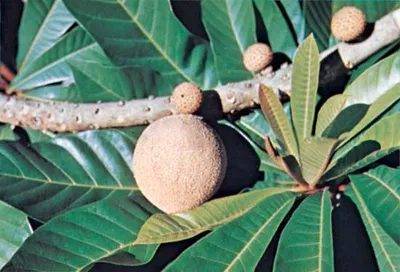
You might not find sapote at your local supermarket, but if you are in the right tropical or subtropical climate, it is worth seeking out. This fruit is not just one thing. The name applies to several distinct plants, each with its own flavor profile and botanical family. Most people talking about “the” sapote are referring to Pouteria sapota, the classic sapodilla. But there is also the black sapote, which tastes like chocolate pudding, and the white sapote, which has a delicate, creamy texture. Understanding the differences helps you avoid buying the wrong fruit or being confused by the label at a farmers market.
The Classic Sapote (Pouteria sapota )
The true sapote belongs to the Sapotaceae family. It is an evergreen tree that can reach a staggering 23 meters (75 feet) tall. The wood is hard and reddish, making it durable, though you are there for the fruit, not the timber. Native to Central America, this tree has spread northward and is now cultivated in places like the southeastern United States.
The fruit itself is small compared to the massive tree. It is roughly spherical, measuring between 5 and 10 cm (2–4 inches) in diameter. The skin is a rusty brown color. Inside, you find reddish-orange flesh. The texture is creamy. The flavor is mild and musky-sweet. It is not intensely sweet like a mango, but it has a rich, lingering sweetness. Each fruit holds a single large, shiny brown seed.
People eat this fruit fresh. You can scoop it out of the skin like an avocado. It is also blended into smoothies. Some people churn it into ice cream. Others make preserves. The versatility comes from that thick, creamy consistency.
Black and White Varieties
The name “sapote” causes confusion because it is applied to unrelated fruits in Latin America. You need to know which one you are eating.
Black sapote (Diospyros nigra ) is in the Ebenaceae family, the same as the common persimmon. It grows throughout the Caribbean and Central America. It is often called the chocolate pudding fruit. Why? Because the flesh is dark and has a flavor and texture remarkably similar to chocolate pudding. It is dense and sweet.
White sapote (Casimiroa edulis ) is different again. It belongs to the Rutaceae family, which includes citrus plants like oranges and lemons. It grows from Mexico down to Costa Rica. The fruit is smaller and rounder. The flesh is white and custard-like. The flavor is mild, sweet, and slightly aromatic. It is less musky than the classic sapote.
Why the Confusion Matters
Knowing the difference matters for two reasons. First, the flavors are distinct. If you expect chocolate pudding and buy a white sapote, you will be disappointed. If you want a mild, musky fruit and get the black variety, you might find it too intense. Second, the seeds and skins differ. The classic sapote has a large brown seed. The black sapote has multiple seeds in a gelatinous pulp. The white sapote has a smooth, papery skin.
The classic sap