
You know the drill. You lose fifteen pounds. You feel great. Then life happens. Stress hits. The scale creeps back up. You feel defeated.
It’s not just you. It’s almost everyone.
The real problem isn’t your willpower. It’s your strategy. Most of us treat weight loss like a temporary sprint. We go “on” a diet. We suffer for six weeks. Then we go “off”. We revert to old habits. The weight returns, often heavier than before.
This cycle is exhausting. It’s also unnecessary.
Lasting control doesn’t come from drastic, unsustainable changes. It comes from picking a plan that fits your actual life. Then, sticking to it. Not perfectly. Just consistently.
If you are ready to stop the yo-yo effect, you need to start with the foundation. Before you count a single calorie, you need to look at how you think, what you believe, and how you measure success. Here is how to set up a weight loss journey that actually stays.
Stop Believing The Myths
First, let’s clear the air. There is a lot of bad advice floating around. Some of it is actively harmful to your health.
Take the idea of skipping meals. Many people think if they don’t eat lunch, they’ll save calories. Wrong. Skipping meals lowers your metabolism. It signals your body to hold onto fat because it thinks food is scarce. You end up retaining weight, not losing it.
Then there are the “fat-free” traps. These products often strip away flavor, then add sugar or salt to make them palatable. You are not helping yourself. You are just eating differently bad.
Motivational mistakes matter too. Thinking you can just “willpower” your way through a bad diet is a losing game. Understanding these misconceptions is the first step to avoiding them.
Check Your Mirror
Why do you want to lose weight?
This sounds simple. But your answer matters.
If you have a negative body image, you might believe you need to lose more weight than is healthy. You set impossible standards. When you don’t hit them, you feel like a failure.
A realistic body image changes everything. It helps you see where you actually are. It shows you what is achievable. It gives you a reason to start that isn’t rooted in self-hatred.
Before you change your body, you need to understand how you view it.
Is The Weight Actually The Problem?
Our perception of ourselves is often skewed. We think we are bigger or smaller than we are.
How do you know if you need to lose weight? Or if you are just happy with where you are?
You have to be honest. Are you satisfied with your current health? Your energy levels? Your mobility?
Realizing that your current weight doesn’t please you is the best motivation. But it has to be your truth. Not your mother’s. Not Instagram’s. If you aren’t happy, that is your spark. Use it.
Are You Ready To Change?
Sticking to a program is hard. It requires sacrifice.
You will have to change how you eat. You will have to change how you feel about food. You will have to move in ways you might not like.
If you aren’t willing to make these sweeping changes, the plan will fail. Period.
Ask yourself: Are you ready to give up the easy snacks? The late-night binge? The sedentary weekends?
If the answer is no, keep working on your mindset. If the answer is yes, read on.
Keep Your Head Up
Change is messy. You will have days where you want to quit.
Negative thinking is your biggest enemy. It whispers that it’s not worth the trouble. That you’ve already messed up, so you might as well eat the whole cake.
You need to fight back.
Learn to spot those negative thoughts. Replace them. Instead of “I failed,” try “I had one bad meal. I can make a good choice at the next one.”
Positivity isn’t about ignoring reality. It’s about staying in the game when things get tough.
Tame The Snack Urge
Snacking is a habit. A deep one.
It’s not always hunger. Sometimes it’s boredom. Sometimes it’s stress. Sometimes it’s just because you’re watching TV and your hand is moving.
That urge doesn’t vanish when you start a diet.
You need replacement activities. Something to occupy your hands and mind while the wave of craving passes. Chew gum. Take a walk. Call a friend.
Don’t fight the urge. Outsmart it.
Set Goals That Make Sense
Losing weight is hard work. Don’t make it harder with insane goals.
Setting an outrageously unattainable target is a recipe for abandonment. You won’t hit it. You’ll feel like a failure. You’ll quit.
Set realistic goals. Challenging, yes. But within reach.
Avoid long-term, abstract goals like “I want to be thin.” That means nothing in the daily grind. Set small, concrete targets. “I will walk 20 minutes today.” “I will drink water instead of soda this afternoon.”
Small wins build momentum.
Track Your Progress
How do you know if you are making progress?
You can’t see every day. The scale doesn’t move linearly. Water weight fluctuates.
You need a diet diary.
Seeing your progress on paper helps. It shows you patterns. It proves you are trying. It gives you rewards, even small ones.
A diary isn’t about perfection. It’s about awareness. Write it down. See it. Believe it.
Eat Slower
This is the simplest trick. And it works.
When you eat slowly, your body has time to send signals to your brain. We are full.
If you shovel food in, you miss the signal. You overeat.
Slow down. Put your fork down between bites. Chew thoroughly. It feels unnatural at first. But it makes you feel fuller, faster. It makes eating easier.
Find Your Squad
You don’t have to do this alone.
A good support system is the final piece. Whether it’s a friend who exercises with you or a group of people who understand the struggle, you need cheerleaders.
When your resolve slips, they pick you up.
Build your team. Tell them your goals. Let them know when you need help.
You are starting a journey. Not a sprint. Take a breath. Look at the plan. Pick one thing. Start there.
The rest will follow.
The metabolism myth: skipping meals slows you down
The idea that starving yourself speeds up weight loss is one of the most persistent traps. It feels logical. Eat less, burn more, right? Wrong. In reality, skipping breakfast or lunch can backfire. Studies show that people who miss breakfast have a metabolic rate that is four to five percent lower than those who eat. Your body is smarter than you think. When you deprive it, it fights back by slowing down calorie burn to preserve energy. You lose weight more efficiently by eating several small meals throughout the day rather than packing all your calories into one or two giant feasts. It’s about consistency, not restriction.
Fat-free doesn’t mean calorie-free
You might grab a fat-free yogurt or cookie because the label promises guilt-free indulgence. But here is the catch. Fat is indeed the most calorie-dense macronutrient. A gram of fat packs nine calories. Carbohydrates and protein? Only four calories per gram. Cutting fat helps lower your overall intake. However, manufacturers often replace that rich, creamy texture with sugar. They strip the fat and load the product with sweeteners. The result? A “fat-free” item that actually has more calories than the original. You can gain weight from sugar just as easily as from fat if you exceed your daily needs. Limiting fat is healthy, but you still need to watch the total calorie count. Don’t let the label trick you into overeating.
Speed kills long-term results
There is a temptation to want instant gratification. You want to drop ten pounds in a week. But rapid weight loss usually means losing muscle, not just fat. Think of muscle as your body’s engine. A bigger engine burns more fuel. If you lose muscle along with fat, your engine shrinks. You need fewer calories to keep it running. This is why people who crash-diet often regain the weight later. They are eating the same amount, but their body now requires less energy to function. Slow weight loss—just a pound or two a week—helps preserve muscle mass. It keeps your metabolism high. It makes keeping the weight off significantly easier in the long run.
Dining out is possible, just be strategic
You don’t have to quit your favorite restaurants to lose weight. Whether it’s a five-star bistro or a fast-food joint, you can still make progress. The challenge is that you lose some control over preparation. You don’t know exactly what oil or sauce they use. But you control the choice. You control the portion. Learn the menu. Look for grilled options over fried. Ask for sauces on the side. The goal isn’t perfection; it’s making smarter choices within the constraints of the restaurant environment. You can enjoy your social life without derailing your goals.
Substitution over elimination
Giving up “real desserts” feels like a sacrifice. But if you hate your diet, you won’t stick with it. Most of us eat for pleasure, not just fuel. If you love pie à la mode, eat it. Just eat it less often. Or eat a smaller slice. The key is substitution, not elimination. Maybe swap heavy cream for Greek yogurt in your coffee. Or choose dark chocolate over milk chocolate. You don’t have to ban joy from your life to reach your goal weight. It’s about balance. It’s about knowing how to fit your favorite treats into your overall plan without letting them take over.
Spot reduction is a lie
You want to lose fat from your stomach or thighs. So you do sit-ups. Or leg lifts. This is a common misconception. Spot reduction doesn’t work. When your body burns fat, it pulls from total reserves. You can’t tell it to pick a specific area. Sit-ups will strengthen your abdominal muscles. They won’t burn the fat covering them. Aerobic exercise is the real key. Brisk walking, jogging, cycling—these activities burn calories from your entire body. You will burn more fat from your midsection with a twenty-minute brisk walk than with one hundred sit-ups. Train the whole body. The fat will follow.
Sweat is not fat loss
Saunas, sweat suits, rubber belts. They promise quick results. They don’t. Sweating causes water loss, not fat loss. The weight you see on the scale after a sauna session is just water. It comes back as soon as you drink a glass of water. It’s temporary. And it can be dangerous. Dehydration and heatstroke are real risks. Your body has a natural thermostat. Let it work. Don’t try to override it with artificial heat. Replenish fluids during exercise. Don’t risk your health for a few ounces of water weight.
Success is a process, not a number
We fixate on the target weight. We think success is a number on the bathroom scale. But that’s too narrow. Success is the daily process. It’s the positive lifestyle changes. It’s the accurate records you keep. It’s the extra activity you add to your day. The scale fluctuates. Daily numbers don’t tell the full story. Habits determine long-term success. Focus on building routines that support your health. The number will eventually align. But don’t let it define your worth.
Movement matters more than intensity
You don’t need to run marathons to lose weight. Or spend hours in the gym. Experts agree that the biggest impact comes from replacing sedentary habits with movement. Sitting in front of a TV or computer all day is the enemy. Any physical activity counts. Running a track. Vacuuming the house. Gardening. Dancing in your kitchen. It all adds up. The goal is to stop sitting for long stretches. Start moving. Small bursts of activity throughout the day can make a bigger difference than one intense, exhausting workout you can’t sustain. Just get up. Move.
Rethinking the Clock on Weight Loss
Forget the idea that you need a solid hour in the gym to see results. The government’s 2005 Dietary Guidelines for Americans shifted the focus entirely. It isn’t about where you are or how fast you’re going. It’s about the total time you spend moving.
Thirty minutes a day? That’s good for your heart. It lowers the risk of chronic disease. But if you are looking at scale numbers, the guidelines are blunt. You will likely need at least 60 minutes of physical activity on most days of the week.
That number sounds heavy. It feels impossible if you imagine doing it all at once. You don’t have to.
Split it up. Ten minutes before you log on to work. Fifteen minutes during your lunch break. Another ten after dinner while the dishwasher runs. These small bouts add up. They work just as well as one long, draining session.
Intensity matters, but not in the way you think.
Vigorous exercise—jogging, cycling, anything that makes your heart race—burns the most calories in the shortest time. But you can still lose weight with moderate-intensity activity. Brisk walking counts. Sweating through chores counts. Raking leaves. Scrubbing the tub. Washing windows.
Combine that movement with sensible eating. That is the formula.
Skillpower Over Willpower
“I just don’t have the willpower.”
This is the most common complaint. We treat willpower like a finite battery. We think we run out of it. The truth is, lasting weight control doesn’t require willpower. It requires skillpower.
Willpower is a feeling. It fluctuates. Skillpower is a process. It is built.
You identify your habits. You look at what you eat and why you eat it. You use the tools available to you. You think positively. You tackle the problem like a puzzle, not a moral failing.
Then there is the mirror.
We often have misconceptions about weight loss. We also have misconceptions about our own bodies. How we see ourselves changes how we act. The next step is learning to assess your body image honestly. Not critically. Honestly.
Lasting weight control is a process that takes “skillpower,” not willpower.
This information is solely for informational purposes. IT IS NOT INTENDED TO PROVIDE MEDICAL ADVICE. Neither the Editors of Consumer Guide (R), Publications International, Ltd., the author nor publisher take responsibility for any possible consequences from any treatment, procedure, exercise, dietary modification, action or application of medication which results from reading or following the information contained in this information. The publication of this information does not constitute the practice of medicine, and this information does not replace the advice of your physician or other health care provider. Before undertaking any course of treatment, the reader must seek the advice of their physician or other health care provider.
The Truth About Your Body Image
Close your eyes. Picture your reflection right now. Head to toe. Focus on the shape. The size. That mental snapshot is your body image. It dictates everything about how you approach weight loss. If that image is warped, your efforts will be too.
Keep that picture in your mind. Now ask yourself some hard questions.
If your best friend looked at you and told the brutal truth, would they agree with the image you just created?
What do you actually want to look like?
If you matched that ideal, what would your weight be?
Have you ever actually been at that weight?
It’s common to see yourself as heavier than you are. Many women do. This distortion is dangerous. You might lose pounds, but if your mental mirror doesn’t update, you’ll still feel heavy. You’ll miss the progress. You won’t give yourself credit for the changes happening in real time.
Then there’s the other extreme. Holding onto a high school yearbook photo as your current reality. This is procrastination in disguise. If looking in the mirror forces you to admit you’ve gained significant weight, you might avoid looking altogether. You delay starting. You stall.
You need a realistic baseline. To change, you must clearly visualize becoming closer to that ideal, not just running from the current one. Here is how to bridge the gap between mind and body.
Mirrors, Clothes, and Photos
Stop hiding from the glass. Spend time in front of a full-length or three-way mirror. Ideally, go without clothes. See your body as it is. When progress happens, even tiny shifts, congratulate yourself. Acknowledge it.
Look at your wardrobe. Are you drowning in baggy, loose-fitting clothes? That’s a barrier. Alter them or swap them for something more form-fitting. You need to feel your changing shape, not hide behind fabric. Don’t keep your “fat clothes” in the closet. Keeping them is a subconscious commitment to failure. Save one item. Just one. Use it as a tangible reminder of where you started.
Photography is another tool. Take photos every four to eight weeks. Build a visual journal. Numbers on a scale lie. Photos tell the truth about proportion, muscle tone, and silhouette.
Assessing your image is only step one. The next step is deciding if you are happy with where you are or if you need to drop a few pounds. We will tackle that decision next.
The Real Cost of Extra Weight
We talk about the price of weight loss. The gym memberships. The diet plans. The time spent cooking healthy meals. But we rarely calculate the cost of not losing the weight.
Healthcare reformists are tallying billions spent treating diabetes, heart disease, and cancer. Researchers are now measuring the toll excess weight takes on daily life. It’s not just medical bills. It’s quality of life.
What would you pay for better self-confidence? For an improved self-image? For a better love life? For less friction at work and home?
Here is the good news: small reductions in body weight yield massive returns. You don’t need to drop 50 pounds to feel the difference. Just a little bit changes how you move, how you think, how you live.
Try this. For the next four weeks, focus on the lifestyle tips that target your specific pain points. Improve your habits. Then, come back to the self-assessment questions. See how your answers have shifted. Recognize the improvements. Pat yourself on the back.
Not all benefits of a healthy lifestyle fit on a scale. Some are quieter. Deeper.
One final check remains. Before you fully commit, you need to know if you are truly ready to change your lifestyle. The next section offers a true-or-false test to gauge your readiness.
Disclaimer: This content is for informational purposes only. It is not medical advice. The authors and publishers assume no responsibility for consequences resulting from any treatment, procedure, or lifestyle change based on this information. This does not replace professional medical guidance. Always consult your physician or healthcare provider before starting any new health regimen.
The Mental Game: Why Your Mindset Matters More Than the Scale
Change is a weird mix. It’s thrilling. It’s terrifying. It’s stressful.
Before you commit to a new lifestyle, you have to look in the mirror and be honest about why you’re there. Consciously held beliefs—your attitudes—are the engine. Or the brake. They determine whether you move toward your goal or run from it.
Let’s test your current mindset. Be brutally honest.
Are any of these true for you?
- Reaching my goal weight will guarantee everlasting happiness.
- I keep my old, larger clothes just in case I fail.
- I resent people who exercise or look fit.
- I get angry when the scale doesn’t drop immediately despite my efforts.
- I feel deprived on a diet and can’t wait to quit so I can eat whatever I want.
- Once I look good, I’ll never have to exercise again.
- It’s unfair that others eat more than me and stay thin.
- Staying at my goal weight means missing out on life’s fun.
- I’m waiting for a pill that lets me eat everything and still lose weight.
- I view exercise as torture.
- If I don’t lose five pounds a week, I’m discouraged and want to quit.
- I can’t have a social life and lose weight.
- Keeping a food diary is childish.
- Food is my best friend.
- I panic if food isn’t available when I crave it.
- My family history makes weight loss impossible.
- If I miss a day or two of exercise, I’ve blown it, so I quit entirely.
- I can’t handle stress without turning to food.
If you checked more than four boxes, your attitude is working against you. You need to identify these thoughts and change them if you want to keep the weight off permanently.
If you checked ten or more, you’re walking a tightrope. Without changing these destructive patterns, you’ll likely regain the weight. This isn’t a failure of will; it’s a failure of strategy. You might need a support group. A therapist. Someone to help you untangle the knot.
But if you’re ready to pick a program, remember this: the specific diet matters less than the mindset. You need the right headspace.
Disclaimer: This content is for informational purposes only. It is not medical advice. Consult your physician before starting any weight loss program, exercise routine, or dietary change.
Rewiring the Inner Voice for Lasting Results
Think about the chatter in your head right now. Is it encouraging you or dragging you down? That silent conversation is called self-talk, and it is the hidden engine behind your weight loss efforts. We repeat certain phrases until our brains accept them as absolute truth. If you constantly tell yourself that change is impossible, your actions will eventually match that belief. You talk yourself into stagnation or into success. It is that simple, yet that powerful.
The key is catching that internal monologue and shifting it. Negative self-talk is destructive. It creates barriers. But you can change it. You can choose positive thinking to lower those barriers and improve your self-image.
Turning Negativity Into Fuel
It helps to see exactly how this shift happens in real time. Compare these common internal dialogues with more constructive alternatives.
- The Plateau Trap: Instead of thinking, I’m a hopeless failure. It’s been over a week, and I haven’t lost a pound, try this: I may not have lost weight, but I did exercise and plan my meals. If I keep making these small changes, I’ll reach my goals. Progress is rarely linear. Celebrate the effort, not just the number on the scale.
- The Genetic Excuse: Many people blame their DNA. My mother and father are both overweight. I guess I’ll always be fat because it’s in my genes. Reframe this. My genes aren’t my destiny. I know I can lose weight with healthier habits. Your starting point is not your finish line.
- The Fairness Fallacy: It’s not fair that I have to eat diet food when everyone else can eat what they want. This is a losing battle. Shift to: Lots of people are watching what they eat. I’m not alone in choosing healthful, nutritious foods that my body deserves. You are making a choice, not suffering a punishment.
- The Gym Guilt: It’s time for my daily punishment for being fat. I have to go to the gym. Replace that shame with anticipation. Once I finish exercising, I always feel re-energized and in control. Exercise is a gift to your future self, not a fine for your past.
- The Willpower Myth: I have no willpower. This is outdated. Try: Weight loss takes skillpower, not willpower. By identifying my habits, planning ahead, and thinking positively, I can tackle my weight problem. Willpower fades. Skills stick.
- The Fun Factor: Life is no fun when I’m on a diet. Actually, I make my own fun through friends and activities. Food is only fuel for my body. You don’t have to isolate yourself to be healthy.
Tracking the Wins
Writing down your thoughts helps you see them objectively. It creates distance between you and the noise. Use a diary to record a mental inventory of your successes at the end of each day. Focus on the positive. Did you go for a walk three times this week and feel great? Write that down. Do not fixate on the one day you missed.
Praise yourself for every success, even the tiny ones. Weight control becomes much easier when you actually believe you can do it. Doubts are natural, but you can replace them with positive thoughts. That belief builds the foundation for achievement.
Of course, belief doesn’t stop hunger. You cannot simply suppress the urge to snack, no matter how hard you try. You have to manage it. The next step is learning how to fight off those urges with other activities instead of just white-knocking it until you break.
This information is solely for informational purposes. IT IS NOT INTENDED TO PROVIDE MEDICAL ADVICE. Neither the Editors of Consumer Guide (R), Publications International, Ltd., the author nor publisher take responsibility for any possible consequences from any treatment, procedure, exercise, dietary modification, action or application of medication which results from reading or following the information contained in this information. The publication of this information does not constitute the practice of medicine, and this information does not replace the advice of your physician or other health care provider. Before undertaking any course of treatment, the reader must seek the advice of their physician or other health care provider.
Breaking the Cycle of Mindless Snacking
It starts small. A square of chocolate. A few chips. A slice of cheese. Before you register what’s happening, the bag is empty. The damage is done. It feels harmless in the moment, but those “just one more” bites are sneaky. They stack up. Eat 100 extra calories a day—roughly one ounce of cheese or a small handful of chips—and you could gain ten pounds in a year. That isn’t a gradual shift. That is a quiet accumulation of unwanted weight.
The first step to how to fight the urge to snack is simple but difficult: stop. Ask yourself if you are actually hungry. Are your stomach muscles contracting? Is your energy low? If the answer is no, you aren’t hungry. You are bored. You are stressed. You are habit-driven. The urge will pass if you can just wait it out.
Think of an eating urge like riding a bucking bronco. You can thrash around, fight the horse, and get thrown. Or you can hold on, keep your balance, and ride it until it tires itself out. Being a good “urge rider” means spotting the sensation early and using tools to get through it.
Distraction Techniques That Actually Work
You need to distract yourself for at least ten minutes. This buys you time for the chemical impulse to fade. The activity must be incompatible with eating. It also needs to be accessible, engaging, and preferably enjoyable or satisfying.
Try these instead of reaching for the pantry:
- Call a friend (do this away from the kitchen)
- Chew sugar-free gum
- Brush your teeth
- Take a quick shower
- Paint your nails
- Water your plants
- Ride an exercise bike
- Organize a cluttered closet
- Meditate or pray (avoid food imagery)
- Balance your checkbook
- Solve a crossword or jigsaw puzzle
Grab your mate, not your plate.
There is one major exception to this rule: television. Don’t use TV as your distraction. Studies show that obesity rates nearly double for people who watch three to four hours of TV daily compared to those who watch less than an hour. Why? Because sitting in front of a screen lowers activity levels and encourages mindless grazing. Four hours a day adds up to 1,460 hours a year. That is a massive amount of time you could use to burn calories or do something productive.
Change Your Physical Space
Environment matters. If the kitchen calls to you, leave. Go to the bedroom. Sit in the living room with a book. If you are working late, get up. Take a “seventh-inning stretch” in the hallway. Change your physical location, especially if the current room is stocked with food. Once you remove yourself from the trigger zone, the desire usually weakens.
The Low-Calorie Safety Net
Sometimes, you just can’t resist. Fine. Satisfy it. But choose wisely. Keep an emergency stash of low-calorie items on hand. Fresh vegetables. Fruit. Diet soda. Air-popped popcorn. These allow you to enjoy the act of eating without blowing your daily calorie budget. It’s a compromise that keeps you honest.
Are You Just Tired?
Fatigue masquerades as hunger. When you are run-down, sick, or exhausted, your body sends mixed signals. You feel the need to eat, but what you really need is rest. Recognize the tiredness. Take a time-out. Give your body the break it needs. Do not feel guilty for taking a few minutes to recover. If you successfully ride out these urges, you will find you have more free time than you thought. Time that used to be spent mindlessly chewing.
Set realistic goals for your weight loss journey, whether you are already losing or just starting. Motivation requires a plan. We will cover how to set those goals in the next section.
This content is for informational purposes only. It is not medical advice. Neither the editors nor the publisher accept responsibility for consequences arising from any treatment, diet, or exercise regimen discussed here. This does not replace professional medical guidance. Consult your physician or health care provider before starting any new health protocol.
Why Your Weight-Loss Resolutions Are Failing Before They Start
You know the drill. It’s Monday morning, or perhaps the first of a new year, and the resolve is strong. “I’m going to exercise every single day, no matter what.” Or, “I will never eat chocolate again.” Maybe you’ve decided you have to lose ten pounds in two weeks.
It sounds noble. It sounds determined. But if you stop for a second, you’ll realize you’re setting yourself up for a fall. These aren’t goals. They’re traps.
When you base your weight-loss journey on perfection, you create a no-win situation. You’re aiming for a standard that doesn’t exist in the real world. The result? Disappointment. And once that disappointment hits, most of us don’t just stop trying. We spiral. We eat the forbidden food because we’ve already “broken” the rule, and we feel worse about ourselves.
To actually move the needle, you need to stop chasing perfection and start chasing progress. This means avoiding two specific mental traps that derail almost everyone: Insistent Imperative Syndrome and Mount Everest Syndrome.
The Trap of Insistent Imperative Syndrome
Let’s look at the language you use when you talk to yourself. Do you use words like “always,” “never,” “every,” or “must”?
If you swear you will never touch a doughnut again, you are already losing. Perfection is a myth. Human beings err. We get tired. We get stressed. We have bad days. When you set rigid, imperative standards, you leave zero room for humanity.
The danger here isn’t just the occasional slip-up. It’s the reaction to it. When you violate your own strict code, you feel frustrated and defeated. And what do you do when you’re frustrated? You often comfort yourself with the very thing you banned. You eat more. You feel worse. The cycle reinforces itself.
The fix is simple but hard to accept: Strike the imperatives from your vocabulary. Accept that setbacks are part of the process. When you lower your expectations from “perfect” to “realistic,” you stop beating yourself up. You start getting rewarded for showing up, even if it’s not flawless.
Escaping Mount Everest Syndrome
Then there’s the other extreme. You look at the mountain you need to climb and decide you’re going to summit it in a single leap.
“I’m going to lose 50 pounds.”
“I’m going to walk ten miles a day.”
These are giant goals. They are overwhelming. They are distant. They make the work feel impossible before you’ve even taken a step. This is Mount Everest Syndrome. It leads to despair because it frames success as a distant endpoint rather than a daily practice.
Granted, you need a destination. But you don’t need to stare at the peak. You need to look at the next mile marker. Break the massive goal down into small, manageable tasks. Focus on what you can accomplish today. Focus on what you can do this week. When you shrink the scope, you shrink the intimidation. You stop feeling defeated by the size of the task.
How to Build Goals That Actually Stick
Goals are useful. They focus your energy. They tell your brain what matters. But only if they are built correctly. To avoid the pitfalls above, your new, realistic weight-loss goals need to hit five specific markers.
Short-term and specific.
“I’m going to exercise” is vague. It’s easy to ignore. “I’m going to walk for 25 minutes after dinner every evening this week” is concrete. You can see it. You can do it. Specify exactly what you plan to do by tomorrow or next week.
Trackable.
You need visibility. Use a diary. Write it down. When you can see your progress on paper, it becomes real. It becomes tangible.
Positive.
Language matters. Say “I will” instead of “I won’t.” Negative goals focus on deprivation. They make you feel like you’re losing something. Positive goals focus on action. They make you feel capable. “I will eat a vegetable with lunch” feels better than “I will not eat junk food.”
Personal.
Don’t lose weight to impress a crush. Don’t do it to fit into a dress your friend bought. Do it for you. Learn to be the center of your own life. If the motivation isn’t internal, it will crumble when things get hard.
Rewarding.
Celebrate the small victories. They are the building blocks. If you don’t acknowledge the 20-minute walk, you’ll never feel motivated to do the 30-minute run. Recognize the win.
Unrealistic vs. Realistic: A Side-by-Side Look
Words like “realistic” can feel abstract. Let’s ground this in examples. Compare these pairs to see the difference in mindset.
Calorie Intake
Unrealistic: “I’ll never eat more than 1,000 calories every day.”
Realistic: “My average daily intake will be 1,500 calories this week.”
Notice the shift? One is a rigid daily limit that ignores hunger and life. The other is an average over time that allows for flexibility.
Exercise
Unrealistic: “Starting tomorrow, I’m going to begin walking two hours every day.”
Realistic: “I’ll walk for 20 minutes four times this week.”
Two hours is a barrier. Twenty minutes is a habit.
Social Situations
Unrealistic: “I’m going to bake cookies for the bake sale, and I won’t eat or taste any.”
Realistic: “I’ll buy cookies for the bake sale and drop them off at the school on my way home from the grocery store.”
Willpower is finite. Don’t rely on it for a bake sale. Outsource the temptation.
Health Milestones
Unrealistic: “I’m going to lose ten pounds before my class reunion next month.”
Realistic: “I’m going to eat small portions and take a 15-minute walk four times a week so that I’ll feel healthier, more fit, and confident at the class reunion.”
Losing ten pounds in a month is aggressive and often unsustainable. Feeling healthier and confident is the actual goal. The weight loss is just a side effect.
The Bottom Line
Write your goals down. Read them back. Ask yourself: Did I use the word “never”? Did I aim for perfection? Did I set a target that feels impossible?
If yes, revise.
This isn’t about lowering your standards. It’s about raising your chances of success. It’s about building a lifestyle you can actually live, not just a sprint you can barely start. Keep it small. Keep it specific. Keep it real.
To err is human — everyone has setbacks. So, strike imperatives from your vocabulary.
Disclaimer: This information is solely for informational purposes. IT IS NOT INTENDED TO PROVIDE MEDICAL ADVICE. Neither the Editors of Consumer Guide (R), Publications International, Ltd., the author nor publisher take responsibility for any possible consequences from any treatment, procedure, exercise, dietary modification, action or application of medication which results from reading or following the information contained in this information. The publication of this information does not constitute the practice of medicine, and this information does not replace the advice of your physician or other health care provider. Before undertaking any course of treatment, the reader must seek the advice of their physician or other health care provider.
The Power of the Paper Trail
Losing the pounds is often the simplest part of the equation. Keeping them off? That is the real test. Most people fail not because they don’t know what to do, but because they can’t sustain the change long enough for it to stick.
Research from the Duke University Diet & Fitness Center suggests there is a tangible tool for success: a daily diary. It sounds old-fashioned. It probably feels tedious. But the data is clear. People who keep their weight off consistently have one thing in common. They write it down.
This isn’t just about logging calories. It’s about structure. It works in three distinct ways.
First, it creates focus. When you write your goals down, you are forcing yourself to acknowledge them. It’s a daily reminder of why you started. The abstract idea of “health” becomes a concrete commitment you made at 7:00 AM.
Second, it forces planning. Most dieters crash because they wing it. They don’t plan meals. They don’t schedule movement. Without a plan, you are just wishing for results. And as we know, wishing doesn’t change biology. You need to plan meals and physical activity at least a day in advance. Ideally, do it a week ahead. Make the plan realistic. Account for your job. Account for social obligations. Don’t build a plan that requires superhuman willpower to execute.
And here is the key: stick to it.
When you inevitably slip up—and you will—write it down. Don’t hide it. Note the when. The where. Who were you with? Were you stressed? Bored? Lonely? Later, you can look back at these entries. You’ll spot patterns. You’ll see the triggers. You can prepare for those high-risk situations next time.
Third, it allows for reflection. Self-monitoring is a mirror. It shows you your behavior patterns. Are you moving toward your goals or away from them? And don’t just look at the scale. Monitor other wins. Did you sleep better? Do your clothes fit differently? Praise yourself for those progress markers.
Eat Slower to Eat Less
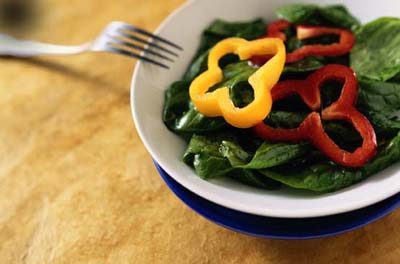
If you want to reduce intake without feeling deprived, try this: slow down. It sounds like a cliché, but the mechanics are simple. Your brain needs time to register fullness. If you shovel food in, you bypass the signal.
The 20-Minute Lag and Why Speed Eating Sabotages You
Your brain doesn’t know you’re full until your gut tells it to. There is a biological lag time—roughly twenty minutes—for satiety signals to travel from your stomach and intestines to your head. If you eat like you’re on a deadline, you pack away extra calories during that delay. By the time your brain finally registers fullness, you’ve likely polished off way more than you needed.
Slowing down isn’t just about discipline. It’s about biology. It gives those natural signals a chance to register so you can stop before overeating. It also lets you actually taste the food. Savory textures and distinct smells contribute heavily to satisfaction.
If you tend to inhale your meals, try these concrete techniques to break the cycle.
The Physical Tactics
Start with the utensil. Put it down after every bite. Most of us treat eating as a nonstop motion, racing the fork from plate to mouth. Instead, take a spoonful, set the spoon aside beside your plate, chew, swallow, then pick up the spoon again. It feels awkward at first. Tedious, even. You’ll be surprised how quickly fullness kicks in.
Swallow before you load the next bite. Many people are busy scooping food while their mouth is still chewing the previous mouthful. Don’t do that.
If you’re eating handheld foods—pizza, sandwiches, bagels, cookies—put the rest of the food down after one bite. Chew. Then pick it up again. It sounds simple, but it breaks the momentum of mindless consumption.
Sit down. A lot of people don’t count calories when they are standing up or walking around. Sitting helps you relax and focus. It signals to your body that this is a meal, not fueling.
Use chopsticks for every cuisine. They automatically slow your rate of eating. If you’re already proficient, use them in your non-dominant hand. This adds a layer of difficulty that forces mindfulness. Plus, the sauce drips through the cracks, staying on the plate where it belongs rather than coating every bite in excess fat.
Setting the Scene
Environment matters. Play slow, soft background music. Studies show people eat more slowly when the soundtrack is chill.
Dine in courses rather than family style. When all the food is on the table at once, it’s tempting to graze. Serving meal by meal imposes a natural pause.
Time your meals. Use a watch or kitchen timer until you get used to the slower pace. Take a brief break once or twice. Talk. Sip a beverage. Fold your hands in your lap. Step away from the act of eating for sixty seconds.
Turn off the TV. Take the phone off the hook. Do nothing but eat. If you’re distracted by screens or conversations, you miss the cues of how fast you are eating and how much is gone.
The Mental Game
Relax before you start. If you’re upset about a work problem or the kids are fighting, don’t eat yet. Do some deep breathing. Read the paper. Settle down first. Then start eating at a leisurely pace. Stress eating is real, and it usually involves speed.
Treat it as an event. Savor each bite of tuna salad on fresh leafy greens. Don’t wolf it out of the can. Mealtime should be pleasurable, not just a logistical necessity.
Be creative. Develop your own tricks. Maybe it’s counting chews. Maybe it’s switching hands. The goal is to disrupt the autopilot mode.
Building Your Support Network
A good support group can help you succeed in just about any endeavor. Weight loss is no exception. You don’t have to do this alone. Learning how to gather a good team around you changes the dynamic. It turns isolation into accountability.
The next section covers how to build that team effectively.
This information is solely for informational purposes. IT IS NOT INTENDED TO PROVIDE MEDICAL ADVICE. Neither the Editors of Consumer Guide (R), Publications International, Ltd., the author nor publisher take responsibility for any possible consequences from any treatment, procedure, exercise, dietary modification, action or application of medication which results from reading or following the information contained in this information. The publication of this information does not constitute the practice of medicine, and this information does not replace the advice of your physician or other health care provider. Before undertaking any course of treatment, the reader must seek the advice of their physician or other health care provider.
Stop Guessing, Start Asking for Help
Let’s be honest: willpower is a finite resource. Trying to shed pounds in isolation is like trying to swim upstream alone. You can do it, but you’ll exhaust yourself before you reach the bank. The smarter move? Build a crew. A support group isn’t just about sharing sad stories about missed workouts; it’s about creating a safety net that catches you when you slip.
But here’s the catch. Most people have friends and family, but they don’t have support systems. There’s a difference. One is a casual acquaintance who nods when you mention your diet. The other is someone who actively helps you protect your goals. You need to build the latter. It starts with a ruthless audit of your current circle.
Map Your Allies and Saboteurs
You already know who they are. They’re the people who hand you a beer before you’ve even had dinner. They’re the coworkers who bring donuts every Friday and ask, “Are you sure you don’t want a bite?” They’re the relatives who interpret “I’m full” as a personal insult.
Identify your saboteurs. Don’t romanticize them. If Jane pushes food on you, she’s not being loving; she’s being obstructive. Spend less time with the food-pushers and drinking buddies. Seek out the people who will walk with you. Look for the friends who suggest hikes over happy hour. These are your allies. Keep them close.
Be Specific About How They Can Help
People are not mind readers. If you want support, you have to articulate exactly what that looks like. “Be supportive” is useless advice. It’s too vague. It leaves your allies guessing, and usually, they guess wrong. They’ll offer you a cookie because they think it’s the kindest thing to do.
Instead, give clear, actionable instructions. Break it down into three areas: encouragement, environment, and distraction.
For daily encouragement:
– Ask them to praise the behavior, not the number on the scale. Did you eat slowly? Did you swap soda for water? Say something. Weight loss is slow and frustrating; positive habits are immediate wins.
– Request zero criticism if you mess up. One bad meal doesn’t ruin the plan. Judgment just makes you hide it.
– Ask for collaborative problem-solving when you’re struggling. “I’m having a hard time with snacks. Can we brainstorm solutions?” is a powerful request.
– Invite them to move with you. Replace the eating ritual with an activity. Walk. Dance. Lift.
To reduce food exposure:
– Ask them to stop offering you food. Period. Assure them you will ask if you want something.
– Request that they avoid eating your “problem foods” in front of you. This isn’t petty; it’s self-preservation.
– Ask them to clear the table immediately after meals. Out of sight, out of mind.
– Suggest storing snacks in opaque containers or high cupboards. Visual cues trigger cravings.
To reduce the importance of food:
– Minimize “food talk.” You don’t need to discuss every meal.
– Ask them to show affection through hugs, words, or time—not through feeding.
– Invite yourself to activities that don’t revolve around eating. Movies. Plays. Sporting events.
– Ask them to entertain with lower-fat options if you’re hosting.
The Two-Way Street of Support
When someone does help you, don’t just mumble “thanks.” Be specific. Say, “Thanks for not buying the ice cream. It really helps that it’s not in the house.” Specificity reinforces the behavior. It tells them exactly what worked.
And remember, support is reciprocal. Ask what you can do for them. Helping is a two-way street. If you only take, you become a burden, not a partner.
Losing weight is hard. It takes grit. But you don’t have to carry the weight alone. By putting yourself in the best possible position for success, you change the game. The rest is just showing up.
Note: This information is for educational purposes only and does not constitute medical advice. Always consult with a physician or qualified health care provider before beginning any weight loss program, dietary change, or exercise regimen.